

There is a particular kind of silence inside an unidentified photograph.
Key facts
- FOLKLY is a Canadian heritage preservation pilot that has been in development since early 2024.
- It is looking for Alberta museums, archives, historical societies and private collectors as pilot partners.
- Authorized reviewers decide what is accurate and what gets published.
- It is designed to work beside collection tools such as AtoM or PastPerfect.
- Public suggestions enter a moderated review and do not change the record automatically.
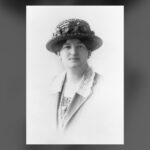
The building may still be recognizable. The clothing may place the image somewhere in the early twentieth century. A faded sign might offer half a clue. But the names are gone, the date is uncertain and the person who once knew the story may no longer be here to tell it.
The photograph still exists. Its meaning is disappearing.
That is the problem FOLKLY, a heritage preservation pilot project, wants to help Alberta’s heritage community confront. The project is looking for museums, historical societies, archives, heritage organizations and people with significant personal collections to help test a practical system for preserving, connecting and sharing local history.
The premise is simple. Alberta needs better ways to connect an object to its source, a photograph to a place, a map to a community and a record to the people who can explain it, more than it needs another website filled with disconnected scans.
Alberta’s history is already scattered
Some of Alberta’s most valuable historical records are held far from large institutions.
They sit in small museums operated by volunteers. They live in historical society filing cabinets, municipal archives, family albums and private collections assembled over decades. They include railway documents, farm journals, business ledgers, military papers, oral histories, maps, photographs and records from towns that have changed beyond recognition or vanished entirely.
Much of this material has been cared for with extraordinary commitment. Yet care and public access are different problems.
A museum may have scanned hundreds of photographs without having the time to identify every person in them. A local archive may have years of catalogue work stored in spreadsheets that do not appear in a public search. A family may hold documented material of real community value but have no practical way to preserve its context or let researchers know it exists.
The result is an Alberta history problem hiding in plain sight. The records remain physically present, but the connections around them are thinning.
Project contributors have seen that risk firsthand while visiting small Alberta communities and recovering historical material that was close to being discarded.
For the project team, preservation also has to extend beyond cataloguing. Historical material must reach people through the storytelling formats they use now.
Scanning alone does not preserve a story
Digitization is important. It is also only one part of preservation.
The federal Canadian Heritage Information Network treats planning, selection, metadata, storage and monitoring as separate parts of digital preservation. Its guidance also recognizes that smaller museums often lack the money and staff needed to implement the archival systems commonly described as best practice. Those institutions still hold digital material that needs long-term care.
A high-resolution scan without a name, date, source or rights record is a sharper mystery. A digital collection saved on one external drive remains vulnerable. A database the public cannot search may protect a record while leaving its story functionally hidden.
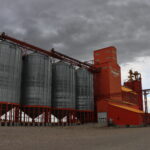
Alberta already has strong examples of technology serving heritage preservation. The University of Calgary’s digital heritage work uses terrestrial laser scanning and aerial photogrammetry to document threatened sites and make digital records accessible. Its archive includes the Markinch grain elevator and the Canadian Grain Elevator Discovery Centre in Nanton.
FOLKLY is aimed at another part of the same challenge: helping people find and understand the approved records held across separate collections.
What FOLKLY is building
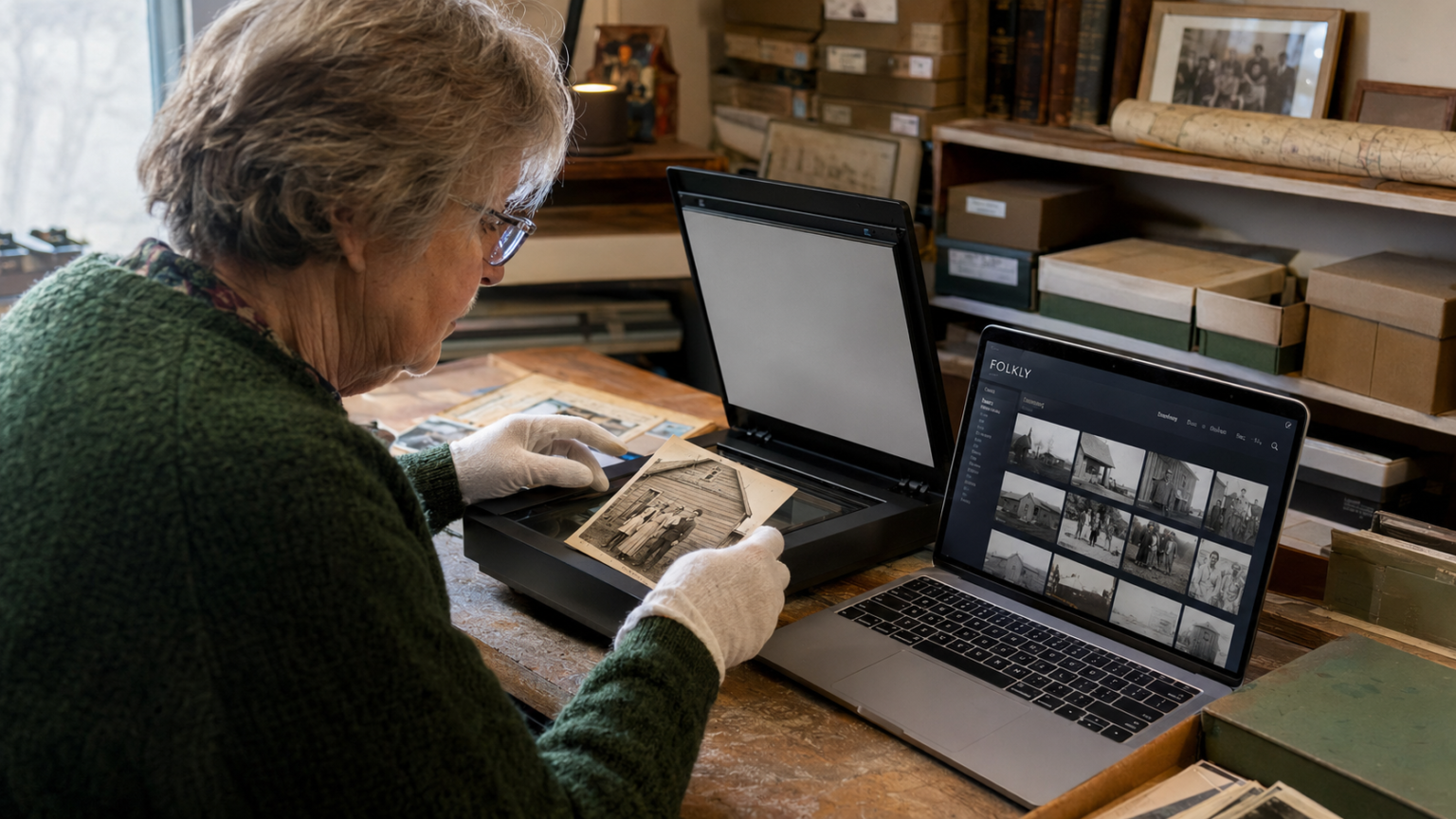
FOLKLY has been in development since early 2024 as a Canadian heritage preservation pilot. Its first phase is designed around a manageable sample of photographs, documents, audio files, collection records or spreadsheet data supplied by a participating heritage organization.
The proposed workflow can assist with optical character recognition, transcription, plain-language descriptions, translation, suggested subjects and connections between related items. Approved records could then appear through public collection pages, keyword and concept-based search, and an “Ask the Archive” feature that points people back to the source material.
Human review sits at the centre of the model.
Software may suggest a date or read handwriting, but an authorized reviewer decides what is accurate and what gets published. Original identifiers and source details stay connected to the item. Uncertainty remains visible instead of being converted into a confident answer.
That distinction matters. Artificial intelligence can help organize historical evidence. It cannot become the authority that rewrites it.
FOLKLY is also being designed to work beside established collection tools such as AtoM or PastPerfect. A local organization should not have to discard years of catalogue work or surrender control of its records to take part. The project’s stated aim is to create a more accessible public layer from information the custodian has reviewed and approved.
Why the pilot needs Alberta partners
Heritage technology built without heritage organizations will solve the wrong problems.
A volunteer-run museum knows where digitization slows down. An archivist knows which metadata cannot be guessed. A historical society knows how often the key fact about a photograph comes from a resident who recognizes a face. A private collector knows that provenance may be spread across receipts, handwritten notes and family correspondence.
FOLKLY is looking for Alberta partners willing to test those real conditions.
Potential partners include:
- Local and regional museums
- Historical and genealogical societies
- Municipal, community and institutional archives
- Heritage boards and preservation groups
- Grain elevator, railway, agricultural and industrial heritage organizations
- Libraries and community history projects
- Families and private collectors with documented archives
- Organizations holding photographs, maps, recordings, ledgers or other local records
The best pilot partner does not need a polished digital archive. A collection held in spreadsheets, folders or paper records may reveal more about the real problem than a fully modernized institution could. FOLKLY is particularly interested in material whose context still lives with longtime staff, volunteers, collectors or aging community members. Recording that knowledge now could prevent future collections from becoming boxes of unidentified material.
Partners can help test how records are imported, reviewed, corrected, searched and presented. They can also shape practical questions around ownership, attribution, permissions, volunteer capacity and long-term care.
Alberta’s history can remain with the museums, archives, families and organizations that care for it. Local custodians should retain authority over their collections within a model built around distributed ownership, local judgment and connected public discovery.
The public has a role too
The most useful historical fact may never appear in the original catalogue.
A former railway worker may recognize a siding. A longtime resident may remember which business occupied a storefront. A family member may identify a person who has remained unnamed for 80 years.
FOLKLY’s proposed model allows public contributions to enter a moderated review process. A suggestion would not automatically alter the archival record. It would give the custodian a lead to assess, document and approve.
That creates a better relationship between an archive and its community. People stop being passive viewers of old material and become sources of knowledge, while the museum or archive keeps editorial control.
Alberta can preserve more than objects
This pilot matters because history rarely disappears in one dramatic moment.
First, a photograph loses its names. Then a map loses its provenance. A recording remains trapped in an obsolete format. A grain elevator comes down. The person who could connect all four is gone.
What remains may still be valuable, but part of its meaning has been severed.
FOLKLY cannot preserve every building or recover every missing name. It can test a better way to keep records, sources, places and public knowledge connected, then use modern storytelling to bring that material back into public view. That work should be shaped with the people already protecting Alberta’s history, including the small organizations and private custodians whose collections are easiest to overlook.
Alberta’s past does not need to be removed from its communities to be preserved. It needs to remain locally controlled, properly sourced and far easier to find.
Museums, archives, historical societies, heritage groups and private collection holders interested in becoming a FOLKLY pilot or community partner can contact the team through the site contact page.
About FOLKLY
FOLKLY is a Canadian heritage preservation pilot. The project is testing review-first tools that can help museums, archives, historical societies and collection holders digitize records, improve public search and connect related material while keeping human judgment and local authority in place.
Members of the project team are quoted sources in this partner feature. Project details and first-person observations were supplied by the FOLKLY team and edited for publication by Alberta Tribune.
Frequently asked questions
What is FOLKLY?
FOLKLY is a Canadian digital heritage pilot. It is testing tools that help museums, archives, historical societies and private collection holders digitize, connect, review and share approved historical records.
How can FOLKLY help preserve Alberta history?
FOLKLY can assist with transcription, optical character recognition, descriptions, translation, record connections and public search. Authorized people review and approve information before publication.
Is FOLKLY replacing museum collection software?
No. FOLKLY is being designed to work alongside collection systems, spreadsheets and existing records. The local museum, archive or collection holder retains authority over the source material and published information.
Who can become a FOLKLY pilot partner in Alberta?
Potential partners include museums, historical societies, archives, heritage organizations, libraries, community projects, families and private collectors with documented local-history material.
How can an Alberta heritage organization contact FOLKLY?
Interested organizations and collection holders can contact the FOLKLY team through the site’s contact page.
Related from Alberta Tribune: Canadian Business AI Use Tripled to 19.2% While Most Firms Sat Out · The Grain Elevator Alberta Saved Because It Photographed Well · Rural Alberta Wants Real Answers Before Meta’s Data Centre