

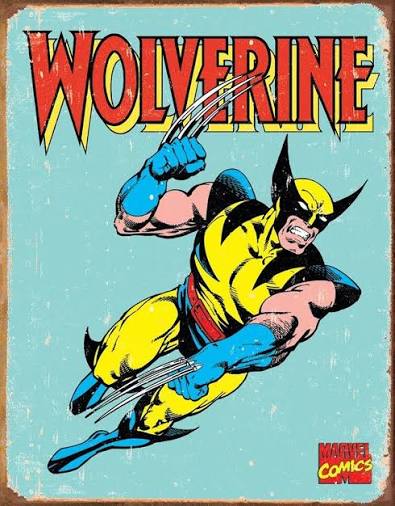
In January 1977 an artist who had grown up in Edmonton and Calgary drew a short scene featuring a Canadian character in a comic called Marvel Team-Up. It was a minor appearance in a minor issue. Within eleven months he was the regular penciller on X-Men, and the character in that scene was on his way to becoming one of the most recognizable figures in popular culture.
The artist was John Byrne. The character was Wolverine.
Key facts
- John Byrne drew a Canadian character in Marvel Team-Up in January 1977 and was the regular penciller on X-Men within eleven months.
- Wolverine first appeared in 1974, three years before Byrne drew him, so Byrne did not create the character.
- Byrne was born in England, raised in Alberta, went to school in Edmonton and Calgary and studied at the Alberta College of Art, now Alberta University of the Arts.
- Byrne drew Wolverine through his X-Men run, which began in 1977.
He did not create him and that is the interesting part
Wolverine first appeared in 1974, three years before Byrne drew him. Anybody claiming otherwise is overstating it, and the record is clear.
What Byrne did was different. He drew the character through his X-Men run, and the feral, short-fused figure that run produced is the one most readers picture today.
Wolverine first appeared in 1974, and his Canadian origin was part of the character from the start. What Byrne added was years of steady work on the page, which is how a minor character becomes a lead.
Where the training happened
Byrne was born in England and raised in Alberta. He went to school in Edmonton and Calgary, studied at the Alberta College of Art, and did some of his earliest published comic work in this province before New York knew his name.
One of the defining X-Men artists of the late seventies learned his craft at an art school in Calgary.
Alberta has an old habit of producing people who go somewhere else and reshape an industry without anyone here noticing, then get claimed by wherever they landed. It happened in film, it happened in music, and it happened here.
The economics underneath the trivia
There is a serious point buried in this. An art college in Calgary trained somebody who went on to shape an intellectual property with a large commercial footprint in film, merchandise and publishing, and little of that value came back to Alberta.
That is not a grievance about one artist. It is the standard outcome when a jurisdiction builds excellent training and has nowhere for the graduates to work. The talent leaves, the value accrues elsewhere, and the province gets a fact for a trivia night.
It is also a solved problem when somebody bothers to solve it. Alberta’s film industry exists today because the province decided to build the conditions for it, and a Calgary filmmaker picking up nine nominations in a single year is what that investment looks like on the other end. Smallville was shot on the prairies here for the same reason.
Claim it properly
Alberta is generally bad at claiming its cultural exports. The province will put a sign on a highway for a dinosaur or a giant perogy and say nothing at all about the man who spent his teenage years drawing in Calgary and ended up defining how a global character looks.
Every film that opens with those claws is downstream, in some part, of an art school on the prairie and a young man with strong opinions about a Canadian character nobody else was pushing for.
Worth knowing where the training happened.
Related from Alberta Tribune: The Track Will Not Be the Same Without Tom Glass