


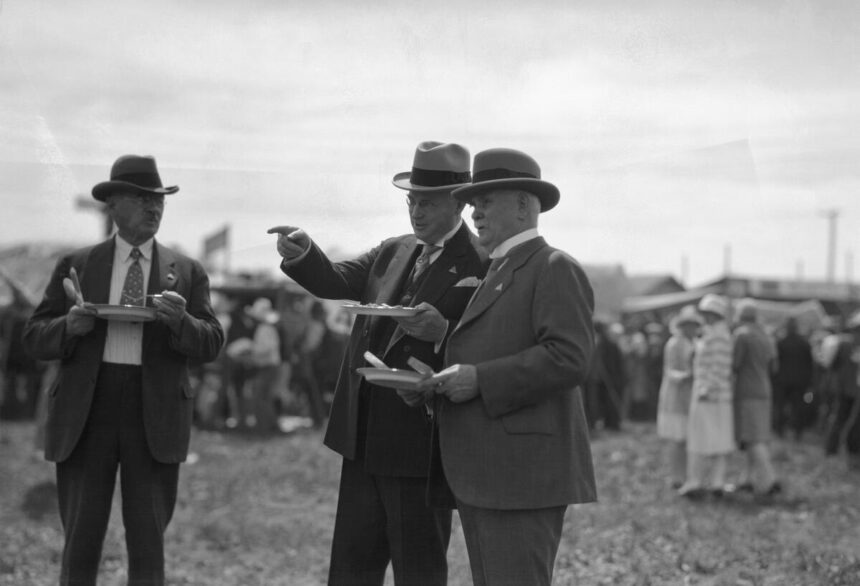
The man who bankrolled the first Calgary Stampede once walked more than 100 miles to claim a homestead, because he could not afford a horse to ride there.
Patrick Burns was born to Irish immigrant parents in Ontario in 1856 and came west in 1878 carrying next to nothing. What he had instead was a talent that would define his whole life. He could turn any situation, however unfair, into a transaction that moved him forward.
Two old oxen and a lesson
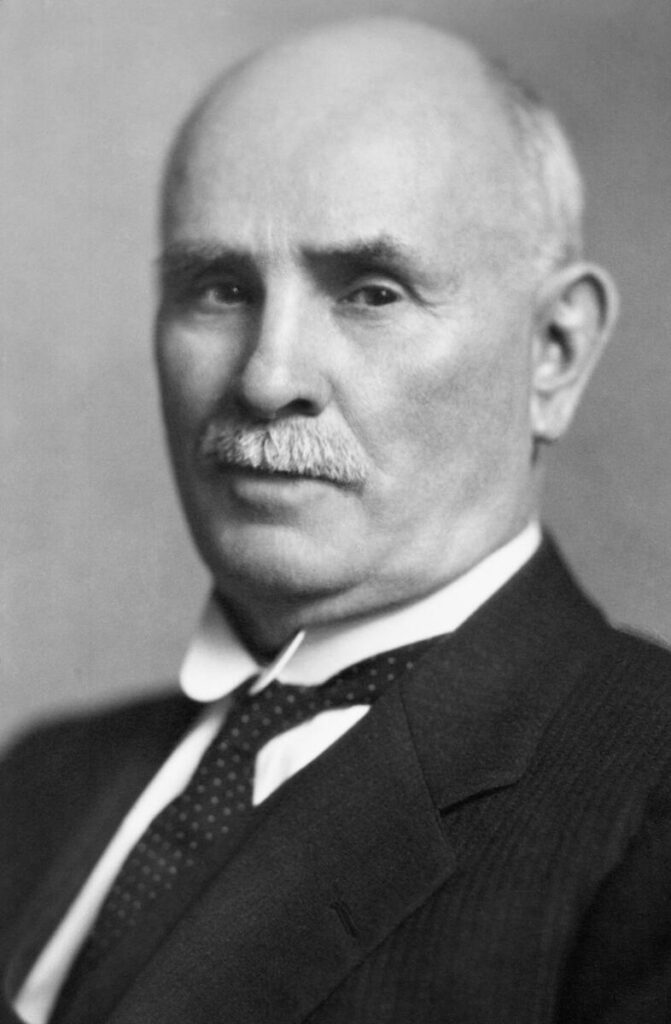
The founding story of the Burns fortune is almost a parable. A winter of felling trees was supposed to pay $100. The employer paid in two old oxen instead. A different man files a grievance. Burns butchered the oxen, sold the meat piece by piece, and turned $70 worth of livestock into $144. He had discovered his business model at the bottom of a raw deal. Buy the animal, sell the meal, keep the margin. He never really stopped.
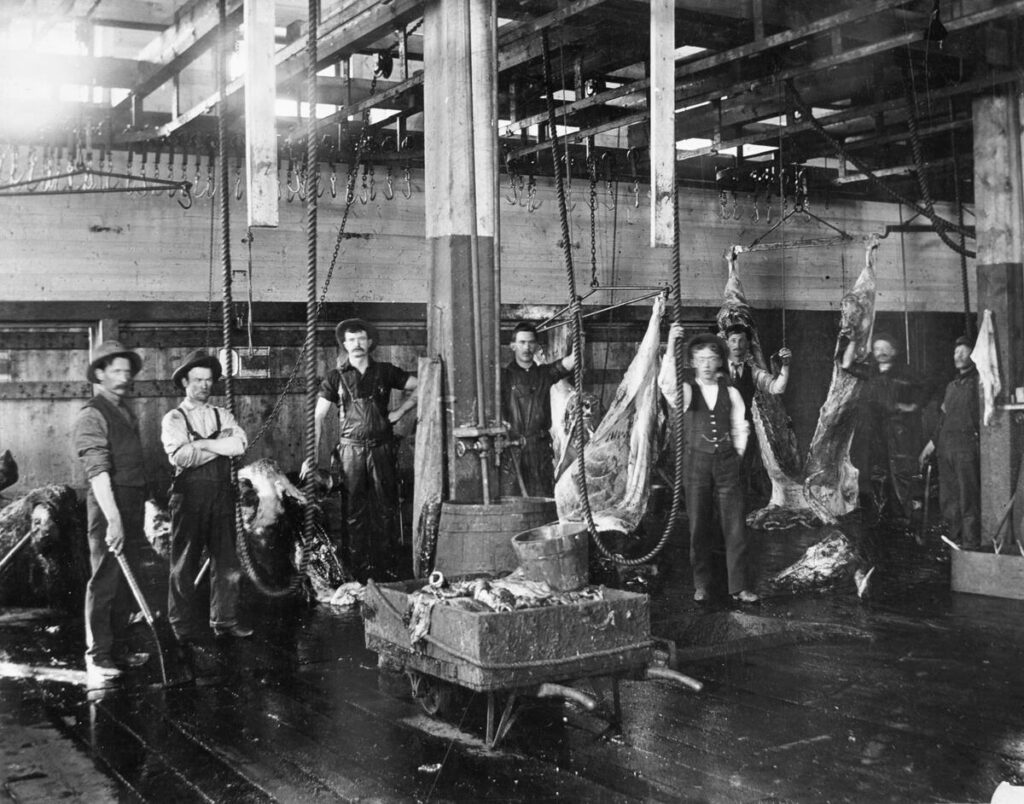
By 1890 he had built his first slaughterhouse on the Elbow River in Calgary, feeding railway crews pushing steel through the mountains. The operation grew with the country. At its peak, his ranch land was said to stretch from Cochrane to the American border, close to 700,000 acres. Roughly the size of Luxembourg, run from a sandstone office in Calgary.
The Big Four wager
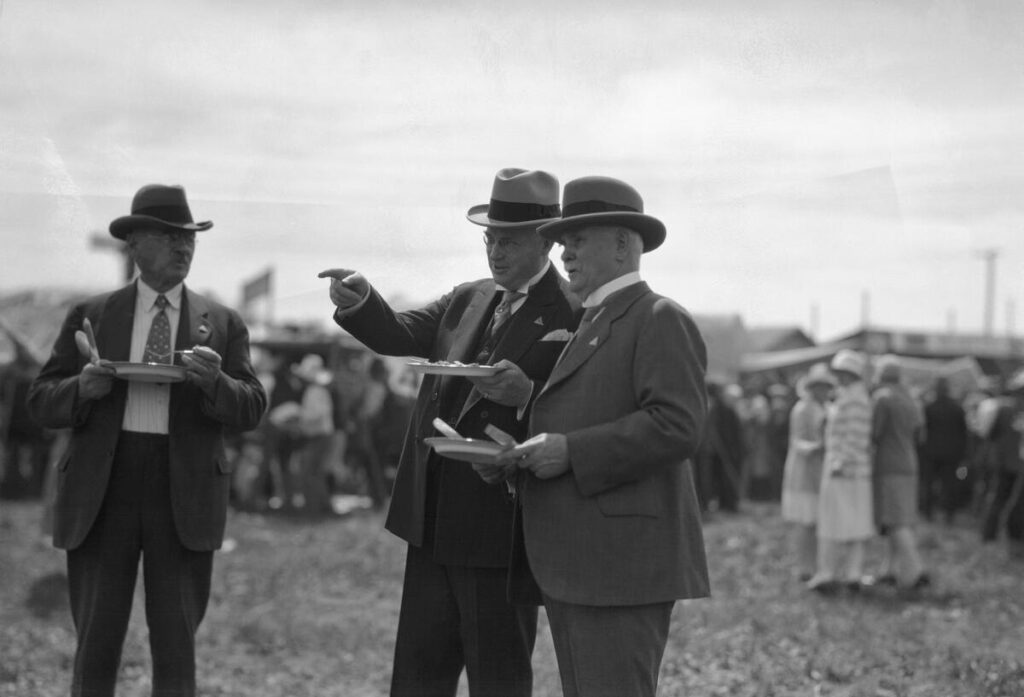
In 1912, Burns joined three fellow cattlemen, each a giant of the range in his own right, to put up $100,000 for an unproven frontier celebration pitched by a fast talking trick roper named Guy Weadick. The Big Four expected to lose the money. They considered it a worthy funeral for a vanishing way of life. Instead they accidentally founded the institution that defines Calgary to this day.
There is something fitting in the fact that the Stampede’s founding capital came partly from a man who once could not scrape together the price of a saddle horse. No committee designs a symbol that good.
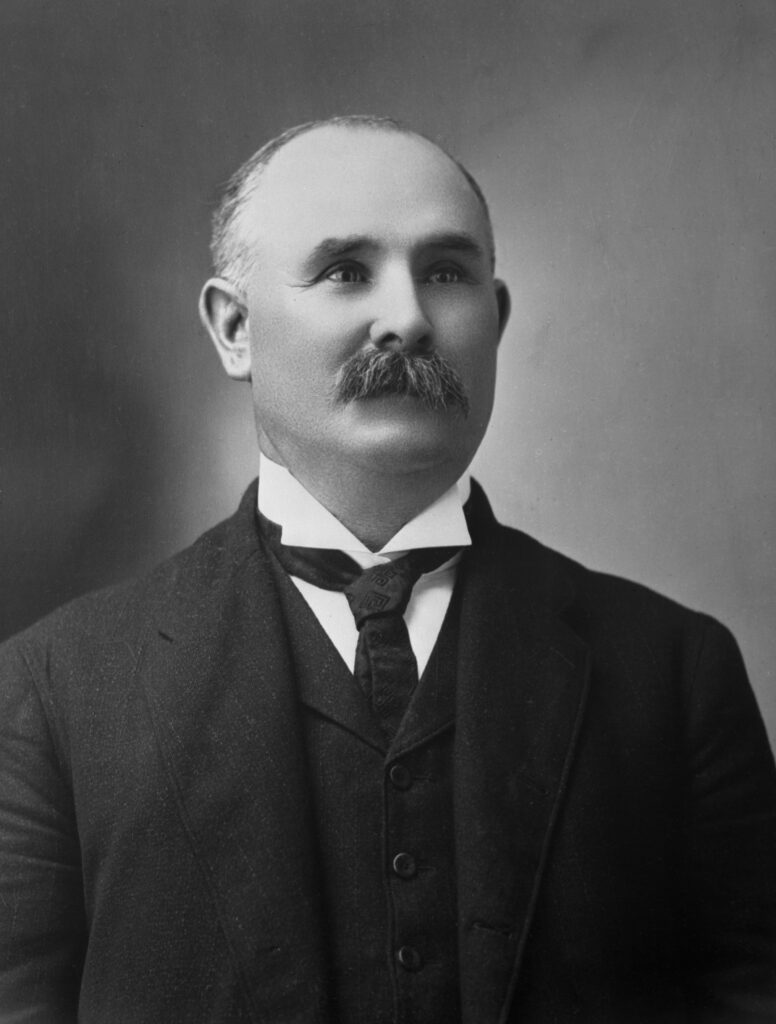
He never forgot empty pockets
The measure of Burns arrived in 1931, with the Depression grinding Calgary down and breadlines forming in a city built on confidence. Burns marked his 75th birthday that year the way he had lived, with open handed generosity, making sure food from his operations reached Calgarians who had nothing to celebrate with. The same year, he was summoned to the Senate of Canada, the immigrant labourer’s son seated among the country’s establishment.
Alberta likes to tell itself that this is a place where the start does not decide the finish. Burns is the proof text. He arrived on foot, was cheated of his first real wages, and answered by feeding half the West. The empire is long since sold and subdivided. The example still stands.
Which Alberta fortune story deserves to be taught in every classroom in the province?