

For much of the twentieth century, the Alberta Liquor Control Board was a steady and familiar presence in communities across our province. Known simply as the ALCB, it reflected a particular philosophy. Alcohol would be legal, but tightly controlled. Government would manage distribution, retail sales, and pricing in the name of order and public responsibility. For decades, that model defined how Albertans purchased liquor.
The ALCB was born out of the failure of Prohibition. When outright bans proved unrealistic, the province opted for control instead. Government stores were established. Prices were fixed. Product selection was limited and centrally approved. The system was designed to prioritize caution over consumer experience.
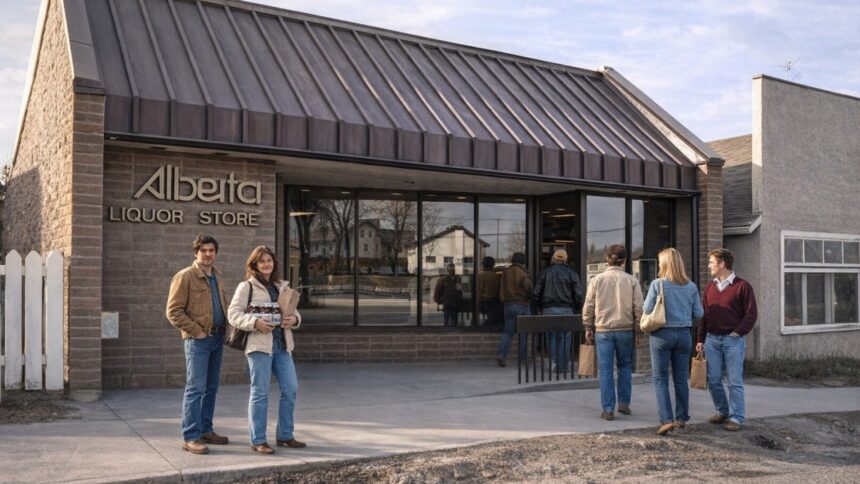
Walking into an ALCB store was predictable. The layout was practical. There was little emphasis on marketing or variety. You purchased what was available at the set price, and that was that. For employees, these stores provided stable public sector jobs with benefits and long term security. In many communities, the local liquor store was as routine as the post office.
Then came 1993. Alberta was in a period of fiscal restraint and structural reform. The provincial government made a decisive move to privatize liquor retailing. Within months, government run stores were closed or sold to private operators. The ALCB, as a retail entity, disappeared.
At the time, the decision was controversial. Critics worried about job losses and about increased availability of alcohol. Others believed government had no business running retail stores and that competition would ultimately serve consumers better.

More than three decades later, the results are clear. Prior to privatization, Alberta had only a few hundred government liquor stores. Today, there are thousands of privately operated outlets across the province. Access and convenience have expanded dramatically. Communities that once had limited options now enjoy multiple stores with extended hours.
Product selection has also grown enormously. Under the government model, choice was narrow and centrally controlled. In today’s private market, retailers compete on variety, bringing in thousands of different brands of wine, beer, and spirits from around the world. Consumers can find everything from small craft producers to premium international labels on local shelves.
Competition has also introduced pricing flexibility. Instead of uniform prices set by a central authority, retailers can compete for customers. Analysts from market oriented research organizations have pointed to Alberta as evidence that privatized liquor systems can expand consumer choice while maintaining government revenue through taxation and regulation. The province continues to collect substantial revenue without directly operating stores.
Of course, no system is perfect. Privatization meant the loss of some public sector jobs and the end of a standardized retail experience. Concerns about social impacts remain part of the broader conversation around alcohol policy. Greater availability requires responsible regulation and enforcement.
But it is hard to ignore the economic dynamism that followed the shift. Entrepreneurs entered the market. New businesses opened. Consumers gained convenience and variety that would have been unimaginable under the old model.
Remembering the ALCB is not about nostalgia or dismissal. It is about understanding how policy choices shape everyday life. The ALCB reflected an era when government control was seen as the safest path. Privatization reflected a different belief, that markets, competition, and consumer choice could deliver better outcomes.
Alberta chose to test that belief. Decades later, the transformation of our liquor retail system stands as one of the most significant examples of structural reform in our province’s modern history.