

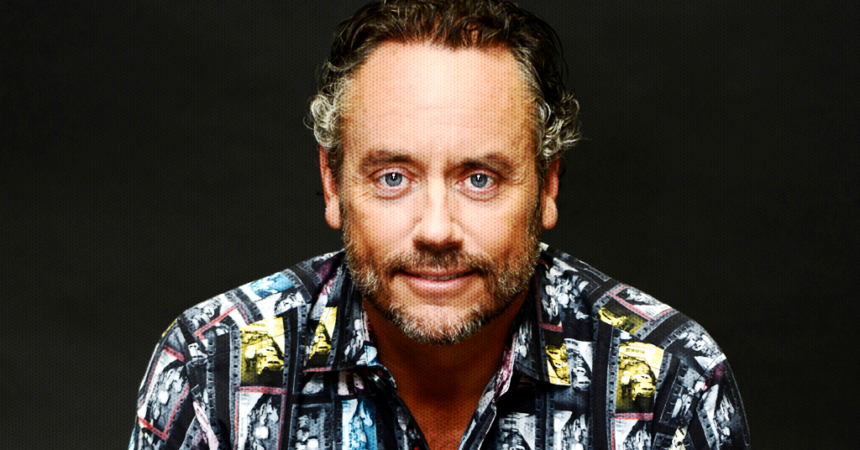
Calgary has no shortage of successful oil and gas dealmakers. It has far fewer who spent the back half of their career giving away what the first half built. W. Brett Wilson is one of the exceptions, and the case for paying attention to how he did it is worth more than another headline about his net worth.
Key facts
- W. Brett Wilson co-founded FirstEnergy Capital Corp in 1993 and chaired it until he stepped back in 2008.
- He was appointed to the Order of Canada in 2011 and received the Saskatchewan Order of Merit in 2012.
- He funded the Wilson Centre for Domestic Abuse Studies at the Calgary Counselling Centre.
- His 2012 memoir, Redefining Success, puts health and family on the same ledger as revenue.
A Career Built at FirstEnergy Capital
Wilson grew up in North Battleford, Saskatchewan, and trained as a civil engineer before spending three years at Imperial Oil. He picked up an MBA in entrepreneurship from the University of Calgary in 1985 and moved into investment banking at McLeod Young Weir. In 1993 he co-founded FirstEnergy Capital Corp with Rick Grafton, Jim Davidson and Murray Edwards, a Calgary energy investment firm that grew into one of the sector’s most respected names. Wilson chaired the company until he stepped back in 2008, by which point FirstEnergy had helped define how Calgary financed its energy sector for a generation.
He picked up a national profile a few years later as a panelist on Dragons’ Den for three seasons, then hosted the entrepreneurship series Risky Business after leaving the show in 2011. Neither credit is the reason people in Calgary’s charitable community know his name.
From Saskatchewan Farm Kid to Order of Canada
Wilson has said his approach to giving traces back to watching his parents volunteer in their Saskatchewan community, and later to Calgary businessman Doc Seaman, who modelled what serious philanthropy could look like once a career had paid off. That thinking earned Wilson an appointment to the Order of Canada in 2011, the Saskatchewan Order of Merit in 2012, and the Queen Elizabeth II Diamond Jubilee Medal the same year. The Governor General‘s citation credited him with what it called transformational philanthropy, a description that undersells how specific his giving has been.
Where the Money Actually Goes
Wilson funded the Wilson Centre for Domestic Abuse Studies at the Calgary Counselling Centre, a program aimed at research most donors avoid because it is neither glamorous nor easy to talk about at a gala. His name is also attached to Kids’ Cancer Care, Alzheimer’s research, the David Foster Foundation and Right to Play, a spread wide enough that no single cause defines him. In 2012 he published Redefining Success, a memoir that argued health, family and real relationships belong in the same column as revenue when a person tallies up what a career actually earned them.
That argument is easy to make and hard to live. Wilson’s record, three decades building an energy finance firm followed by two more decades directing serious money at causes that do not generate press releases on their own, is closer to evidence than to a talking point.
Why This Story Matters
Alberta’s business class gets painted, as a monolith of extraction and self-interest. Wilson’s career does not fit that caricature, and neither do most of the founders and executives who fund the province’s hospitals, shelters and research chairs without putting their name on the building. Wilson isn’t unusual. He’s one example of a pattern Alberta rarely gets credit for outside its own borders, a business culture where giving back is a normal extension of doing well and nobody treats it as a public relations afterthought.
Plenty of Alberta success stories still have a giving-back half that nobody has told.