
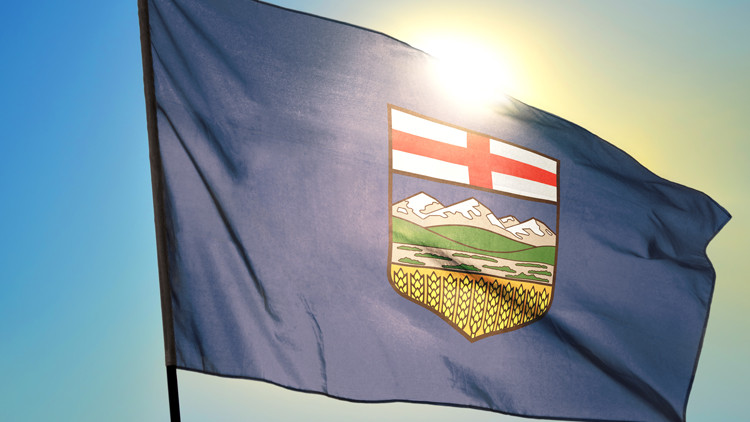
Alberta wrote its budget around a number that already looks dated. The province planned for West Texas crude to average about US$60 a barrel and braced for a deficit of $9.4 billion. Then oil did what it does. A conflict in the Middle East rattled supply, and oil traded well north of that cautious assumption for weeks. The result is a fiscal cushion the budget never counted on. What Alberta does with it will say more about the government than any line in the budget did.
A Windfall Is Not a Plan
Higher prices flatter the books in a hurry. Royalties climb, the deficit shrinks, and the temptation to treat a one-time bounce as permanent income arrives right on schedule. Albertans have seen this before. Resource revenue is the most volatile money the province collects, and stacking ongoing spending on top of it is how a province ends up cutting hard the moment prices fall. A barrel above the budget line is good news and a poor substitute for a salary.
Two Temptations to Resist
The first temptation is to spend it. Every department has a list, every interest group has a case, and a surprise surplus has a way of disappearing into permanent commitments that outlast the price spike that funded them. The second temptation comes from the other direction, the push for a windfall tax on producers who happen to be profitable right now. It is an easy applause line and a poor policy. The companies generating this revenue are the same ones the province is counting on to finance the next pipeline and the next expansion. Punishing them for a good quarter tells every investor watching that Alberta rewrites the rules when the numbers turn green, the opposite of the message that years of lost investment should have taught.
What Discipline Looks Like
The boring, correct answer is to bank it. Restart deposits into the Heritage Savings Trust Fund, because a long-term savings target means nothing without years like this one. The full budget documents set out the province’s own plan. Pay down the deficit. Leave room to lower costs for families rather than expand the size of government. None of it makes a flashy announcement. All of it is how a province finally steps off the resource-revenue rollercoaster instead of riding it straight into the next downturn, the same discipline Albertans want to see in the equalization formula.
The Test in Front of the Government
A windfall is a test disguised as good fortune. Spend it, and the province looks responsible for exactly as long as oil cooperates. Save it, and Alberta builds the kind of cushion that makes the next price collapse survivable. The money showed up by accident. The decision about what to do with it will be entirely on purpose.