

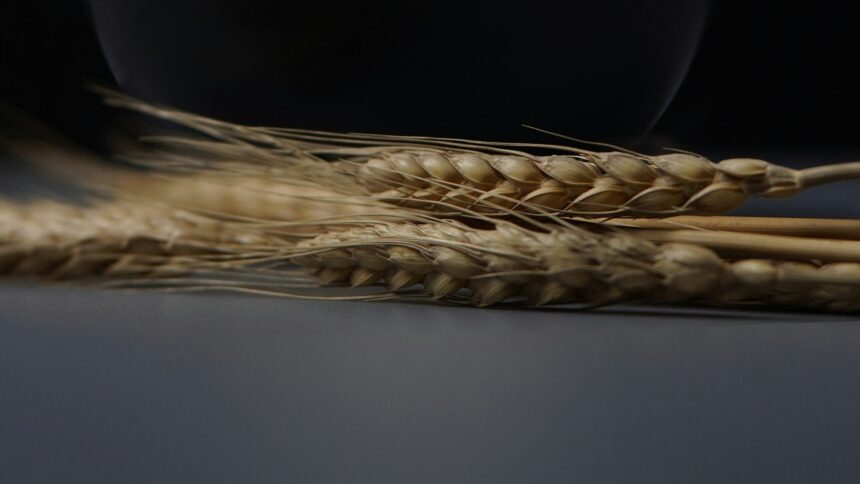
Most of what Alberta built in the 1920s is gone. A flour mill in Camrose is not. It opened in 1926, and three years later the people running it took wheat, rye and flax grown nearby, ground them together, and sold the result as a hot breakfast cereal called Sunny Boy. The recipe has not moved since. Sunny Boy Foods Ltd. says the ingredients and the milling procedures have stayed the same since the cereal started, which means the box on a shelf today is, in everything that matters, the box from 1929.
Nobody would choose 1929 to launch a breakfast brand. The choice got made anyway, by a mill three years old, in a town on the black soil east of Edmonton, and the thing outlived the decade that followed and every decade after it.
Key facts
- Sunny Boy Foods Ltd. states on its company website that the Camrose, Alberta mill was founded in 1926 and milled whole wheat flour using grain from farmers in the surrounding area.
- Sunny Boy Foods Ltd. states on its company website that Sunny Boy Cereal was established in 1929 in Camrose, Alberta, and that the ingredients and milling procedures have not changed since that date.
- Sunny Boy Original Hot Cereal is made from non-GMO wheat, rye and flax, according to the product listing published by Sunny Boy Foods Ltd. on its company website.
- Sunny Boy Foods Ltd. states on its company website that it aims to source all grain from local farmers ideally within 100 miles of the Camrose mill, which is about 160 km by Alberta Tribune’s own conversion.
- Sunny Boy Foods Ltd. states on its company website that grain selection, cleaning, sorting and packaging all take place at the single Camrose site, roughly one hour from the company head office in Edmonton.
What a 160 kilometre buying radius costs a mill
The company says it tries to buy grain ideally within 100 miles of our mill. Call that 160 km. The conversion is ours, not theirs, and the number carries more weight than it looks.
A mill on its own sells a commodity. Flour is flour, priced by grade and moisture, and the buyer does not care whose rollers ground it. Putting a name on a box changes that arithmetic, because a name can be asked for by a shopper who has never thought about grades. That is what the three years between 1926 and 1929 bought. A mill turned itself into something a customer could name, using the same grain it was already cleaning, in the same building.
A miller who draws a circle on a map has fewer farmers to deal with than a miller who buys wherever grain is cheapest that week. Fewer sellers means less bargaining room. It means taking a bad crop year on the chin when the bad crop year happens to fall inside the circle. Most large processors in this country spent the last forty years solving that problem by buying from anywhere and milling somewhere central, because that is the cheaper way to do it. The mill at Camrose did not solve it. The mill at Camrose accepted it.
There is a habit of mind that treats a town like Camrose as a place where things end up rather than a place where things get decided. The grain goes out, the decisions come in, and the people in between get described as a way of life rather than an economy. I have listened to that description most of my life. It is delivered kindly, which is the part that grates. A mill that buys its wheat from the farm down the road is running a supply chain, on purpose, with money behind the decision, and calling that heritage is a way of not having to take it seriously.
What an unchanged recipe proves about Alberta
Ninety-seven years separate the first box from this one, by our count. In that time the category around it has been remade several times over, by instant oats, by protein powders, by whatever sits on the end cap this month. The formula stayed put. Wheat, rye, flax, milled in the town where the recipe started. The plainest way to read that is as a standing bet, renewed every year somebody signs off on another season of doing it the expensive way.
Local has turned into a label shoppers pay extra to read. A radius is a harder thing than a label, because a radius binds in the years it hurts. The test of one is a poor harvest inside the circle, when the cheap grain is sitting two provinces over and the only thing holding a buyer back is a decision he made in a better year.
The bet is about Albertans. Grain can be bought anywhere and equipment can be built anywhere, so neither of those is what is being wagered. What is being wagered is the judgment that people here will keep reaching for a plain box with no claim on the front beyond what is inside it. That judgment costs money each year it is acted on. It gets acted on anyway by a company that could mill cheaper somewhere else and sell something with a better story attached.
Evidence is what people do. Statements about loving rural Alberta cost nothing and arrive by the truckload from every direction, and they are worth exactly what they cost to produce. A ninety-seven year old recipe, milled in the town it started in, from grain grown inside a 160 km circle, belongs to a different class of claim, because somebody had to pay for it and then keep paying for it after the accountant explained what it was costing. That is the test worth applying to anyone who says this province matters to them. Show the invoice. Show the thing given up to keep the operation near the people who supply it, and the number of years it went on being given up. The mill in Camrose has an answer. Most of the people who talk about rural Alberta have never been asked.
A place is worth what somebody will pay to stay.