

Drive south on Macleod Trail toward Chinook Centre and you are crossing what was once a farm, a 400 acre spread that ran from roughly where the mall sits down to Heritage Drive, between Macleod and Elbow, worked by a man who landed in this city in 1910 with nothing and left it holding thousands of acres.
Key facts
- Harnam Singh Hari resigned from the Indian Army in 1908, reached Calgary in 1910 and took work at the Eau Claire Lumber Company at about 10 cents an hour.
- At his peak he held more than 5,000 acres of farmland, and he sold the hog operation to developers in 1956.
- The City of Calgary opened Singh Hari Park at 717 80 Avenue SW in 2014.
- Six generations of his family have lived in Calgary, and descendants still farm near High River.
Ten Cents an Hour and a Hundred Pound Bag
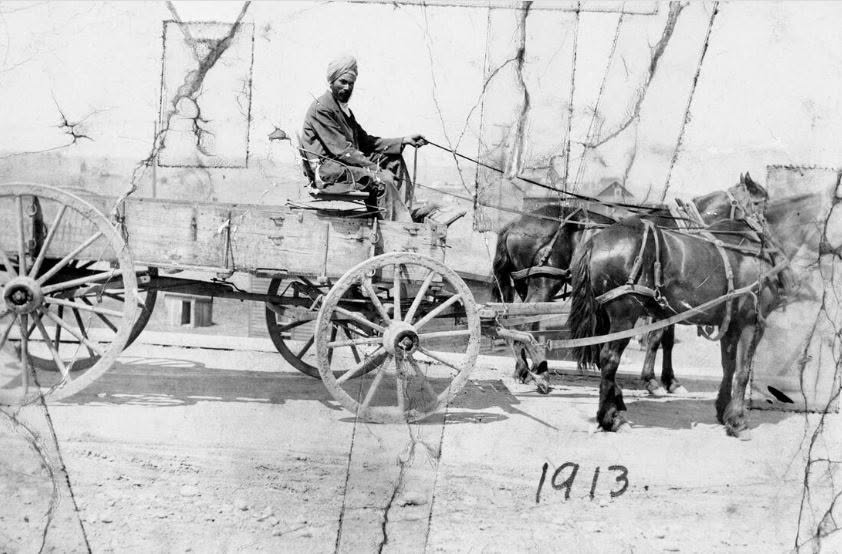
Harnam Singh Hari was an Indian Army veteran from Punjab who resigned his commission in 1908 and came to Canada at 27, presenting his discharge papers to an immigration inspector on arrival. He reached Calgary in 1910 and took work at the Eau Claire Lumber Company. The story that follows him is a hiring test he passed by hauling two hundred pound cement bags at once when other men could manage one. Early wages ran about 10 cents an hour.
He rented a small farm near Nose Creek first, around what is now Edmonton Trail and 30 Avenue NE, and bought a horse and wagon. Within two years he had purchased acreage south of the city limits, in the district that would become Kingsland.
From Five Acres to Five Thousand
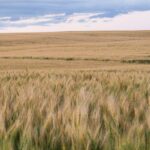
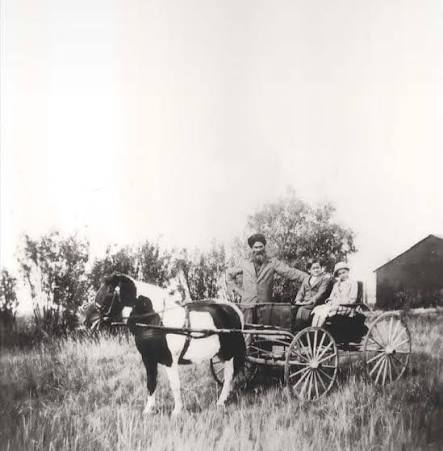
What he built there was a serious livestock operation, cattle and hogs, developed with guidance from a local auctioneer who evidently saw what he was working with. It grew. At its peak Singh Hari held more than 5,000 acres of Alberta farmland, with additional holdings around De Winton and reportedly out toward Bow Island. By the time he sold the hog operation to developers in 1956, as Calgary pushed south and swallowed the fields, he ranked among the wealthiest people in the city.
That climb would stand out in any era. He made it with a language barrier and no capital. He was among the first Sikh settlers in this province.
What He Did With It
The land is not the part his family and the historical record dwell on. Singh Hari was known for giving, donating to causes and putting food in front of people who needed it during years when a lot of Calgarians did. That reputation outlasted the acreage.
In 2014, nearly six decades after the Kingsland sale, the City of Calgary opened Singh Hari Park at 717 80 Avenue SW, on ground connected to the first farm he ever bought. Six generations of the family have now lived in this city. Descendants still farm near High River.
The Alberta Story Nobody Taught You
This province tells itself a story about what it takes to make it here, and the story is mostly true. Show up, work, build something, look after your neighbours. Singh Hari’s life fits that template so exactly it could be the template, and almost nobody driving past Chinook Centre has heard of him.
Alberta was built by people who came from somewhere else and decided this was worth the effort, the same pattern that runs through every generation of newcomers who stayed. Some of them came from Ontario and some from Ukraine and one of them came from Punjab with an army discharge in his pocket and turned 10 cents an hour into 5,000 acres. His name is on a park now. It ought to be on more than that.