


The Leavings at Willow Creek, also known as the Oxley Ranch, is a historic site near Claresholm that sat on the Fort Macleod to Calgary trail. The Canadian Register of Historic Places says the buildings date from roughly 1875 to 1882 and the name refers to a spot where the trail left water and wood for travellers.
A stopping house on the trail
In the late 1870s Henry Kountz ran a stopping house at the site. Freight and travellers on the trail needed a place to rest and water animals, and the Leavings provided one.
A ranch headquarters and a police outpost
In 1882 the New Oxley Ranch leased 200,000 acres. J.R. Craig bought the stopping house, and by 1885 the ranch headquarters had moved to the site. A post office opened in 1884. From 1886 to 1903 the North West Mounted Police used the site as an outpost for patrols in the Porcupine Hills, until the garrison moved to Claresholm after the railway reduced traffic on the trail. The grazing lease ended in 1906 and the land became a homestead.
What survives
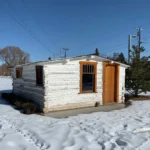
The designated area of about 30 hectares includes a log house, a log and sandstone barn, a log stable, a well, cart trails and archaeological remains. Alberta designated it a Provincial Historic Resource on November 17, 2006. The register calls it one of the region’s oldest surviving structures.
A chain of unglamorous stops
Every layer of transportation in this province, from trail to railway to highway, has depended on practical stops where people could rest, resupply and carry on. The Leavings is a surviving example of the earliest layer.
Correction. An earlier version said nothing is visible at the site and placed a Mounted Police presence there from 1875. The register lists standing buildings and dates the police outpost from 1886 to 1903.
Related reading from the series. Fort Macleod and the first NWMP outpost in southern Alberta. Fort Whoop-Up and the whisky trade that brought the Mounties to Alberta.