

Alberta solitude and the long memory of public lands
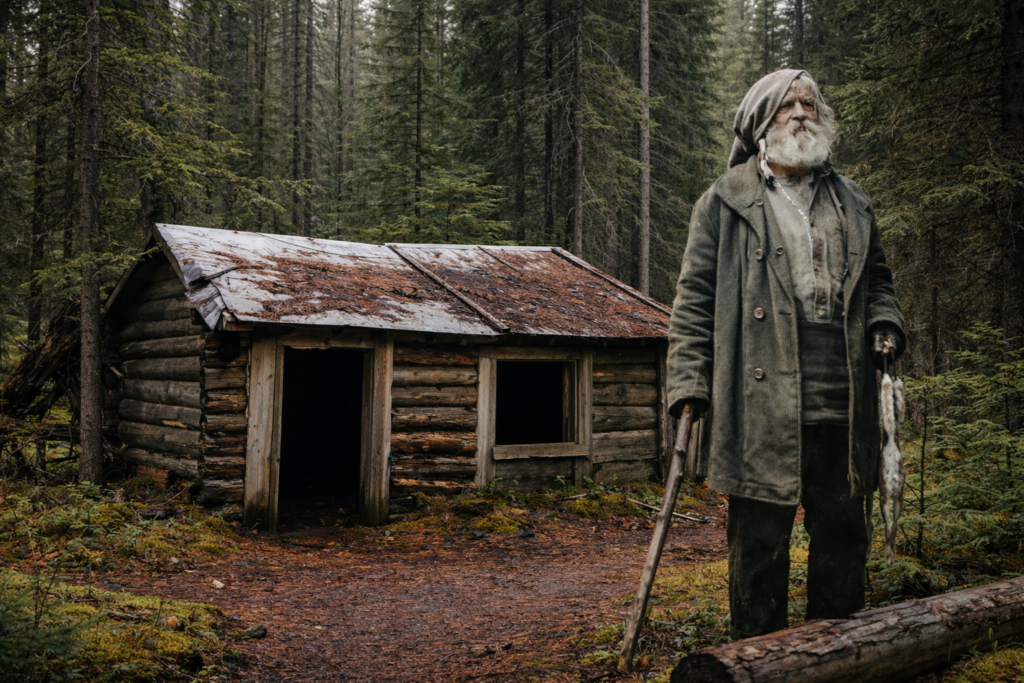
Alberta solitude is often treated as a personal preference, a lifestyle choice, or a romantic echo of the frontier. In truth, it has always been shaped by law, by institutions, and by the steady expansion of public authority. The story of Billy Carver, the Hermit of Inglismaldie near Johnson Lake, is less a curiosity than a marker of transition in how this province understands land and belonging.
- Alberta solitude and the long memory of public lands
- The frontier and the formation of authority
- How does Banff National Park policy affect wilderness solitude
- Is wilderness access in Canada becoming more restricted
- Public lands management Alberta and the politics of memory
- The enduring appeal of retreat
- A province shaped by its institutions
- Related from Alberta Tribune
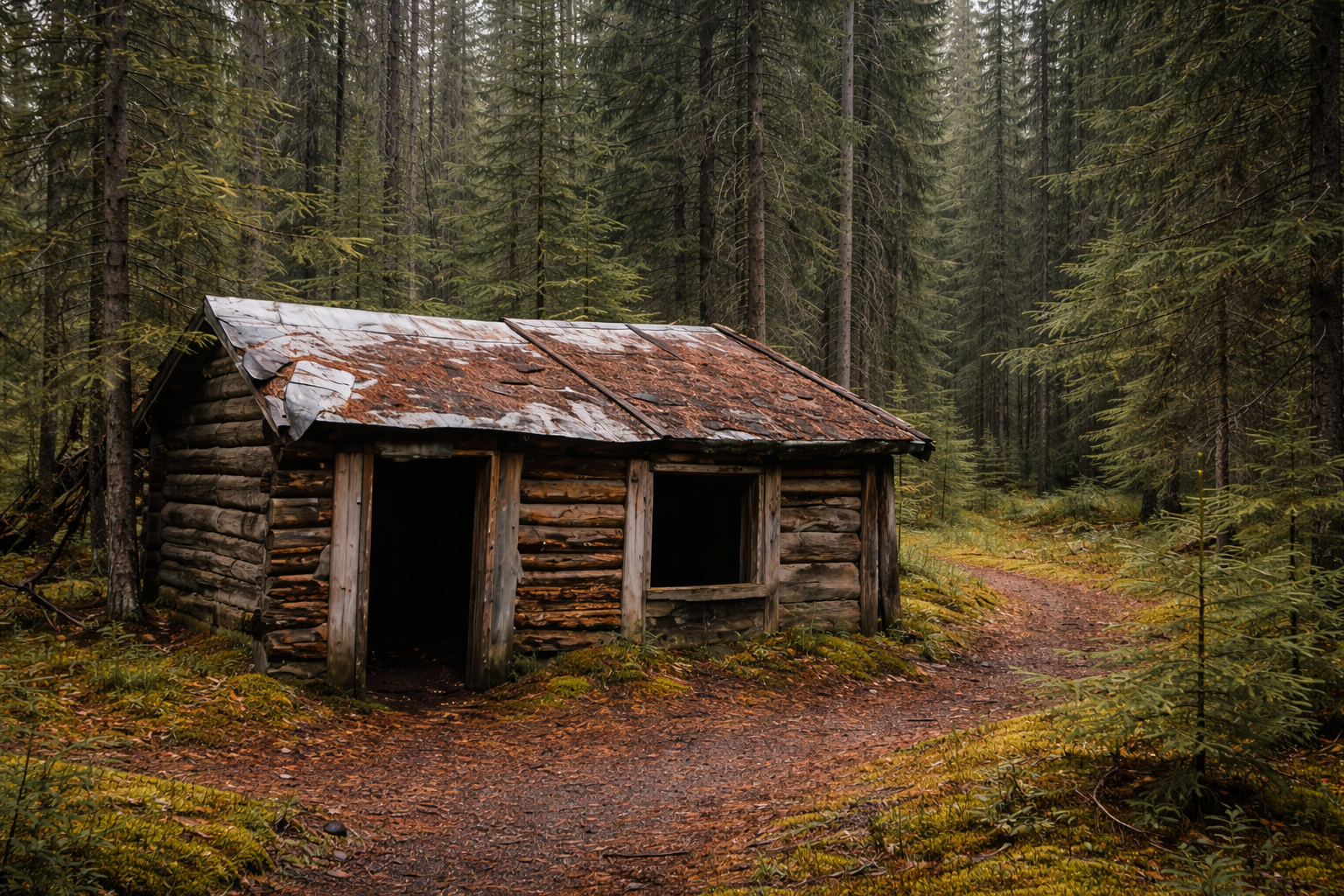
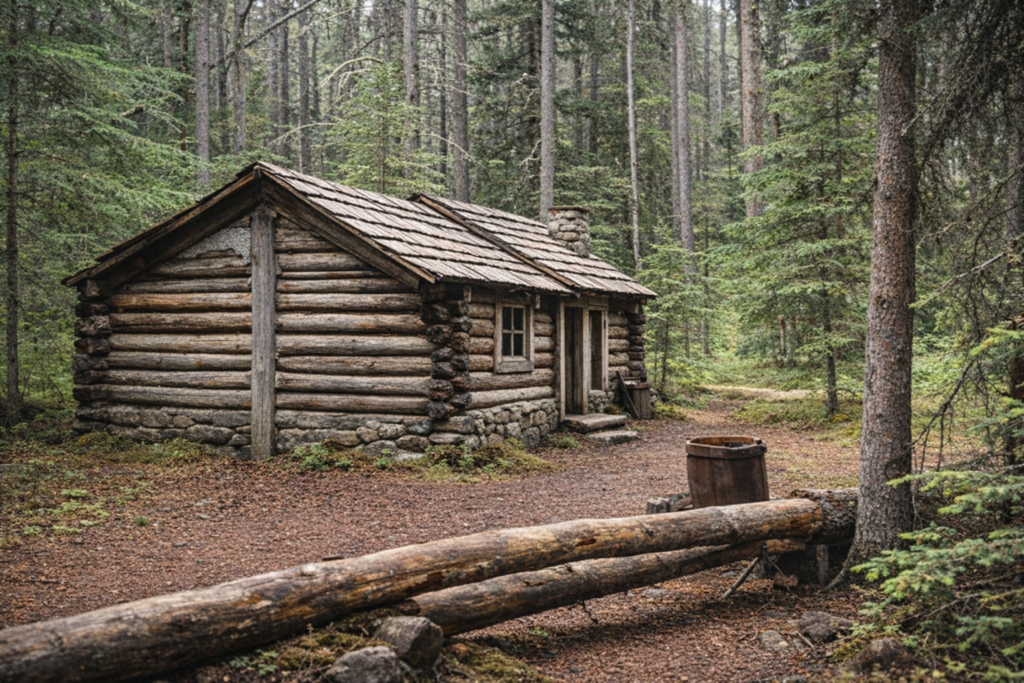
Carver built his cabin around 1910, at a time when the Dominion government was still consolidating control over western territory. He lived for decades in quiet seclusion. Today, that same landscape falls under a mature framework of Banff National Park policy and Parks Canada governance. The shift from informal occupation to regulated access reflects more than environmental awareness. It reflects a century of state building.
In Alberta, questions about land are rarely simple. They reach back to railway charters, homestead grants, grazing leases, and resource royalties. The debate over public lands management Alberta now conducts in legislative chambers echoes arguments once held in Ottawa committee rooms and prairie town halls.
The frontier and the formation of authority
When Banff National Park was established in 1885, it was less a sanctuary than a statement. The young Dominion sought to assert sovereignty, attract tourists, and encourage investment. Conservation and commerce were intertwined from the beginning.
In those early decades, enforcement was uneven. Cabins were built. Claims were staked. Settlers and recluses alike carved out space. Alberta solitude was possible because institutions were still finding their footing.
Over time, that informality gave way to codification. The Canada National Parks Act clarified mandates. Ecological integrity became a guiding principle. Permanent private residence inside national parks ceased to be an option.
This evolution should not surprise us. Alberta’s political history is a steady movement from improvisation to administration. The same pattern marked the regulation of oil and gas in the mid twentieth century and the later constitutional disputes over resource ownership. Informal arrangements eventually yield to structured governance.
How does Banff National Park policy affect wilderness solitude
The answer is straightforward. Permanent private cabins in Banff National Park are not permitted under current federal law. Wilderness access Canada remains available through designated trails, campsites, and permits, but occupation is temporary and regulated.
That clarity did not arrive overnight. It emerged from decades of policy refinement, court decisions, and negotiations between federal authorities, provincial leaders, Indigenous communities, and local stakeholders.
In earlier eras, the question was how to attract people west. Today, the question is how to manage their presence. The vocabulary has shifted from settlement to sustainability.
Is wilderness access in Canada becoming more restricted
This concern surfaces regularly in public discourse. The historical record suggests something more measured.
Access has not vanished. Alberta still offers vast tracts of Crown land and park space for recreation. What has changed is the framework. Backcountry permitting processes in Alberta national parks, wildlife corridors, seasonal closures, and visitor caps are now standard.
These measures reflect experience. Banff has endured record tourism growth. The environmental impact of tourism in Banff is no longer theoretical. It is documented in traffic studies, wildlife monitoring, and infrastructure strain reports.
Restrictions, then, are less about exclusion than about endurance. Alberta solitude persists, but within boundaries designed to protect the very landscapes that draw people here.
Public lands management Alberta and the politics of memory
Public lands management Alberta administers today sits atop older assumptions. Early twentieth century governments encouraged occupation and extraction. Later administrations responded to depletion and public concern with regulation.
This pattern mirrors Alberta’s energy history. Initial oil booms were celebrated with minimal restraint. Over time, regulatory bodies emerged, from conservation boards to environmental assessment agencies. Each was born of experience, sometimes of crisis.
To imagine that wilderness governance should remain static is to overlook this record. Institutions evolve because circumstances change.
What is often missing from contemporary coverage is this institutional continuity. Media accounts tend to frame land use debates as abrupt clashes between freedom and oversight. The historical record shows a longer negotiation, one that repeats familiar themes.
The enduring appeal of retreat
Even within structured governance, the desire for retreat endures. Interest in off grid living Alberta and cabin culture in the Rockies speaks to that impulse. It is not new. It animated homesteaders, prospectors, and, in quieter fashion, recluses like Carver.
What has changed is the legal context. Today, retreat must coexist with treaty rights, environmental science, tourism economies, and federal statutes. The forest is no longer an unclaimed refuge. It is a managed public trust.
This is neither betrayal nor triumph. It is maturation.
A province shaped by its institutions
Alberta’s political culture often emphasizes autonomy. Yet from the earliest days of national park creation to the patriation of the Constitution and the negotiation of resource revenues, the province has operated within layered frameworks of authority.
Banff National Park policy and broader public lands management Alberta illustrate this balance. Federal oversight coexists with provincial interests. Conservation mandates intersect with economic necessity.
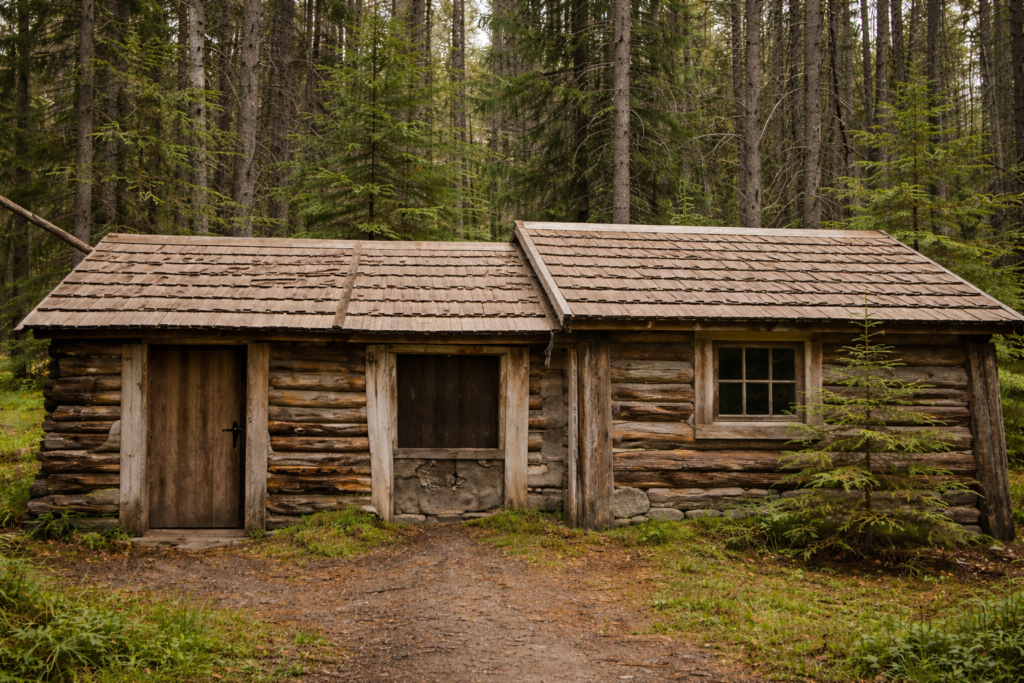
Billy Carver’s cabin stands, or stood, at the edge of that transformation. His solitude belonged to an era when governance was still consolidating. Ours belongs to a province where governance is dense, sometimes contested, but firmly established.
Public memory matters because it tempers exaggeration. When debates arise about wilderness access Canada or regulatory limits, they are not unprecedented ruptures. They are chapters in a longer story of negotiation between individual desire and collective responsibility.
Alberta solitude has not disappeared. It has been woven into a framework of law and policy built over generations. To understand that continuity is to understand the province itself.