

British Columbia has a talent for positioning itself as a victim of federal neglect while simultaneously obstructing the economic aspirations of its neighbours. The events of early May 2026 illustrated that talent with unusual clarity.
The Complaint and the Contradiction
On May 4 and 5, Premier David Eby told reporters he does not understand why the federal government is focused on an Alberta pipeline when BC’s softwood lumber industry has been left out of federal tariff relief. The federal government had announced $1.5 billion in tariff relief for various sectors, with lumber producers receiving access to $500 million through a large enterprise loan facility and another $500 million through the Business Development Bank’s softwood guarantee program. Eby wanted more and wanted it faster. Fair enough. U.S. tariffs on Canadian softwood, running at roughly 14.5% and long predating the current trade friction, have cut deep into BC mill margins.
But Eby’s complaint arrived in the same week he reaffirmed BC’s opposition to a new oil pipeline across northern BC, stating the province stands in strong opposition to any change to the tanker ban off the north coast. He questioned whether any private proponent had yet come forward, suggesting the pipeline discussion lacks commercial reality. He wants federal attention for BC’s export crisis. He declines to extend the same courtesy to Alberta’s.
What the MOU Actually Shows
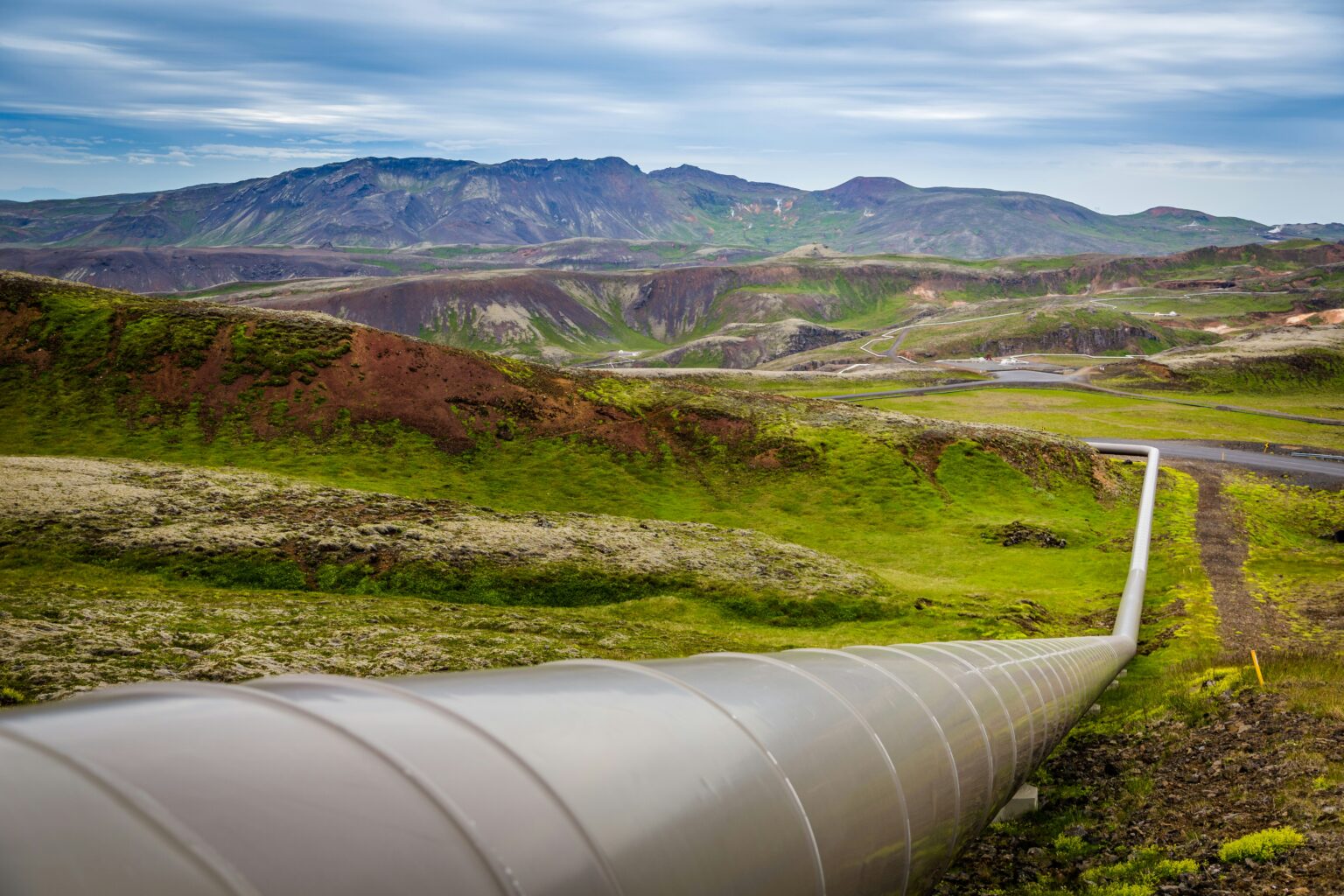
To be precise about the timeline: Prime Minister Mark Carney and Premier Danielle Smith signed a Memorandum of Understanding to advance a new west coast bitumen pipeline in May 2026, following an agreement-in-principle reached in March. The MOU commits to construction of one or more privately financed pipelines capable of moving at least one million barrels per day of Alberta bitumen to tidewater, with a route prioritising access to Asian markets. Construction is targeted to commence as early as September 2027, contingent on Alberta submitting a project proposal to the Major Projects Office by July 1, 2026.
Carney described the pipeline as more likely than not. A year of federal-provincial engagement produced an MOU. Shovels are not yet in the ground, and the BC government’s position on the tanker moratorium remains unchanged. The pipeline deal’s pace has drawn criticism from both energy advocates and fiscal analysts who note that an MOU without a confirmed route through BC and without a resolution on the federal tanker ban leaves the commercial timeline fragile.
Two Provinces, One Federal Wallet
The asymmetry here is worth stating plainly. BC’s softwood lumber sector exports roughly $10 billion annually to the United States. It is a real industry facing real trade harm and it deserves federal engagement. Alberta’s energy sector exports more than $130 billion annually, most of it to a single customer, and the entire rationale of a new pipeline is to reduce that dependence. Both situations call for federal attention. Only one premier is actively blocking the other’s solution.
Eby’s framing, that Ottawa should prioritise his province’s timber crisis over another province’s export infrastructure, would be reasonable coming from a premier who had no leverage over Alberta’s future. He does have leverage. BC’s coastline, its environmental permitting, and its position on the tanker ban are each capable of killing the pipeline project regardless of what Ottawa and Edmonton agree to. Demanding federal resources while retaining that veto is not a neutral position.
What Fair Looks Like
A genuinely collaborative federation would involve BC accepting that Alberta’s export diversification serves the whole country, not just one province. It would involve Ottawa applying consistent logic: if BC’s forestry jobs are worth federal relief, Alberta’s energy jobs are worth a cleared pipeline corridor. And it would involve BC explaining, clearly and specifically, what conditions would actually satisfy its concerns rather than maintaining a posture of vague opposition indefinitely.
The Asian market diversification case for Alberta crude was never stronger. South Korea, Japan, and India have all signalled appetite for Canadian supply. The commercial case exists. What does not yet exist is a route to tidewater that BC has agreed to permit. Federal softwood relief is a reasonable ask. Answering it while leaving Alberta’s pipeline in bureaucratic limbo is not a reasonable trade.
If a province can demand federal economic rescue while blocking a neighbouring province’s export lifeline, what does Canadian economic solidarity actually mean?