

For a hundred years, Alberta crews pumped salty formation water up alongside the oil, treated it as a nuisance and sent it back underground. It turns out the nuisance was an asset. The salt water carries lithium, and Alberta finally put a number on it.
The Alberta Geological Survey, working with the provincial energy regulator, pegs the in-place endowment at 82.5 million tonnes of lithium carbonate equivalent, most of it locked in the Devonian-age Leduc formation, the same rock that launched the modern oil industry in 1947. Priced on paper, the endowment approaches the trillion-dollar mark in American terms, and the province ranks it among the largest accumulations measured anywhere.
Nobody working the file pretends the headline figure is bankable. In-place tonnes are not recoverable tonnes, and full recovery never happens. The honest claims are still remarkable. The resource is enormous, it is measured, and the method for getting it out looks like Alberta’s existing skill set pointed at a new molecule.
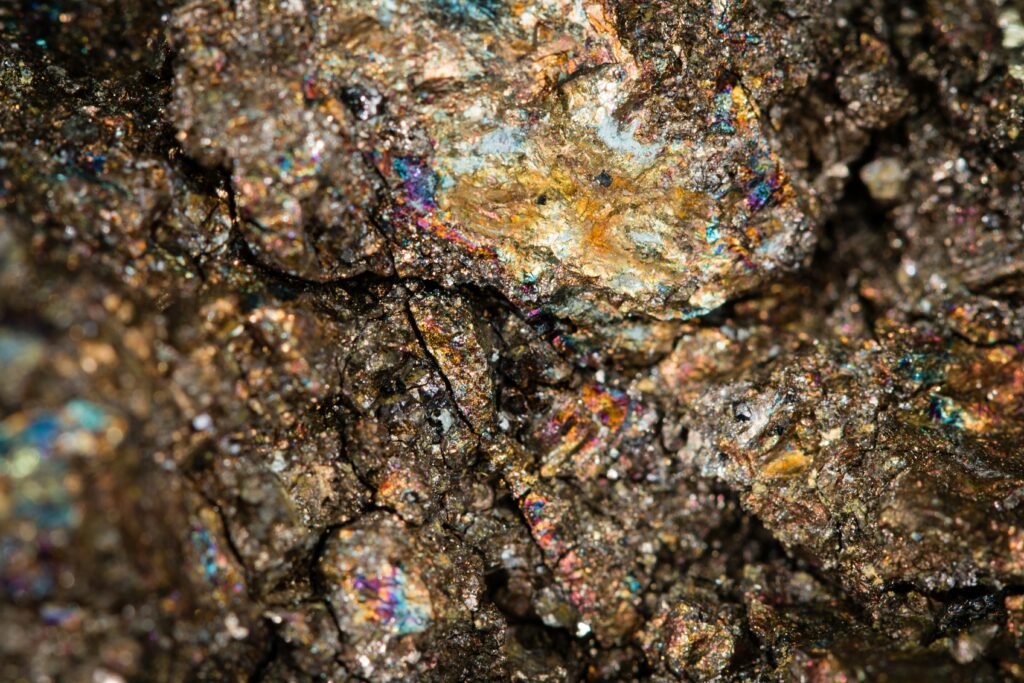
No Open Pits, No Evaporation Ponds
Global lithium currently comes from hard-rock mines or vast evaporation ponds in South American deserts. Alberta’s play is different. Direct lithium extraction strips the metal from formation water using selective sorbents, after which the spent brine goes back downhole. The equipment list reads like a service-company catalogue. Wells, pumps, processing skids, pipeline tie-ins, the trades and subsurface engineers this province produces by the thousands.
That overlap matters economically. The energy industry downturns that idle drilling crews and facility engineers are exactly the moments a brine-lithium sector could absorb them. Same people, same counties, new commodity. A handful of Alberta companies are pushing projects forward, and the first commercial output could arrive as soon as 2027.
The Policy Window Is Open
The battery age runs on lithium regardless of which country supplies it. North American manufacturers want security of supply outside China’s processing chain, and a stable, rule-of-law jurisdiction with measured resources and existing infrastructure is precisely what that market is shopping for. Alberta’s competitors are Nevada, Arkansas and Chile, and the clock is real. First movers lock in offtake agreements, processing capacity and talent.
The provincial job is to keep the path boring. Clear tenure rules, predictable permitting, royalty terms set early and left alone. The federal job is to resist the urge to wrap a promising sector in a decade of strategy documents. Capital is already curious. Curiosity converts to investment when the rules are legible, a lesson the province’s data centre file has been teaching in real time.
This province built a century of expertise extracting value from geology everyone else drives past. The next chapter may come from the water that always rode along with it. The province that built an industry on what was under the prairie has every tool required to build another on what is dissolved beneath it.
Should Alberta fast-track a lithium framework now, or wait for the technology to prove out? Tell us below.