Editor’s note, October 10, 2026. This column was written in February 2026. Prices, differentials and policy positions below are as they stood then.
When price, not production, sets the tone
Alberta’s energy sector does not panic easily. It has weathered global recessions, pipeline bottlenecks, and regulatory shifts that would have rattled many jurisdictions. But when oil prices settle into the low $60 range, even a seasoned province pays attention.
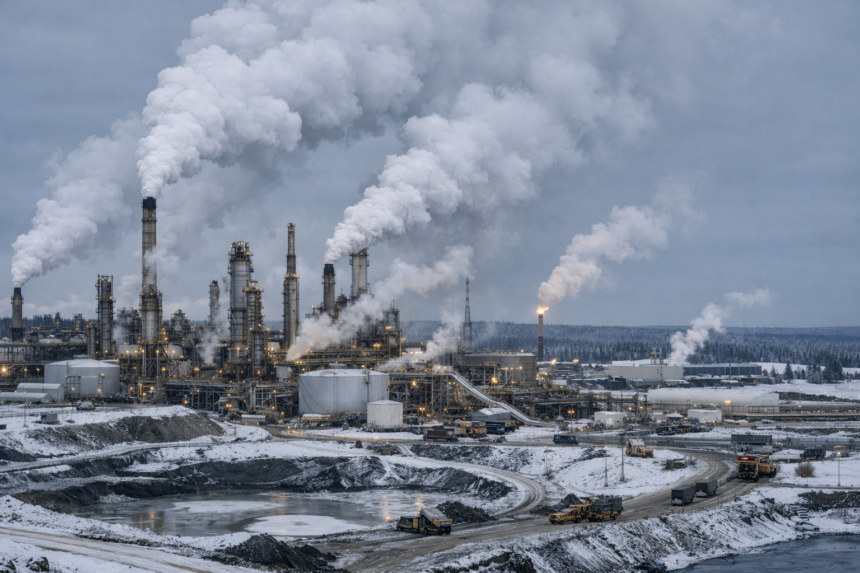
Production across the oil sands and conventional fields remains strong. Western Canadian Select differentials have narrowed compared with past periods of severe discounting. Export capacity has improved in recent years. The Canada Energy Regulator publishes the pipeline data. Yet for all the operational gains, global pricing, tracked daily by the U.S. Energy Information Administration, still dictates revenue reality.
In February, that reality is more restrained than it was during last year’s stronger pricing window.
Royalties and realism
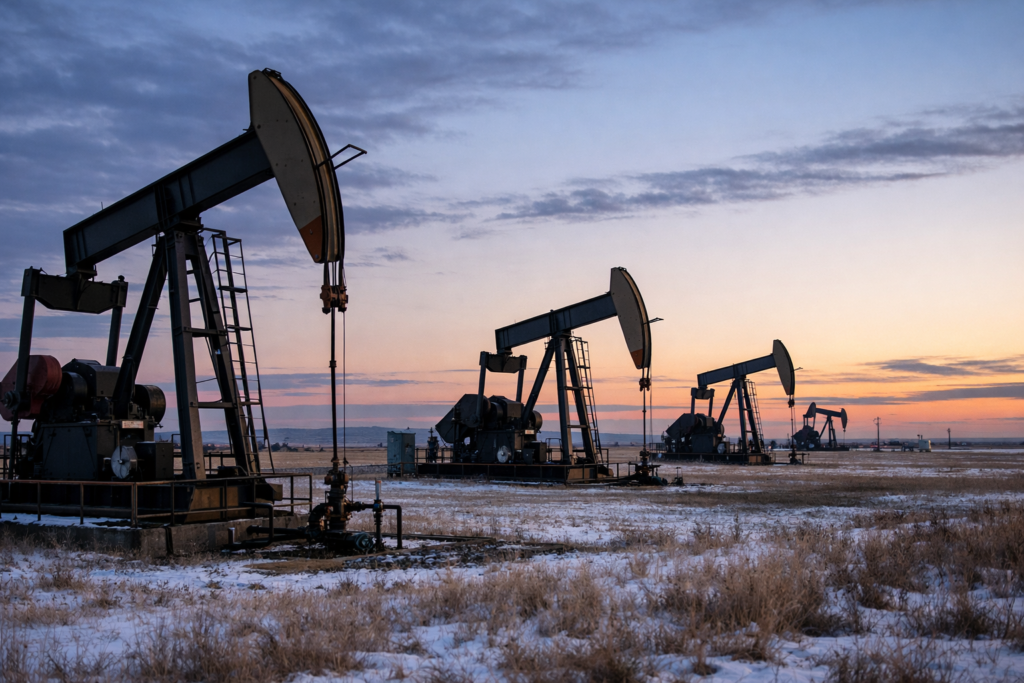
Energy royalties are central to Alberta’s public accounts. Even modest shifts in benchmark crude can translate into billions of dollars in projected revenue swings over a fiscal cycle.
Oil will remain part of the provincial economy. What matters is how government plans for the volatility that has always defined commodity markets.
There is a difference between cyclical softness and structural decline. Current pricing reflects global supply dynamics, demand moderation, and geopolitical uncertainty rather than a collapse in Alberta’s production capacity. That distinction matters for policy response.
Short term restraint paired with long term competitiveness is a defensible approach. Overreaction, either through sudden tax shifts or erratic spending, would not be.

Investment confidence in a shifting world
Energy investment today depends on more than geology. Investors evaluate regulatory predictability, tax stability, and infrastructure access alongside commodity prices. Alberta’s competitive position rests on maintaining a framework that is clear and consistent.
Global capital is mobile. So is talent.
If February’s pricing environment encourages sober budgeting and steady policy, it could reinforce Alberta’s reputation as a jurisdiction that understands cycles rather than denies them. That reputation is earned slowly and lost quickly.
There is no crisis in the fields. Oil remains Alberta’s economic backbone, and when prices soften, fiscal discipline stops being a slogan and becomes the operating principle.