


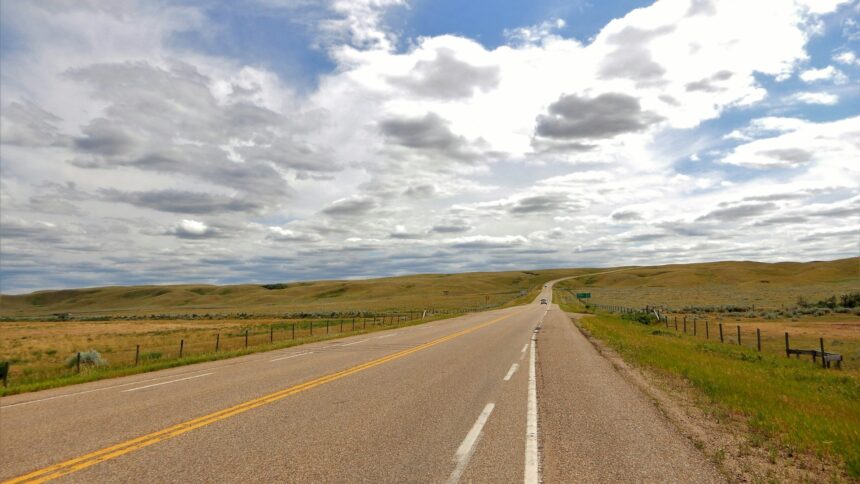
Patience is the cheapest thing a health system can spend, and rural Alberta supplies more of it than anyone. It gets spent on gravel and blacktop, between a farmyard and a clinic in the next town over, and it is counted in days.
The Canadian Institute for Health Information put a figure on those days in October 2025. Among Alberta adults who have a regular primary care provider, 26% could see one the same day or the next for a non-urgent need in 2024. By our arithmetic, the other 74% waited past tomorrow, and nobody sick enough to call a clinic thinks of that as a small number.
Three in four. Every province lands between one in five and one in three.
Key facts
- The Canadian Institute for Health Information reported on October 23, 2025 that 26% of Alberta adults with a primary care provider could get care from a provider on the same or following day for a non-urgent need in 2024.
- Across Canada, the same Canadian Institute for Health Information measure was 27% of adults in 2024, with provincial results running from 21% in British Columbia and Newfoundland and Labrador to 33% in Manitoba.
- Statistics Canada’s 2024 Survey on Health Care Access and Experiences, as reported by the Canadian Institute for Health Information, found 23% of adults in rural or remote areas got same- or next-day primary care, against 27% of urban adults.
- In that 2024 survey, 66% of rural adults said they were satisfied with their wait, compared with 60% of urban adults.
- Canada ranked last of 10 high-income countries for same- or next-day access to a doctor or regular place of care in the Commonwealth Fund’s 2023 International Health Policy Survey.
What rural Albertans do when the appointment is days away
The national figures carry the detail the Alberta number leaves out. In 2024, 23% of rural and remote adults in Canada got care by the next day, against 27% in the cities. That gap is a few points. It sounds modest until you remember what sits inside it, which is distance, and the fact that a city patient who misses tomorrow can usually find a walk-in clinic by supper.
Then comes the figure that ought to stop a planner cold. Rural adults were more satisfied with their wait than urban adults were, 66% against 60%. They got less and said they were happier with it.
What people say on a survey form is the weaker evidence. What they do is plainer, and anyone who has lived an hour from a doctor knows the short list of choices. They wait, and they keep working while they wait, because the cows and the crop do not reschedule. They drive, which costs a morning and a tank of fuel. Or they go to the emergency department at the rural hospital, because it is the one door that is always open, and then they are counted a second time as the problem clogging emergency.
A rancher who judged a herd by how little it bawled would lose calves. Livestock that go silent are sometimes the ones in trouble. Rural people were raised not to make a fuss over a sore back or a cough that will not quit, and a system that reads that habit as contentment has mistaken a people’s manners for its own success. That mistake carries a certain contempt, the assumption that the ones who ask for least must need least, held by people who have never had to put a sick child in a truck at night and count the kilometres.
Why another survey will not shorten the drive
Canada measures this better than it fixes it. The Canadian Institute for Health Information tracks the same question every cycle, Statistics Canada fields the survey, and the Commonwealth Fund lines Canada up against other wealthy countries. In 2023, adults in Canada were the least likely of the 10 to get a same- or next-day appointment. In 2024, among Canadians 65 and older who had a primary care provider, the figure was 25%. The survey work is careful, and a careful measurement of a long wait is still a long wait.
That failure belongs to a national system that has spent decades learning to describe itself, and it is older than any government now in office in Edmonton or Ottawa. Alberta has reorganized its health system and said results are what count, which is the right test, and the province has also put money into care before the ambulance is needed. Both are bets on what patients experience rather than on what reports say. The measure worth watching now is the gap between the rural figure and the urban one. A patient in a town of 900 should be seen as fast as a patient in a Calgary suburb, and the next release should treat a satisfied rural respondent as a warning before it counts as good news. Every survey that files rural patience under satisfaction lets the people who design the system look past the hour on the highway and the day of work it costs. Distance does not appear as a column in the tables. It should. A person who lives a long way from a clinic pays for the same care twice, once in taxes like everyone else and once on the road, and the system has been collecting that second payment for so long it forgot it was ever charging one.
Rural patience is a cost, and rural people keep paying it.
Frequently asked questions
What does the 26% figure on Alberta primary care access measure?
The Canadian Institute for Health Information reported on Oct. 23, 2025 that 26% of Alberta adults who have a regular primary care provider could see one on the same day or the next for a non-urgent need in 2024. That leaves 74% waiting past tomorrow, or roughly three in four. The measure covers only adults with a provider, not the share of Albertans without one.
How does Alberta compare with the rest of Canada for same-day and next-day access?
The national figure was 27% of adults in 2024, with provincial results running from 21% in British Columbia and Newfoundland and Labrador to 33% in Manitoba, according to the Canadian Institute for Health Information. Canada ranked last of 10 high-income countries for same- or next-day access in the Commonwealth Fund’s 2023 International Health Policy Survey. Among Canadians 65 and older with a provider, the 2024 figure was 25%.
Is primary care access worse in rural Alberta?
Yes, by a few points that carry a lot of distance. Statistics Canada’s 2024 Survey on Health Care Access and Experiences, as reported by the Canadian Institute for Health Information, found 23% of adults in rural or remote areas got same- or next-day primary care, against 27% of urban adults. Yet 66% of rural adults said they were satisfied with their wait, compared with 60% of urban adults, which reads as habit and manners rather than good service. A city patient who misses tomorrow can usually find a walk-in clinic by supper; a rural patient faces the highway.
Where do rural Albertans go when the appointment is days away?
They wait, and keep working while they wait, because the cows and the crop do not reschedule. They drive, which costs a morning and a tank of fuel. Or they go to the emergency department at the rural hospital, because it is the one door that is always open, and then they are counted a second time as the problem clogging emergency.