

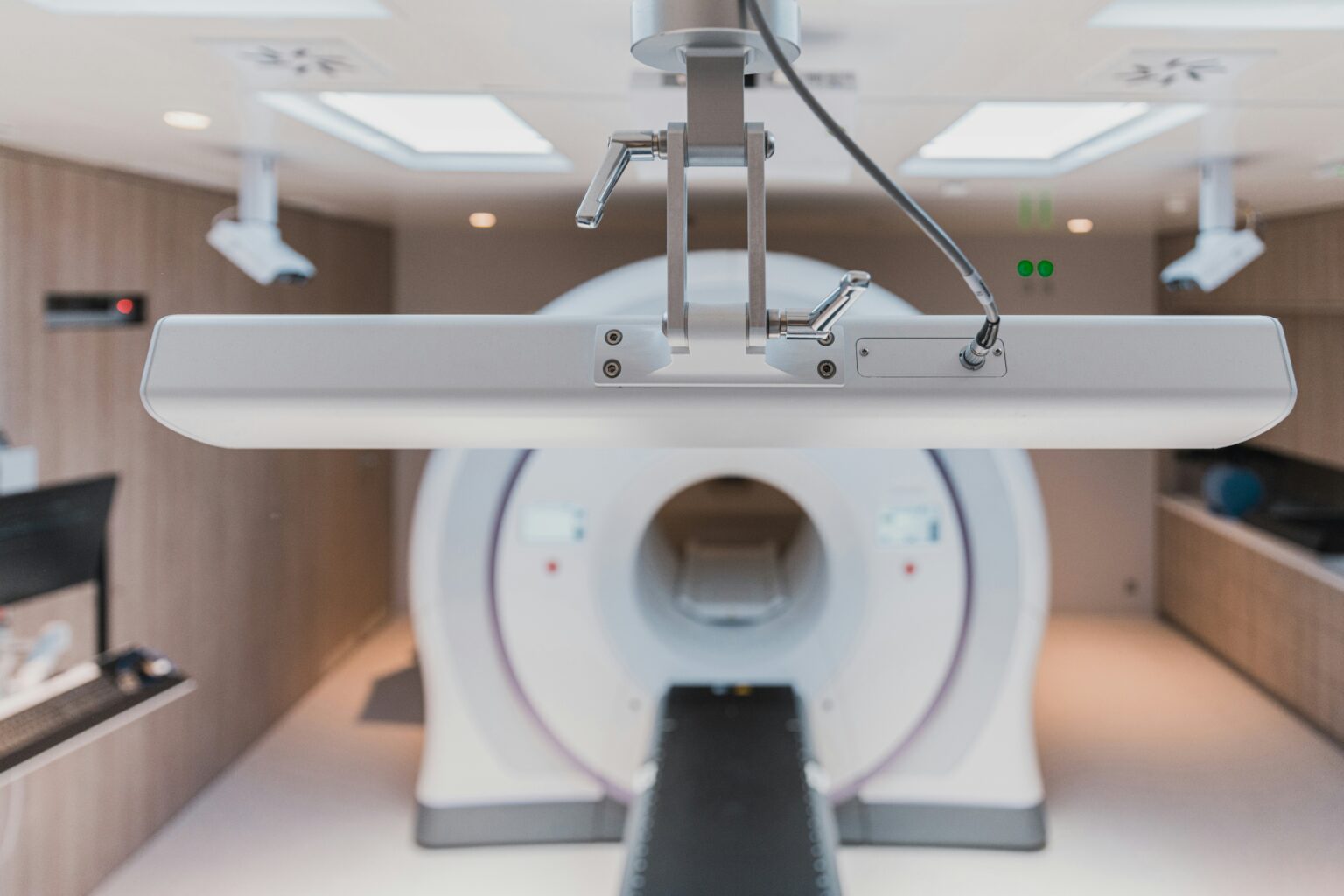

As of Friday, an adult in this province who wants an MRI can book the appointment, pay the bill, and read the results in their own health record. No referral required. No waiting for permission.
The change covers MRIs, CT scans, ultrasounds and X-rays for Albertans 18 and older at private clinics that choose to participate, paid out of pocket or through insurance. It is a real shift in how diagnostics work here, and it deserves an honest look rather than a slogan from either side.
Start with the guardrails. Tests ordered by a doctor stay fully covered by the public system, and they keep first claim on the machines. A clinic that opts in has to hold its capacity for referred patients at least where it stood before July 31. The paying customer goes to the back of the line whenever the public system needs the scanner.
The Debate Worth Having
Critics call this two-tier care, and the concern is not imaginary. Any system where money buys speed has to answer for what happens to the people without it. That debate belongs in the open.
But honesty cuts both ways. A second tier already existed. It was called the waiting list, and the only people who escaped it were the ones who could drive to another province and buy a scan there. The option existed for anyone with means. It just did not exist in Alberta, and Alberta collected none of the accountability that comes with hosting it.
Now the option lives here, inside provincial rules, with the province watching the capacity numbers. That is not a perfect arrangement. It is a more honest one.
What Changes on the Ground
Picture the person this is actually for. A tradesperson with a shoulder that has been wrong for a year. A parent who wants an answer before school starts, not after spring break. Someone staring at a requisition on the fridge, month after month, doing the math on how long a body can wait.
An answer in August instead of next spring changes what a doctor can do with it. Early information widens options. A clean result buys peace of mind, and a bad one caught sooner gives treatment a longer runway. None of that guarantees outcomes. All of it improves odds and shortens the anxious middle.
One underreported detail matters too. The results land in the patient’s own health record, which means the family doctor sees what the clinic saw and the file stays whole.
The Test That Decides It
This policy will be judged on one number. What happens to the wait for the patient who cannot pay. If referred waits shrink or hold while self-pay volume grows, the capacity floor did its job and the critics lose their strongest card. If referred waits stretch, the rule failed and the province will own that.
It is the same standard this page applied when the province took Alberta Health Services apart. Structure is a promise. Results are the proof. Publish the wait time data, keep the floor enforced, and let Albertans judge the thing on evidence.
A province that trusts its people with their own health information, and their own money, is making a bet on adults. Good. Measure it like adults too.
Would you pay for your own scan, or should that option not exist at all?