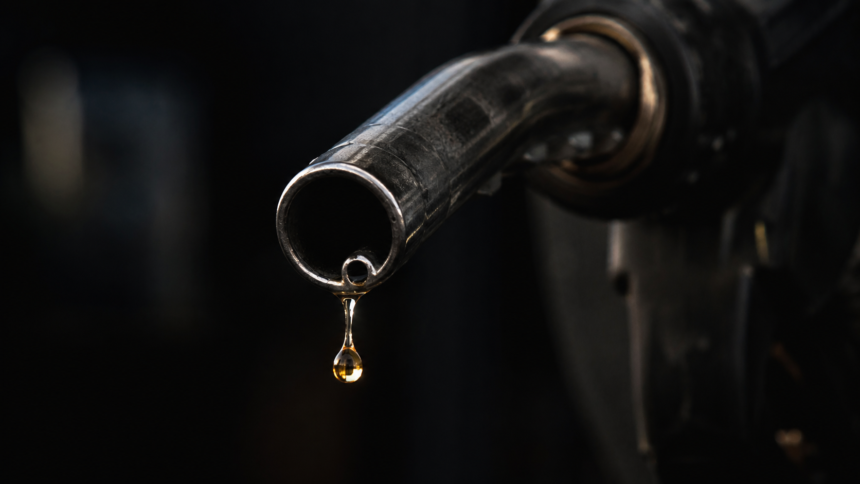
Albertans were promised relief at the pump, and on paper they got it. The federal consumer carbon tax was scrapped in the spring of 2025, taking roughly 17.6 cents a litre of policy cost off gasoline overnight. Filling the truck still feels like a small mortgage payment, because the carbon tax was only ever one line on a longer bill, and the pitch for its removal skipped that.
The carbon charge vanished and the pump barely noticed, because the price is driven far more by the global crude market and the taxes layered underneath than by any single climate policy. Scrapping the carbon tax was the right call on its own merits. Pretending it would reset the sign at the corner station was not honest.
Key facts
- The federal government removed the consumer carbon price on April 1, 2025, taking about 17.6 cents a litre off the cost of gasoline, according to the Canada Revenue Agency.
- Alberta charges a fuel tax of 13 cents a litre on gasoline, according to Alberta.ca.
- Under the province’s fuel tax relief program, the full Alberta fuel tax rate returns when West Texas Intermediate falls below $80 a barrel.
What you are actually paying for
Pull a litre of gasoline apart and the carbon tax was never the biggest piece. The largest share is the price of crude oil itself, set on a global market that does not care what happens in Edmonton or Ottawa. On top of that sits the refining and marketing margin, then the federal excise tax, then Alberta’s own fuel tax, and finally the GST charged on the whole stack, tax included. Remove one of those layers and the others keep doing what they do. When crude climbs, as it did through much of the past year, it can swallow the savings from a repealed tax in a single trading week.
That is the part the political theatre skipped. The carbon tax made a convenient villain because it was a policy choice you could point at and cancel. The global oil price is not, and neither is the dollar that prices that oil. Albertans who were told the pump would tumble once the tax was gone were owed a fuller explanation, and they did not get one.
One tax was never the whole problem
Alberta still charges its own fuel tax, currently 13 cents a litre, tied to a sliding scale that brings the full rate back when oil drops below $80 and eases it when prices run high. That mechanism made sense when it was introduced, and it has saved drivers real money in expensive stretches. But it also means part of the price at the pump follows provincial program rules as much as global markets, and Albertans are entitled to see how that trigger works.
Nobody should read this as a case for bringing the carbon tax back. The case is for honesty about who controls what. Ottawa controlled the carbon charge and the federal excise tax. The province controls its fuel tax and the rules around it. The market controls the rest. Voters can only hold the right people accountable if someone is straight about which lever belongs to whom.
Real relief beats a good headline
The lesson here is to be suspicious of any politician, of any stripe, who promises that killing one tax will fix a complicated price. The honest path is the boring one. Keep the fuel tax relief trigger working as designed so it actually kicks in when families are squeezed, put money back in people’s hands through measures like the energy rebate landing July 1, and let households keep more of their own paycheque in the first place. That is relief you can measure on the receipt, and not only in a press release.
It is also worth remembering why Alberta can afford to think this way at all. This is an energy province. The same resource that the rest of the country lectures Albertans about is what funds the services and the rebates that cushion these costs. Affordability policy works best when it leans into that strength with steady, predictable rules rather than chasing the next announcement that sounds good for a news cycle.
Tell people the truth about prices
Albertans can handle straight talk. The price at the pump rises and falls with crude markets, refining margins, the dollar, and the taxes stacked on top. Removing the carbon tax helped at the edges and was worth doing on principle. The bigger affordability fight is still on, and it will be won with steady, honest policy rather than another promise that this one change will make it all better. The fastest way to lose people’s trust is to tell them a problem is solved while they are still staring at the number on the pump.
Scrapping the carbon tax was right. It did not fix the price.
Related from Alberta Tribune: Alberta Sends Energy Money Back to Families Starting July 1