Statistics Canada gives shelter 28.51% of the Consumer Price Index basket for 2026, food 16.83% and transportation 17.87%, weights it set from what Canadian households spent in 2025. In the same publication the agency describes the index as a measure of how the cost of a fixed basket of goods and services changes over time.
That wording matters because the word affordability is now used as though the index measured it. The index prices a basket. It does not set the basket against anyone’s income. Statistics Canada‘s shelter component also already counts property taxes, homeowners’ insurance, electricity, water and natural gas, so a rise in shelter is not a rise in rent alone.
Key facts
- Statistics Canada‘s analysis of the 2026 Consumer Price Index basket update, released June 15, 2026, sets weights based on 2025 household spending of 28.51% for shelter, 16.83% for food and 17.87% for transportation.
- The same Statistics Canada publication describes the index as measuring changes in consumer prices over time by comparing the cost of a fixed basket of goods and services.
- Statistics Canada’s 2017 reference paper on the shelter component lists property taxes, homeowners’ insurance, electricity, water and natural gas among the items it covers.
- Statistics Canada’s Survey of Household Spending, released May 21, 2025, put average household spending in Alberta in 2023 at $88,186, up 17.6% from 2021.
- The same release found that Alberta households reported the highest average transportation spending among the provinces in 2023, at $14,539.
The index already counts several bills inside housing
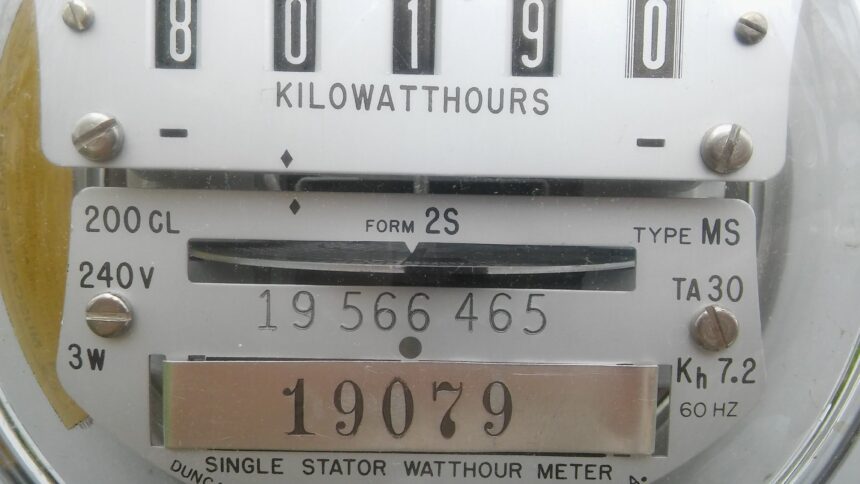
The shelter component has three parts. Rented accommodation covers rent and tenants’ insurance. Owned accommodation covers mortgage interest, property taxes, homeowners’ insurance and upkeep. The third part is water, fuel and electricity, which takes in natural gas.
Housing is not the whole bill, and the index is built to show that. By the Tribune’s count, shelter, food and transportation together carry 63.21% of the basket, so groceries and driving are as large a part of household cost as the roof over it.
Alberta household spending puts transportation at the top of the provinces
The Survey of Household Spending counts dollars and not price changes. For 2023 it found Alberta households spending an average of $88,186, up 17.6% from 2021, and $14,539 on transportation, the highest of any province. Those dollars show where spending went. They do not show how heavy any bill was.
A household that spends more can also earn more, and the survey was not designed to say which Alberta families found $14,539 on the road easy to pay and which did not. It is a record of what was spent in a year that ended long before the release appeared. The 2023 results came out on May 21, 2025, about 17 months after that year closed, by the Tribune’s count.
A measure of affordability has to include the income side
The price index says what changed in cost. The spending survey says what households paid. An affordability measure would set both against income for a defined type of household, such as a renter with children or a couple who own a mortgaged home, and report the share of income left after the largest bills. This column found no single Statistics Canada release that does this for Alberta.
That is the gap to name before the next round of claims. A statement that Alberta is more or less affordable than last year should say whether it rests on prices, on spending or on a share of income, because the three can point in different directions. Using the price index alone to settle an affordability argument is a statistical shortcut, whichever side takes it.
Until a published measure sets income beside the largest bills, any claim about what Alberta households can afford rests on price changes in a fixed basket, and the most recent Alberta spending figures this column found describe 2023.
Related from Alberta Tribune: The Freshest Price Numbers in Canada Describe a Month Already Gone · The $19 Trillion Record Landed Where the Financial Assets Already Were · Canada Built the Whole Bridge and Split the Toll Booth