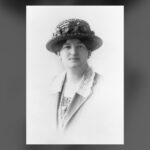


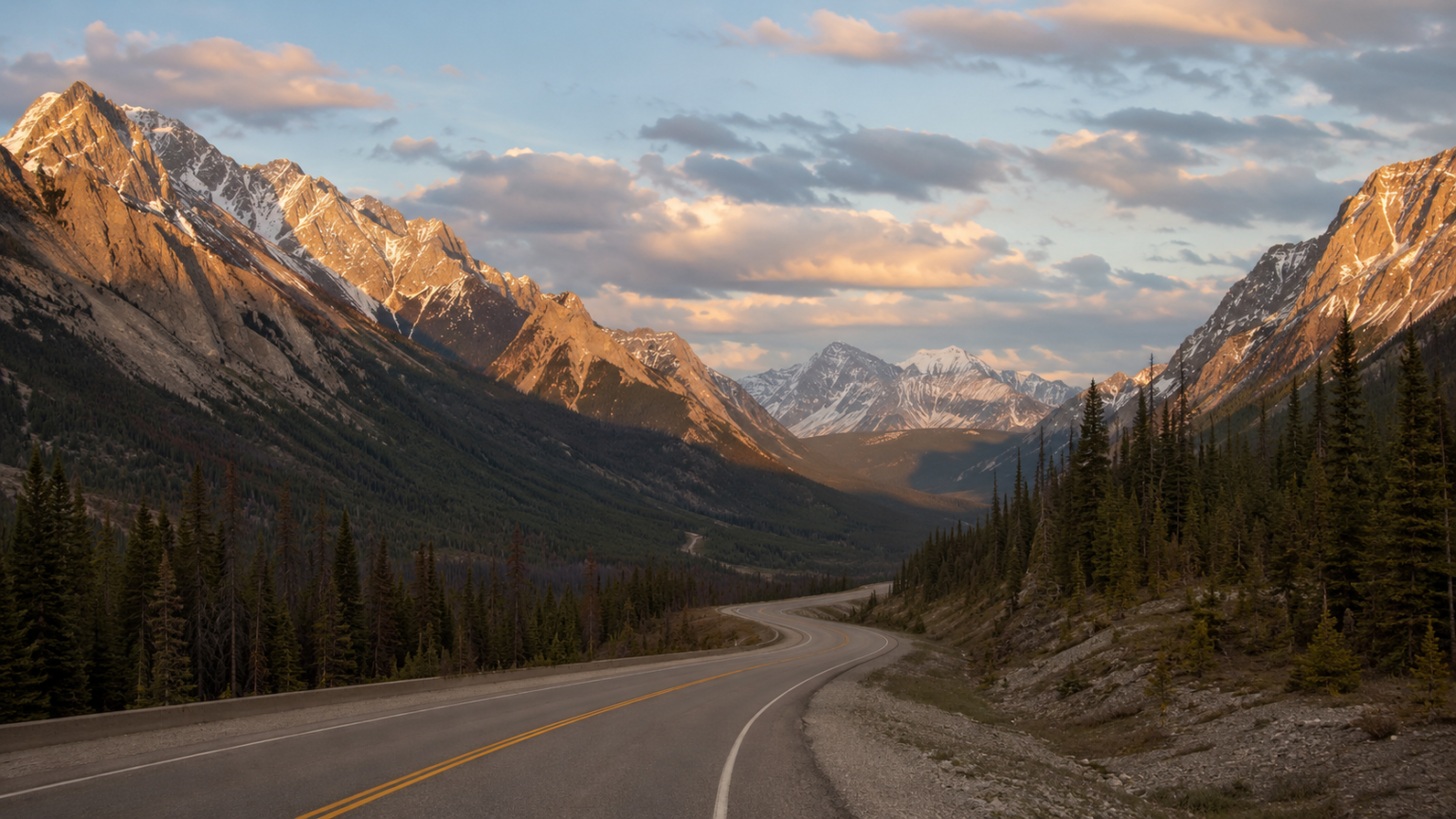
Mount Wardle stands in the Vermilion Range of Kootenay National Park, named for James Morey Wardle, an engineer who ran Banff and built the road that runs beneath it. The Whyte Museum of the Canadian Rockies says the mountain was named for him in 1921.
Key facts
- James Morey Wardle was born on June 26, 1888, in Chilliwack, British Columbia, and earned an engineering degree from Queen’s University in 1912, according to the Whyte Museum of the Canadian Rockies.
- Wardle was superintendent of Banff National Park from 1918 to 1921, Chief Engineer for Parks Canada from 1921 to 1935 and Deputy Minister of the Interior from 1935 to 1936, according to the Whyte Museum of the Canadian Rockies.
- The federal government built the Banff-Windermere road under an agreement with British Columbia, in exchange for eight kilometres of land on either side for a national park, according to Parks Canada.
- Parks Canada records that construction began in 1911 from the Columbia Valley, stopped for lack of funds and the First World War, resumed after 1919 and finished in 1923.
- Kootenay National Park was established in 1920, three years before the road was completed, according to Parks Canada.
A Queen’s graduate ran Banff for three years
Wardle finished his engineering degree in 1912 and joined the federal parks service. He became superintendent of Banff National Park in 1918 and held the post until 1921. Wikipedia gives 1919 as the start year. The Whyte Museum’s record says 1918.
The road he built paid for a national park
British Columbia proposed the route through the Vermilion and Kootenay river valleys, and Ottawa agreed to build it in return for the land on either side. That land became Kootenay National Park. The hardest stretch was Sinclair Canyon, where workers widened a narrow passage into a single-lane road with pick axes, shovels and dynamite, according to Parks Canada. The Whyte Museum credits Wardle with building the Banff-Windermere highway, along with the Banff-Lake Louise and Banff-Jasper roads. The Banff-Windermere road runs 105 kilometres from Castle Junction, Alberta, to Radium Hot Springs, British Columbia, according to Wikipedia.
He stayed in the parks service until 1936
Wardle was Chief Engineer for Parks Canada from 1921 to 1935, which is 14 years by the Tribune’s arithmetic, and Deputy Minister of the Interior for a year after that. He died on May 18, 1971. He is buried in Old Banff Cemetery beside his daughter Dorothy, who died in 2003.
The mountain that carries his name looks over the highway he built, and his grave is in the town he once ran.
Updated October 7, 2026. The earlier version described a September 1922 first drive from Banff to Invermere, gave a wife’s name that conflicts with the Whyte Museum record, and listed career details and a postmark slogan that could not be verified. Those are removed, and the dates now follow the Whyte Museum and Parks Canada.
Related from Alberta Tribune: The Banff Cave Where Canada’s National Parks Were Born · The Oil Engineer Who Built Canada’s Largest Seedstock Cattle Operation · The Alberta Coal Town Named After the Company That Built It