

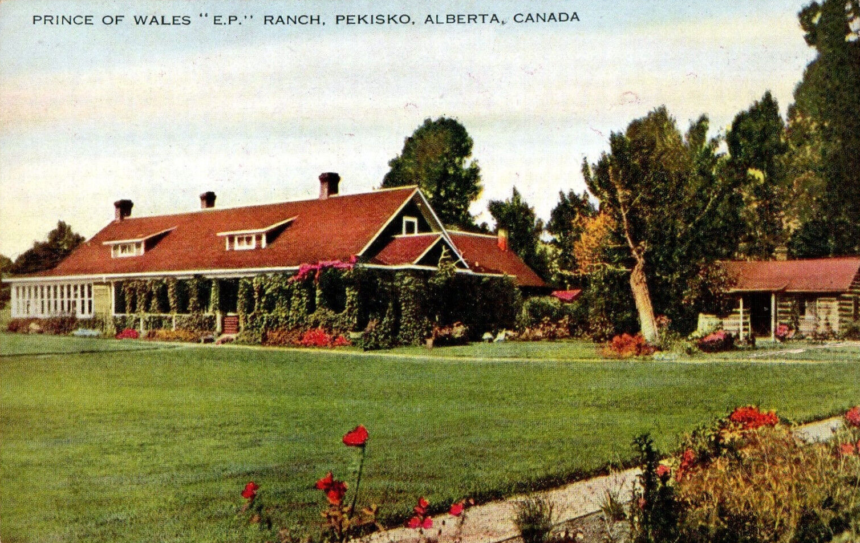
A glazed verandah, an open porch and a stone fireplace were added to a log ranch house beside Pekisko Creek in 1927, built for a man who owned the place for 43 years and visited it only a handful of times. He was Edward, Prince of Wales, later King Edward VIII, and the E.P. Ranch near High River was his.
Key facts
- Edward, Prince of Wales, bought the E.P. Ranch in 1919 from the Bedingfeld family and kept it until 1962, according to Canada’s Historic Places.
- Frank Bedingfeld established the original ranch in 1886, according to Canada’s Historic Places.
- Wikipedia records a 1919 price of $130,000, covering the land, a half share in 168 square kilometres of leased grazing land, 400 horses and 150 cattle.
- Alberta designated the E.P. Ranch a Provincial Historic Resource on February 10, 2004, according to Canada’s Historic Places.
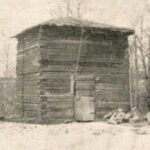
- The 41-hectare site beside Pekisko Creek holds three homestead log cabins from about 1886 to 1900 and a 1927 ranch house addition, according to Canada’s Historic Places.
A prince bought a working ranch with its stock
The ranch Edward bought in 1919 was already 33 years old. Frank Bedingfeld had started it in 1886, and the family held it until the sale. The $130,000 price reported by Wikipedia bought more than land. It included a half share in leased grazing land, 400 horses and 150 cattle. Edward then used the ranch as a model for breeding, with livestock imported from his properties in the United Kingdom, according to the register.
The buildings were put up before him and for him
Three homestead log cabins date from about 1886 to 1900. The 1927 addition is a wood-frame ranch house with a glazed verandah, an open porch and a stone fireplace, built for Edward. Around them the register lists a manager’s house, barns, workshops and corrals from the early 1900s to the 1930s. A working ranch needed the manager’s house and the barns, and the verandah was for the owner.
The owner kept the ranch for 43 years and came a handful of times
Edward visited several times in the 1920s as Prince of Wales and again in the 1940s and 1950s as Duke of Windsor, with his wife Wallis, according to the register. Wikipedia says the visits were few because royal duties took priority. He sold the ranch in 1962 to Jim Cartwright of the D Ranch. The 43 years is simple subtraction from the 1919 purchase and the 1962 sale.
The province protected the ranch’s link to Edward in 2004
Alberta designated the ranch a Provincial Historic Resource on February 10, 2004, for its heritage value and its association with Edward VIII. The site lies beside Pekisko Creek in the foothills near High River, where the 1927 verandah still faces the creek country.
Updated October 7, 2026. The earlier version gave a 1919 price of about $50,000, said the ranch was held for 37 years and listed specific visit years, an aide’s search for a ranch and an unscheduled stop at the Bar U Ranch. The price and the 43-year holding are corrected, and the unverified details are removed.
Related from Alberta Tribune: Bar U Ranch and the Brand That Built Cattle Country · Calgary Built Its Fire Hall for Trucks and Kept the Horses · The Oil Engineer Who Built Canada’s Largest Seedstock Cattle Operation