

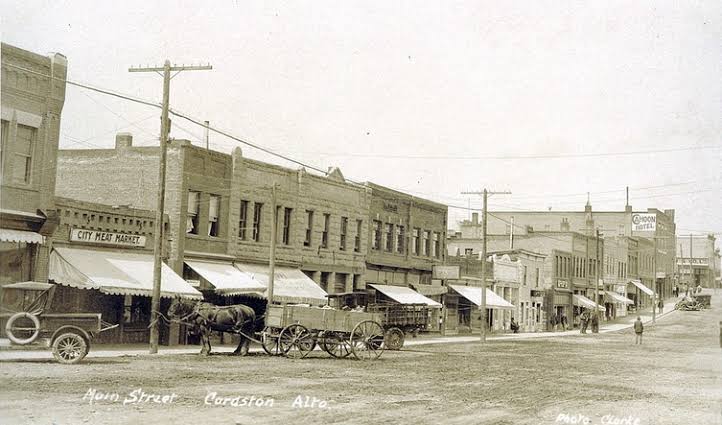
On Main Street in Cardston stands a one and one-half storey log house that Charles Ora Card built in 1887. Card led a Latter Day Saints party from Utah across the border that year, looking for land outside United States jurisdiction, and the settlement that grew around his house became the town of Cardston.
Why a Mormon migration north happened at all
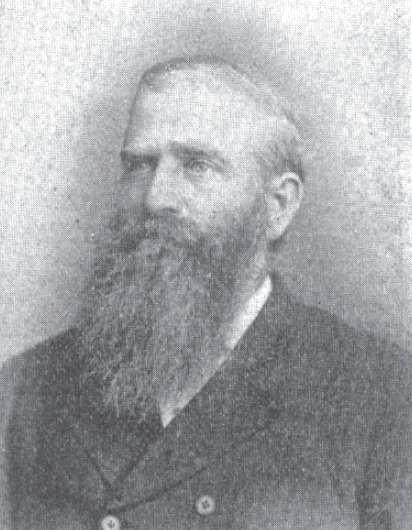
The 1880s in Utah were difficult years for the Latter Day Saints movement. The 1862 Morrill Anti-Bigamy Act and the 1882 Edmunds Act had criminalized plural marriage and put significant pressure on Mormon families and leadership. Charles Ora Card, who had been imprisoned under the Edmunds Act, was authorized by Church President John Taylor in 1886 to lead an exploration of possible settlement locations outside United States jurisdiction.
Card led an initial party north into the western Canadian foothills in late 1886. The party identified the area along Lee’s Creek south of Fort Macleod as suitable for agricultural settlement. By June 1887, Card had returned with a larger group of families and the formal settlement of what became Cardston had begun.
What the settlement brought
- Card founded the town of Cardston and was responsible for the first Mormon stake in Canada
- Between 1887 and 1905 he helped establish an irrigation system, a gristmill, a sawmill, a cheese factory and the Cardston Mercantile Company
- His house was the focal point for Mormon expansion in Canada and the social centre of the settlement
- Cardston later became the location of the first LDS temple built outside the United States, completed in 1923
The house itself
The 1887 C.O. Card House is a one and one-half storey log building at 337 Main Street in Cardston, built as a residence for Card’s family. Horizontal log construction, brick and stone chimneys and stone fireplaces are among its character-defining elements, and a porch was added around 1889.
In 1937, during the community’s Golden Jubilee, the house was dismantled, cleaned and reassembled. It was recognized as a Provincial Historic Resource on January 18, 1978, and is listed on the Canadian Register of Historic Places as Site ID 5743. It is maintained today as a museum.
Why this house anchors southern Alberta
The Latter Day Saints migration to southern Alberta in 1887 is one of the most consequential single demographic events in the early history of the province. The Cardston settlement brought agricultural know-how from the American west and a strong communal tradition, and its builders put money and labour into irrigation works.
Card was the central figure of the settlement, and the house he built in 1887 was its focal point. Walking into it today gives a direct connection to a founding moment that still shapes southern Alberta, well over a century later.
If you have not been to Cardston, the house and the nearby temple are worth the drive from Calgary or Lethbridge. The country south of the Belly River carries a particular character that goes back to the families who arrived with Card in 1887. The house is the first chapter.
Related reading from the series. Fort Macleod and the first NWMP outpost in southern Alberta. Cochrane Ranche and how Alberta’s ranching industry got off the ground.