

More barrels fewer jobs and a harder truth for Alberta
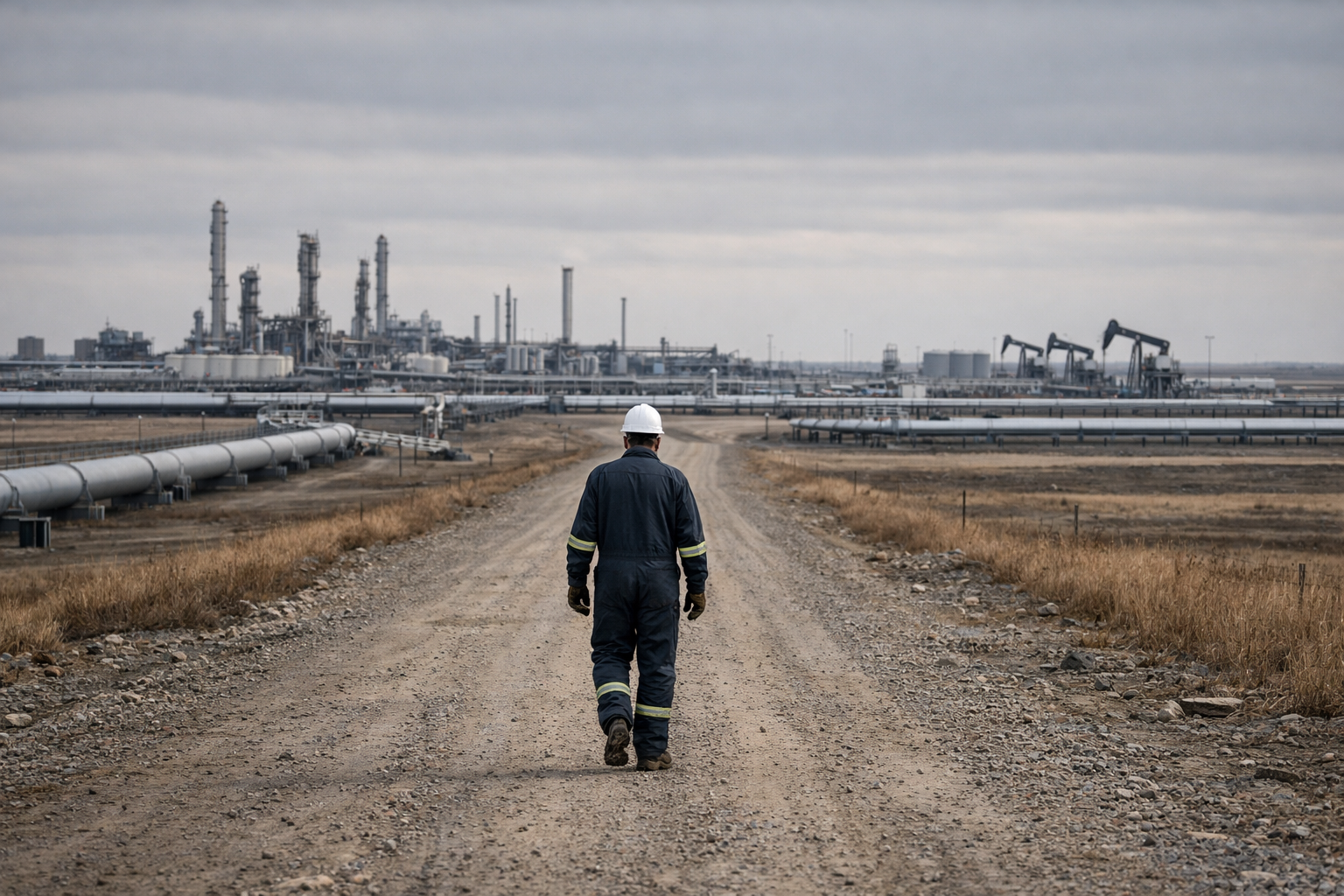
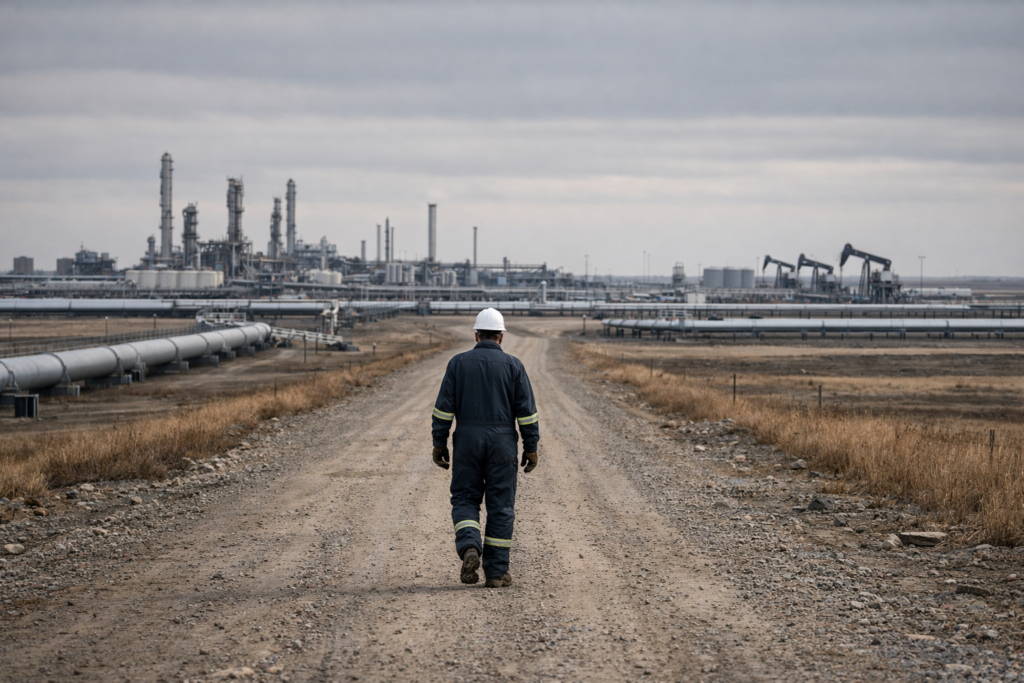
Alberta’s oil and gas sector produced more barrels in 2025 than ever before. At the same time, employment in the industry declined by roughly 10,000 positions.
Those two facts are not in conflict. They describe a structural shift that has been underway for years and is now impossible to ignore.
This is not a story about decline in energy output. It is a story about how energy gets produced in a modern economy.
Productivity replaced labour not demand
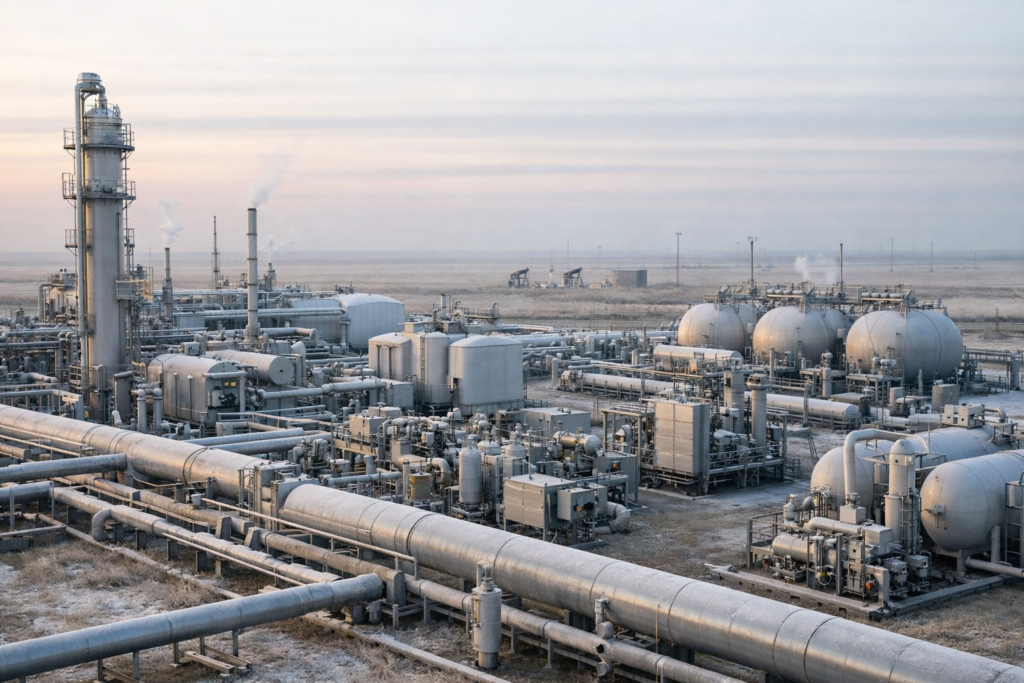
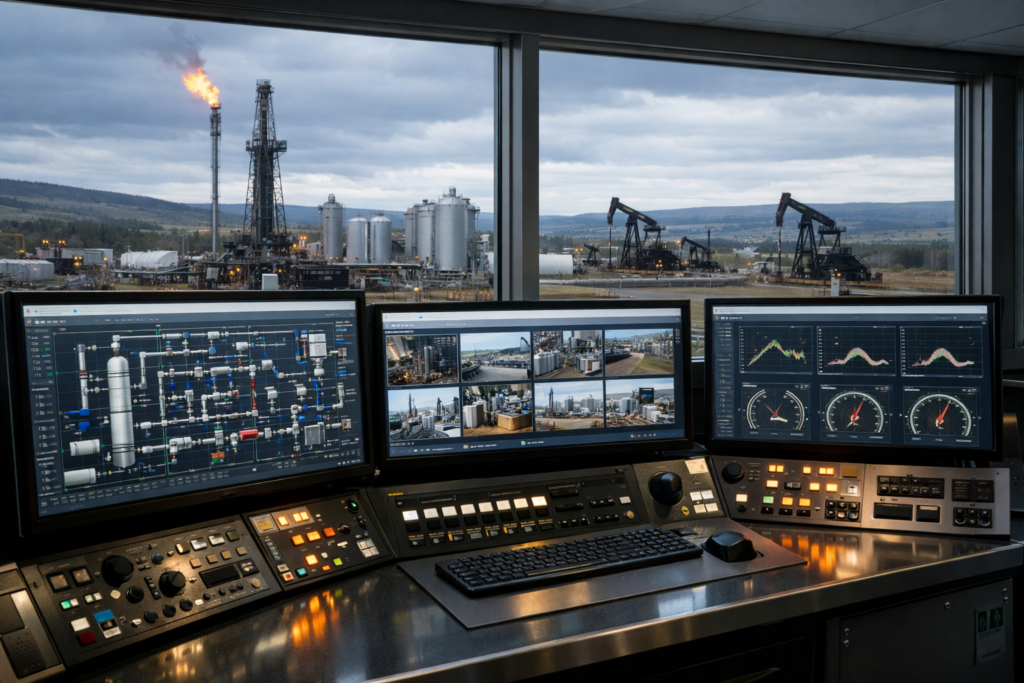
Oil and gas companies operating in Alberta have spent the last decade rebuilding themselves to survive volatile prices, tighter margins, and global competition. Automation, remote operations, advanced drilling techniques, and data driven decision making now allow producers to do more with fewer workers.
This trend is not unique to Alberta. It is visible across North American energy markets. Fewer people are required per barrel produced than at any point in the past.
Higher output with lower employment is the result of efficiency, not abandonment. Companies that failed to adapt no longer exist. Those that did are producing more with leaner workforces.
The employment model has changed even if politics has not
Public debate often treats oil and gas employment as if it still follows the same pattern it did fifteen years ago. Higher prices were expected to bring back large job numbers. New projects were assumed to restore previous employment levels.
That assumption no longer holds.
The modern oilpatch relies more on technology, specialized skills, and capital intensity than large scale labour. Many of the jobs that disappeared were not replaced because the work itself changed.
Policy discussions have been slower to adjust. Training systems, workforce planning, and public messaging still lean on outdated expectations. That gap leaves workers caught between reality and reassurance.
What a practical response actually looks like
A serious response starts by acknowledging what has changed.
Trying to force companies to operate less efficiently would only drive investment elsewhere. Alberta competes in a global market. Productivity keeps capital here and royalties flowing.
At the same time, governments that benefit from energy revenues cannot ignore the workforce consequences. Workers need access to retraining that reflects real industry demand. Skills developed in the oilpatch should translate more easily into adjacent sectors like technology, advanced manufacturing, and infrastructure.
Diversification does not mean walking away from energy. It means making sure Alberta workers can move with the economy rather than being left behind by it.
Why this conversation matters now
Alberta’s energy sector remains strong. Record production proves that. But strength without honesty creates risk.
Measuring success only in barrels ignores the human side of economic change. Promising job recoveries that automation has already replaced erodes trust. Planning for the future requires acknowledging how the industry actually works today.
This is not an argument against oil and gas. It is an argument for realism.
If Alberta wants long term prosperity, it must stop pretending yesterday’s employment model is coming back and start preparing workers for the one that already exists.