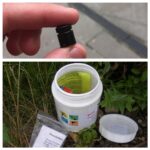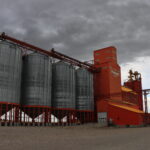
Drive across Alberta and you already see infrastructure that never needed a stadium-sized campus to work: wellsites, compressor stations, substations and fibre lines running out to farms that nobody announced at a press conference.
Key facts
- Modular edge computing means container-sized sites spread across Alberta instead of one hyperscale campus.
- Alberta’s major projects registry lists at least 17 projects with data centre in the name, including Meta’s Sturgeon County campus, Beacon’s Indus hub and Malachite One, as of October 2026.
- The Alberta Utilities Commission rejected a gas plant meant to power a data centre near Olds on August 17, 2026, finding the site too close to the surrounding community.
That is worth remembering every time a new AI data centre gets pitched as a single gigawatt campus dropped beside a town of a few thousand people. Alberta could lead in AI without putting a hyperscale campus next to every rural community that happens to be zoned for one.
An Alternative Nobody Has Fully Priced Out
The concept is modular edge computing, sites roughly the footprint of a shipping container instead of hundreds of acres of hyperscale hall. Spread across the province and built close to the industries already here, smaller sites could put computing power near farms, energy operations and rural communities rather than concentrating everything inside one enormous campus with one enormous water and power bill attached.
This is a proposal and no more. But the pieces it would draw on, rural fibre, existing substations, oilfield service companies used to remote maintenance work, already exist across the province.
What Alberta Already Has To Work With
Alberta’s major projects registry lists at least 17 projects with data centre in the name, among them hyperscale campuses with dedicated gas plants. The Alberta Utilities Commission has already turned down a gas plant meant to power a data centre near Olds, a reminder that the biggest projects carry the biggest approval risk.
Smaller, distributed sites would not eliminate that approval process. But a single shipping-container-scale installation draws a fraction of the water, power and land that a gigawatt campus needs, which should mean fewer community objections. Agriculture, industrial monitoring, local processing and rural AI services are the kind of workloads that do not need a hyperscale campus to run well.
The Hard Questions Do Not Disappear
Power demand, cooling, cost and ownership questions do not go away just because a site is smaller. Albertans should demand clear answers on all of them before supporting any project, distributed or hyperscale. Nobody benefits from trading one set of unanswered questions for another set at a smaller scale.
But rejecting massive data centres does not mean Alberta has to sit out the AI economy entirely. The province built its energy sector by adopting new technology and infrastructure on its own terms. Smaller sites, spread across the province, built around the industries and communities already here, is one version of what that could look like for computing.
Correction, October 10, 2026. An earlier version cited 167 data centre proposals and about 20 running. That count could not be confirmed against the provincial registry, which lists at least 17 projects with data centre in the name. The text now uses the registry.