

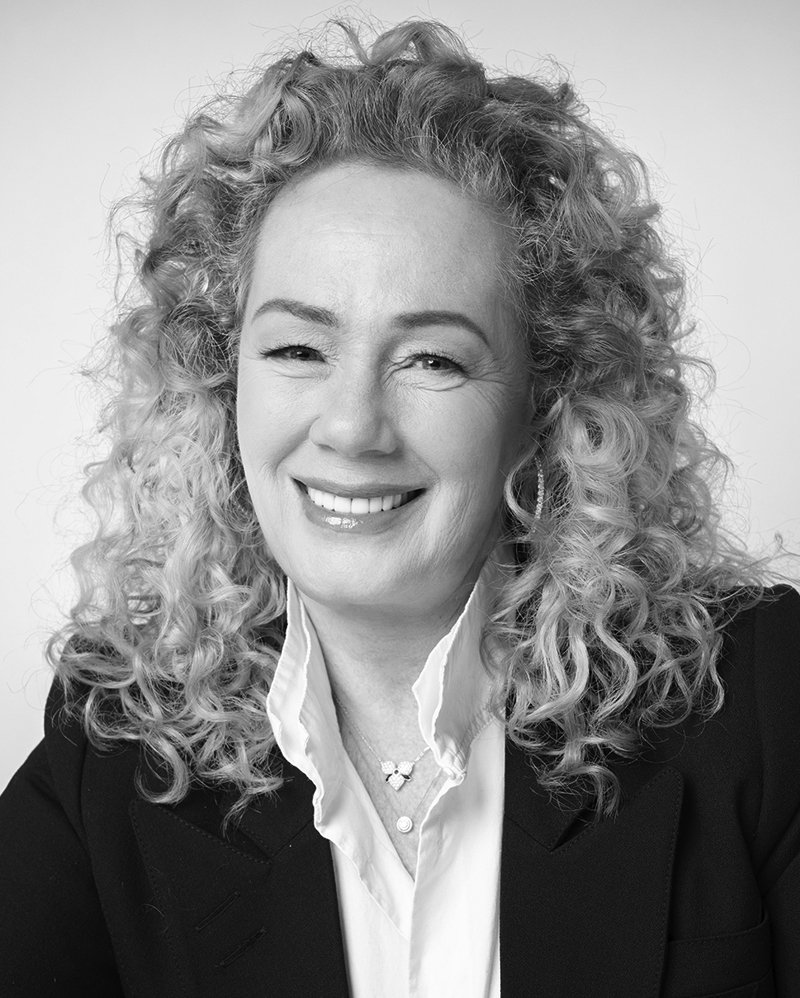
Most Canadians know Arlene Dickinson from a television set, sizing up pitches on Dragons’ Den. Fewer may know how much of her real work happens off camera, building companies in Alberta’s food and health sectors. In 2023, that full body of work earned her a place in the Southern Alberta Business Hall of Fame, an honour that looks past the television persona to the entrepreneur who built it over a career spanning multiple industries and decades.
A Venture Capitalist With a Food and Health Focus
Dickinson describes herself as a serial entrepreneur, and her current role backs that up. She is General Partner of District Ventures Capital, a venture capital fund built to help market, fund and grow entrepreneurs and their companies in the food and health space, according to her Junior Achievement Southern Alberta laureate profile. That work extends her business career well beyond the boardroom appearances most Canadians associate with her name, putting her capital and her judgment directly behind founders trying to build the next generation of Canadian food and health brands.
Author, Podcaster and Television Dragon
Dickinson is a three-time best-selling author, a podcaster and an accomplished public speaker. She is best known for her role as a Dragon and venture capitalist on the multi-award-winning series Dragons’ Den, a role she held for more than 14 seasons. That national platform has made her one of the most recognizable faces in Canadian business, and one closely tied to Alberta’s entrepreneurial reputation. Fourteen seasons is a long run for any television role.
Decades of National Recognition
Dickinson’s leadership has been recognized repeatedly. She was inducted into Canada’s Most Powerful Women Top 100 Hall of Fame, received the Pinnacle Award for Entrepreneurial Excellence, and was named to both PROFIT and Chatelaine’s Top 100 Women Business Owners lists. She is a Marketing Hall of Legends inductee and a recipient of the Queen Elizabeth Diamond Jubilee Award. Dickinson has also served for many years as an Honourary Captain in the Royal Canadian Navy, a role that sits somewhat apart from her business career but speaks to the same sense of public service that runs through her philanthropic work. She currently sits on several public and private boards and remains actively involved in supporting her community and her country. The honours span marketing, entrepreneurship and public service.
For an organization built to introduce young people to entrepreneurship, Dickinson’s career offers a useful lesson: a national television profile can open doors, but it is the fund, the books and the board work behind the scenes that actually build companies. That combination of visibility and substance is a likely reason the Southern Alberta Business Hall of Fame chose to recognize her alongside the region’s other business builders.
Southern Alberta’s business community has never lacked for oil and gas success stories, but Dickinson’s induction points to a different kind of Alberta export: a marketing and venture capital voice that Canadians recognize from coast to coast. Her food and health investments through District Ventures Capital also connect her career back to a part of the economy that rarely gets the same attention as energy or finance, even though it touches every grocery aisle in the country. That willingness to build in an underappreciated sector, while still keeping one foot in national media, is part of what makes her Hall of Fame recognition distinct from many of her fellow laureates.
Dickinson is a household name across the country who still builds companies at home, and that combination is rarer than it looks.