The RCMP’s own page on its Alberta dispatch centres lists two centres, Edmonton and Red Deer, supporting 136 detachments and satellite offices. It lists an average of 2,500 calls a day. It lists no officer arrival time.
That gap is the story. The page describes how calls are taken, triaged and sent on. It does not say how long an officer takes to reach a caller.
Key facts
- Two RCMP operational communications centres serve Alberta, in Edmonton and Red Deer.
- They support 136 detachments and satellite offices, Alberta Sheriffs traffic units and some municipal police agencies.
- The centres receive an average of 2,500 calls a day, and evenings and weekends are busiest.
- Mobile geolocation usually gives officers a 30 km radius, according to the RCMP.
- The Alberta RCMP polices about 95% of the province’s geography and serves roughly 40% of its population.
- The dispatch page reviewed gives no officer arrival or response time.
- 310-RCMP, a province-wide non-emergency line, launched in April 2025.
The page counts calls, not arrivals
Operators take the call, enter the details and judge what service is needed. Dispatchers then send the file to officers. The RCMP says the operator is often not in the area the caller is phoning from, so the operator relies on what the caller says about where they are.
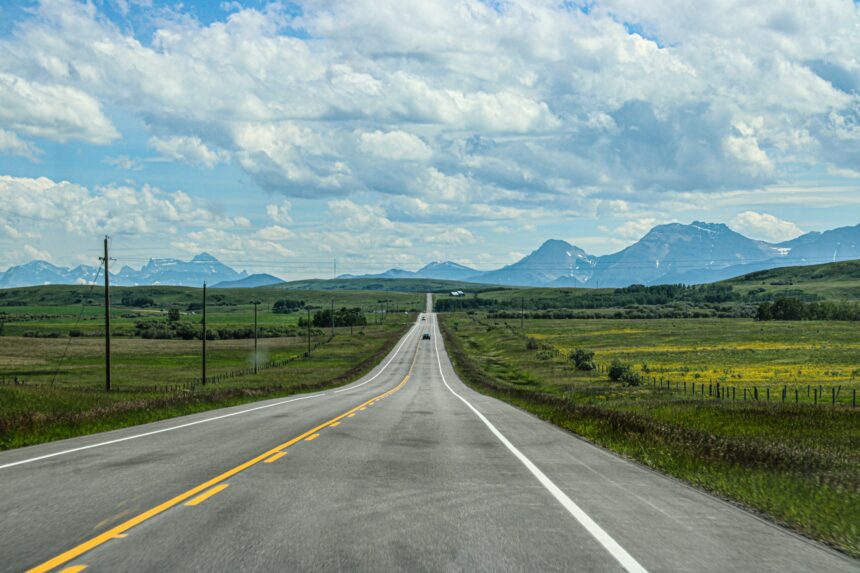
Thirty kilometres is a wide search area
The RCMP says mobile geolocation usually gives officers a 30 km radius. Tribune arithmetic: a circle with a 30 km radius covers about 2,800 square kilometres. The RCMP adds that a vague location can greatly increase the time it takes an officer to find someone.
A hung-up 9-1-1 call can take operators 3 to 5 minutes or more to process, the RCMP says. That is operator handling time, not patrol time, and it sits in the same queue as every real call.
Rural coverage runs through one contract
Under the Provincial Police Service Agreement, the RCMP polices rural areas and communities under 5,000 people. The agreement runs from April 1, 2012 to March 31, 2032, according to the Alberta RCMP policing cost page. The provincial minister sets provincial priorities. Detachment commanders set local ones in consultation with communities. The province is invoiced for 70% of the cost and the federal government covers 30%.
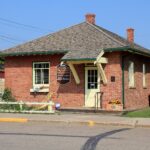
Staffing questions follow the same map. Earlier Tribune coverage of Calgary’s police staffing plan shows how a city counts officers. The rural count is harder to see, and a 1922 police barracks at Coleman is a reminder that Alberta has long policed distance with a few people.
What a rural caller can do now
The RCMP launched 310-RCMP in April 2025 as a province-wide non-emergency line. The force says it is designed to cut unnecessary 9-1-1 calls and move reports that need no officer at the scene to its Call Back Unit.
A caller who gives an exact address or a named landmark gives the dispatcher a point to send an officer to. A caller who gives only a general location leaves the officer with a 30 km circle. Each minute spent locating the caller is a minute the patrol is not at the door.