


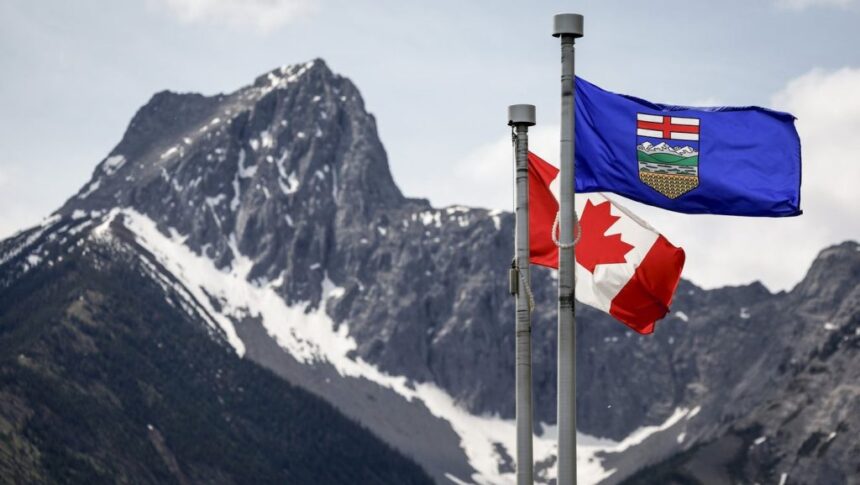
For decades, Alberta has powered a significant share of Canada’s economic growth. From energy exports to agricultural output, this province generates billions in GDP, tax revenue, and employment that benefit the entire federation. Yet many Albertans continue to ask a direct question about Ottawa Alberta relationship and whether true partnership exists in practice.
- Alberta’s Contribution to the National Economy
- Federal Energy Policy and Regulatory Friction
- Fiscal Imbalance and Equalization Concerns
- Provincial Authority and Constitutional Jurisdiction
- What a Real Federal Partnership Would Require
- Frequently Asked Questions
- How much does Alberta contribute to the Canadian economy each year
- What did the Supreme Court say about the Impact Assessment Act
- Why do some Albertans oppose the equalization formula
- What is the Alberta Sovereignty Within a United Canada Act
- Can federal and provincial governments resolve these tensions
- A Practical Path Forward
That question is not rooted in grievance. It is rooted in fiscal reality, investment certainty, and the future of working communities across this province.
Alberta’s Contribution to the National Economy
Alberta remains one of Canada’s largest net contributors to federal revenues. According to Statistics Canada, Alberta consistently ranks among the top provinces in GDP per capita, driven largely by the oil and gas sector, agriculture, and construction. In 2023, Alberta’s nominal GDP exceeded 400 billion dollars, representing a significant share of national output.
Energy exports are central to that contribution. Data from Natural Resources Canada confirms that crude oil and natural gas remain among Canada’s top export categories, with Alberta accounting for the majority of production. Federal policy affecting pipelines, emissions caps, and regulatory approvals therefore has direct consequences for provincial employment and investment.
The federal government’s proposed oil and gas emissions cap, first outlined in 2022 and advanced through Environment and Climate Change Canada, has raised concerns among industry groups including the Canadian Association of Petroleum Producers. Industry leaders argue that the structure of the cap could function as a production limit, which would affect output and long term capital spending.
Federal Energy Policy and Regulatory Friction
Tensions over federal energy policy are not new. The Impact Assessment Act, formerly Bill C 69, was passed in 2019 and significantly reshaped project approval processes. In October 2023, the Supreme Court of Canada ruled that parts of the Act were unconstitutional, stating that certain provisions exceeded federal authority over natural resources.
That decision reinforced Alberta’s long standing position that natural resources fall under provincial jurisdiction under Section 92A of the Constitution Act, 1867. The Government of Alberta has repeatedly emphasized this point in official submissions and public statements.
Policy uncertainty carries economic consequences. According to Statistics Canada investment data, capital expenditures in the oil and gas sector declined sharply between 2014 and 2020. While global price volatility played a role, industry analysts have pointed to regulatory unpredictability as a contributing factor to reduced investor confidence.
For workers in Fort McMurray, Grande Prairie, and Strathcona County, this debate is not theoretical. It affects project timelines, job security, and local tax bases.
Fiscal Imbalance and Equalization Concerns
The debate also extends beyond energy. The structure of the equalization formula, administered by the federal Department of Finance, continues to generate concern among many Albertans. Alberta has not received equalization payments since the program’s inception in 1957, yet it contributes significantly to federal revenues that fund the program.
In the 2021 provincial referendum, 61.7% of voters supported removing equalization from the Constitution. While the referendum was not legally binding, it reflected ongoing dissatisfaction with the perceived fiscal imbalance in Canada.
Federal officials argue that equalization is designed to ensure reasonably comparable public services across provinces. Critics in Alberta contend that the formula fails to account for the volatility and capital intensity of resource based economies.
A durable partnership requires transparency. Clear reporting from the Department of Finance Canada and open federal provincial dialogue are essential to maintaining confidence in Confederation.
Provincial Authority and Constitutional Jurisdiction
In 2022, the Alberta Legislature passed the Alberta Sovereignty Within a United Canada Act. The legislation, formally known as Bill 1 of the 31st Legislature, provides a framework for the province to respond to federal initiatives it deems harmful to provincial interests.
Supporters view the Act as a constitutional assertion of provincial authority. Critics argue it risks legal confrontation and uncertainty. What is clear is that the legislation emerged from years of accumulated frustration over how federal decisions affect provincial jurisdiction.
The broader issue is how federalism functions in practice. Section 92A grants provinces authority over non renewable natural resources. The Supreme Court ruling on the Impact Assessment Act reaffirmed limits on federal reach. Those constitutional boundaries matter.
If policy development consistently sidelines producing provinces, trust erodes.
What a Real Federal Partnership Would Require
A functioning Canadian federalism model requires structured consultation before major regulatory shifts. It requires impact assessments that include provincial economic modelling. It requires acknowledgment that resource revenue funds hospitals, schools, and infrastructure across Alberta communities.
Practical conservatism does not demand conflict. It demands predictability, respect for jurisdiction, and evidence based decision making. Federal departments such as Environment and Climate Change Canada and Natural Resources Canada have a responsibility to engage meaningfully with provinces whose economies are directly affected by national policy.
Albertans are not asking for special treatment. They are asking for consistent application of constitutional principles and transparent fiscal arrangements.
Frequently Asked Questions
How much does Alberta contribute to the Canadian economy each year
Alberta’s GDP exceeded 400 billion dollars in 2023 according to Statistics Canada. The province consistently ranks among the highest in GDP per capita and is a leading exporter of crude oil and natural gas.
What did the Supreme Court say about the Impact Assessment Act
In October 2023, the Supreme Court of Canada ruled that significant portions of the federal Impact Assessment Act were unconstitutional because they exceeded federal jurisdiction over provincial resources.
Why do some Albertans oppose the equalization formula
Critics argue that the formula does not reflect the volatility and capital investment requirements of resource based economies. The 2021 referendum showed majority support for removing equalization from the Constitution, though it was not binding.
What is the Alberta Sovereignty Within a United Canada Act
Passed in 2022 as Bill 1, the Act allows Alberta to push back against certain federal initiatives it believes intrude on provincial jurisdiction, particularly in areas such as natural resources.
Can federal and provincial governments resolve these tensions
Yes, through structured intergovernmental negotiations, transparent fiscal reporting, and adherence to constitutional divisions of power. Effective federalism depends on cooperation grounded in law and mutual economic interest.
A Practical Path Forward
Alberta’s prosperity strengthens Canada as a whole. Energy workers in Cold Lake, farmers near Lethbridge, and small business owners in Red Deer contribute to national growth every day. Federal policy must reflect that reality.
Partnership requires consultation before regulation, constitutional clarity before expansion of authority, and fiscal transparency before redistribution. If Confederation is to endure, it must work for producing provinces as well as consuming ones.