

About 9,000 surface rights applications landed at Alberta’s Land and Property Rights Tribunal in the 2025-26 year, the highest count the tribunal has ever recorded. Compensation directed to landowners over that same year came in above $44 million, up from $29.8 million the year before. Those two numbers moving together tell a specific story, and it isn’t the one that gets told in a press release announcing a new panel.
What a Surface Lease Actually Is
The mechanics here are simpler than the tribunal’s name makes them sound. An energy company negotiates a surface lease with the farmer or landowner sitting above a mineral deposit, and in exchange for putting a wellsite and an access road on that land, the company pays annual rental to the landowner. That arrangement can run for decades without incident. It falls apart the moment payments stop, whether because a company went under, changed hands, or simply quit paying and hoped nobody would chase it down.
The Part That Should Bother Every Landowner in the Province
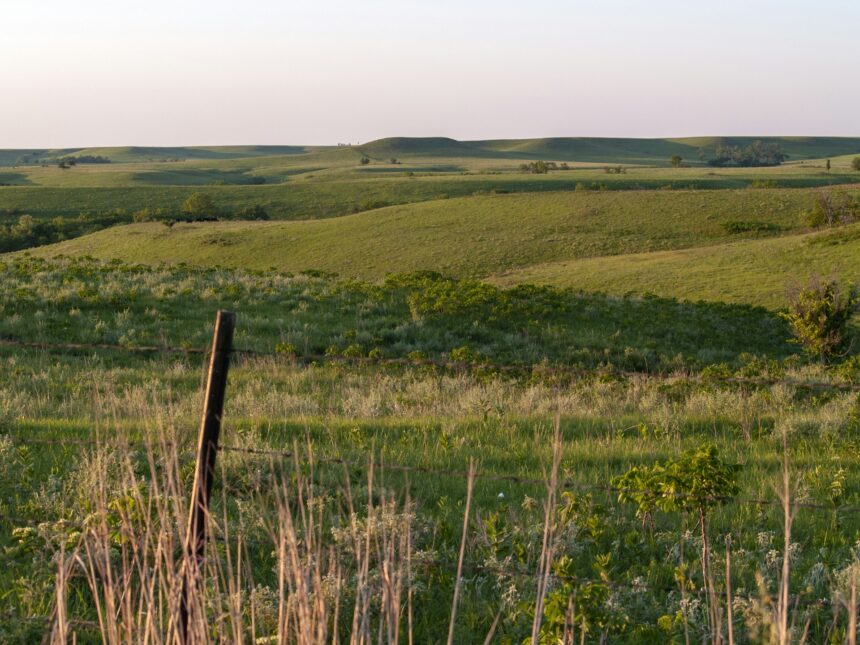
When payments stop, the landowner can apply to have the province step in, recover the money, and pursue the operator directly. That system exists and it does work, more or less, but look closely at who carries the burden inside it. The landowner did nothing wrong. They signed a lease in good faith, let a company put a well on their quarter section, and kept farming around it. Yet they’re the one who has to notice the payment didn’t arrive, gather the paperwork, file an application, and wait on a tribunal process to get money they were already owed under a contract they upheld their end of. A wellsite sitting quiet in a stubble field, rent unpaid for a season, is the kind of thing a landowner discovers by checking their own bank statement, not something anyone flags for them.
A New Panel Aimed at the Bigger Fix
The province set up a Surface Rights Advisory Panel this past Thursday, bringing landowners, agriculture representatives, rural municipalities, and industry to the same table. The stated goal is feeding recommendations into re-establishing the Surface Rights Board, a body that used to handle exactly this kind of dispute before the current system took over. Getting the right people in the room is a real step, and it beats the alternative of doing nothing while the application count keeps climbing. Alberta’s minister responsible for the file, Nally, said Albertans “deserve a surface rights system that works for them,” which is hard to argue with as a starting principle.
Where This Actually Gets Judged
A panel’s terms of reference and a well-attended announcement don’t move the needle on their own. Neither does a strongly worded quote from a minister, however sincere it is. The number that matters here is the one that will show up in next year’s tribunal report: does the application count come down from 9,000, or does it climb again. A drop would mean the underlying problem, companies not paying what they owe on time, actually got smaller. A number that holds steady or grows would mean the advisory panel produced good intentions and not much else, no matter how constructive its meetings were.
Rural Alberta has heard plans before that sounded right in the room and didn’t change much out on the land. This one has a built-in scorecard, which is more than most reform efforts get. The tribunal publishes its numbers every year, and next year’s release will say plainly whether the panel’s work translated into fewer landowners chasing rent they were always entitled to.
Will next year’s surface rights application count actually drop, or will Alberta be having this same conversation again in twelve months?