

Walk into almost any small museum in Alberta and you’ll find something remarkable. Maybe it’s a handwritten letter from a homesteader, a faded photograph of a town that barely exists anymore, or a map marked up by someone who helped build the province we know today.
These collections tell the real story of how people lived, worked, and built communities across this province. They’re scattered everywhere, from major institutions like the Glenbow Museum to tiny community archives run by one or two dedicated volunteers.
But here’s the problem. Much of this history is at risk of being forgotten, not because we don’t care, but because the systems we use to preserve it are struggling to keep up.
The Volunteers Who Hold History Together
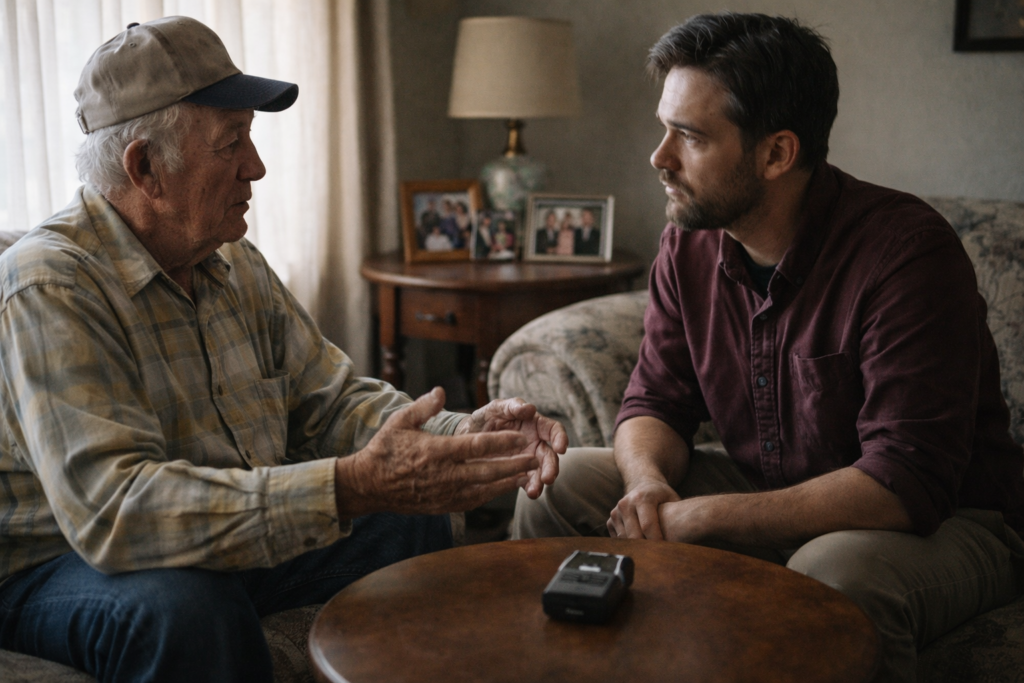
In towns across Alberta, local history depends on volunteers. These are the people who catalog collections, answer research questions, and share stories with visitors. They’re often the only ones who know where everything came from and why it matters.
The challenge is that volunteers are getting older and fewer people are stepping up to replace them. When someone who has spent decades working with a collection retires or passes away, we don’t just lose their help. We lose their memory and the context they carried in their heads.
There are details about artifacts that never made it into any database. Stories passed along in conversation. Connections between items that only one person understood. Once that knowledge is gone, it’s almost impossible to get back.
Funding Gaps and Storage Struggles
Money is another constant challenge. Heritage organizations across Alberta operate on tight budgets, which makes it hard to balance day-to-day operations with bigger projects like digitizing collections or upgrading catalog systems.
Many institutions are stuck in maintenance mode, keeping what they have but unable to make real improvements in how collections are shared or discovered.
Then there’s the physical space issue. Large museums often can’t take in new acquisitions because their storage is full. Smaller archives might not have climate-controlled space at all. Even when objects can be transferred between institutions, that doesn’t solve the backlog problem or make collections more accessible to the public.
Why Most Collections Remain Hidden
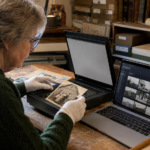
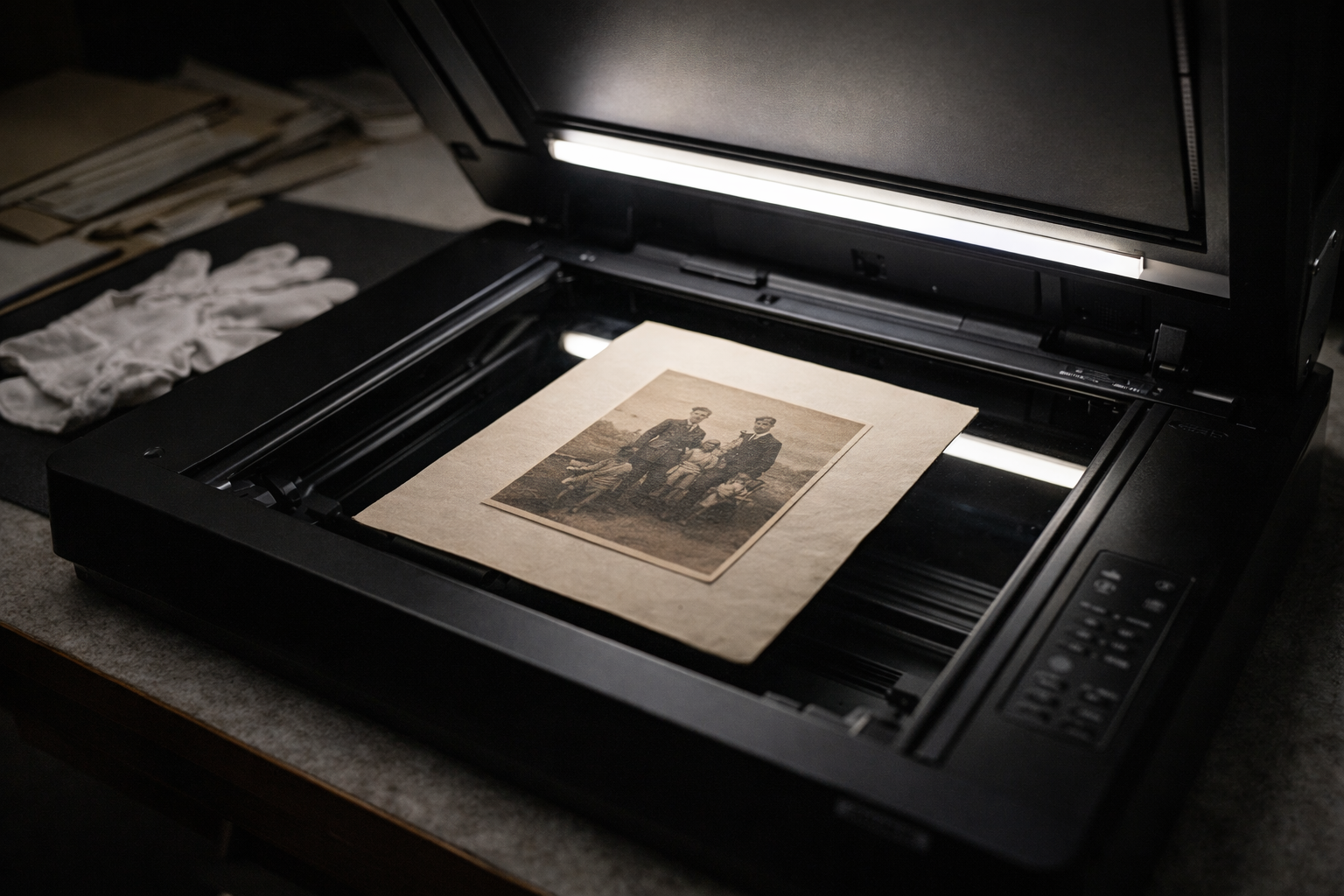
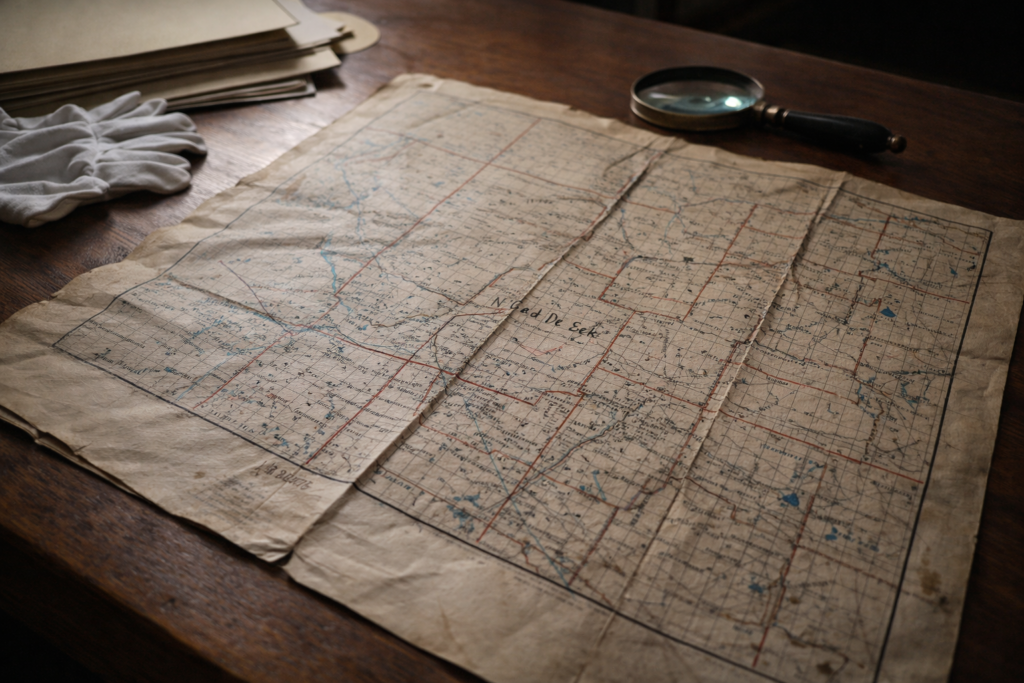
Digitization is supposed to be the answer. Scanning documents, photographing artifacts, and putting collections online should make Alberta’s history accessible to anyone with an internet connection. In practice, though, digitization is slow and expensive.
Most museums and archives don’t have the equipment, staff, or shared frameworks needed to digitize at scale. Studies of memory institutions across Canada show that many dedicate less than 5% of their resources to digital preservation. The vast majority of collections remain offline and accessible only to people who can visit in person or who already know exactly where to look.
Making things worse, the systems that do exist don’t talk to each other. A letter in one archive and a photograph in another might be deeply connected, but unless a researcher already knows both exist, they’ll probably never find that connection. For students, families, and community members trying to explore their heritage, this is incredibly frustrating.
What Gets Lost When People Leave
The real risk isn’t just losing physical items. It’s losing understanding. Personal stories, oral histories, and informal knowledge often live with individuals rather than in any official record. When those people retire or pass on, the meaning attached to objects can disappear even if the objects themselves are preserved.
An artifact without its story is just a thing. Preservation isn’t only about keeping materials safe from damage. It’s about keeping them understandable and meaningful for future generations.
Technology as a Practical Solution
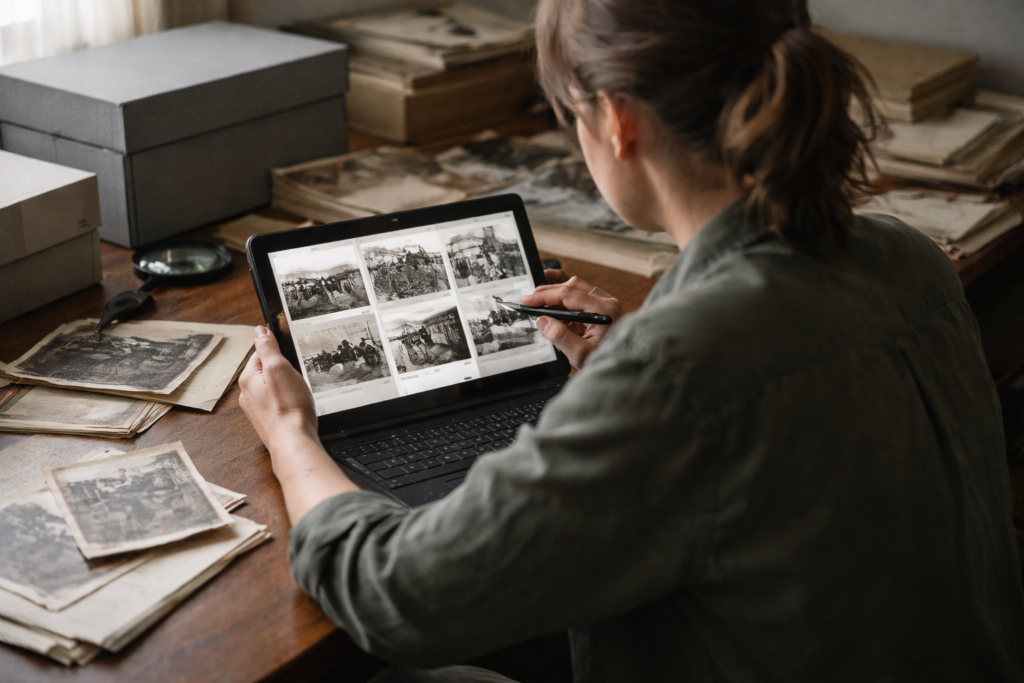
This is where modern tools can make a real difference. Digital platforms can transform archived material into formats that are easier to search, explore, and understand. Instead of leaving collections locked away in static catalogs built for specialists, we can make them accessible to everyone.
Artificial intelligence, used carefully, can help with tasks that would otherwise take years. Transcribing oral history recordings. Extracting text from handwritten documents. Linking related items across different collections. Making it possible for people to find what they need even when they don’t know where to start.
These tools aren’t meant to replace professional judgment or expertise. They’re meant to extend the work that archivists and historians are already doing, helping them accomplish at scale what would be impossible by hand.
FOLKLY and the Path Forward
FOLKLY is a storytelling and preservation platform built right here in Southern Alberta. The project that is powered by ORKA AI is designed to help museums, archives, historical societies, families, and communities preserve and share their stories without losing the context that makes them meaningful.
How the Platform Works
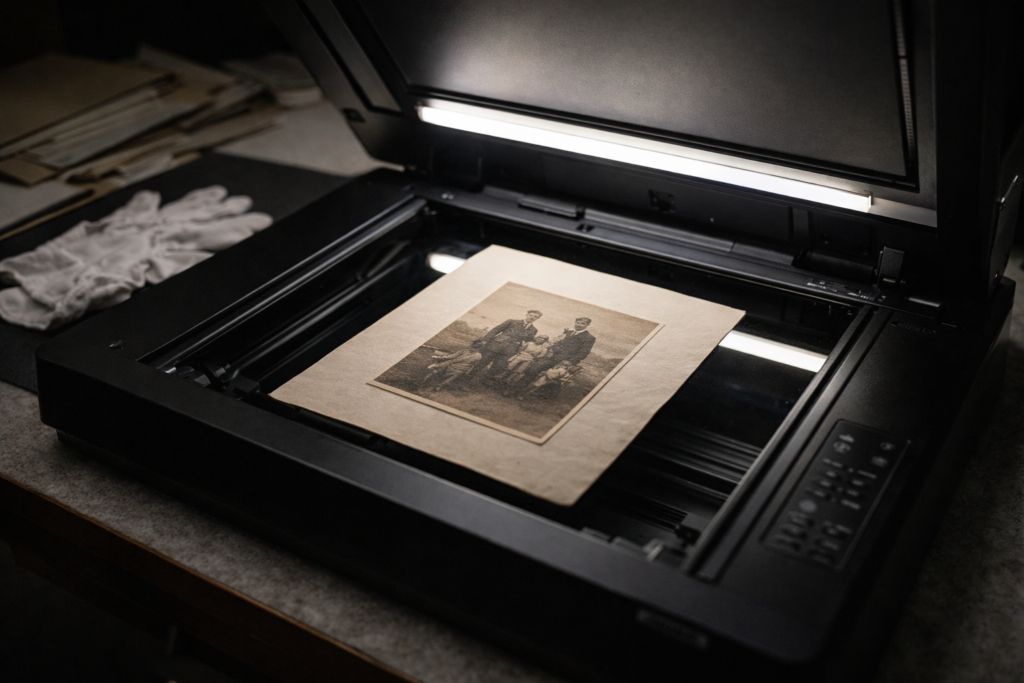
The platform uses modern technology to support existing preservation efforts. Optical character recognition and transcription tools can turn scanned documents and recorded interviews into searchable text. Structured metadata helps connect people, places, events, and artifacts across different collections. Storytelling features help translate archival material into digital exhibits, audio experiences, and online displays that work for classrooms, families, and the general public.
A letter becomes readable and searchable. An interview gets indexed and linked to related materials. An artifact keeps its story even after the person who remembered it is gone.
The goal isn’t to replace the expertise of historians and archivists. It’s to give them better tools to work with.
Making History Accessible Again
For Alberta’s history to remain accessible, we need to rethink how collections are connected and shared. That means building interoperable systems that allow archives and museums to link their holdings across institutions. It means using AI-assisted tools to organize and describe material so people can actually find it. It means creating digital exhibits that turn historical records into engaging experiences suitable for schools and families.
Most importantly, it means making it possible for communities to contribute their own stories and context before those memories are lost forever.
These changes can help move history from storage into use, from specialized archives into public hands.
Building Together
The FOLKLY team is based in Southern Alberta and actively looking for partners across the province. That includes museums, archives, historical societies, discovery centers, Indigenous and community-led organizations, municipalities, families, and private collectors.
The platform is being built with input from the people who know these collections best. The aim is to test, learn, and improve together rather than imposing solutions from the outside.
Protecting What Matters
Alberta’s heritage faces real challenges. Aging volunteers. Disconnected archives. Limited digitization. Storage constraints. Systems that make discovery difficult and often discouraging.
Without practical changes, much of this history will remain inaccessible or will lose its context over time. But there are solutions. Modern tools can help preserve not just objects but the stories and connections that give them meaning.
Alberta was built by people. Their letters, photographs, tools, and records deserve more than storage in the back room of a museum. They deserve to be discovered, understood, and shared with future generations.
The question isn’t whether we should preserve our heritage. It’s whether we’ll do it in a way that keeps it alive and accessible, or whether we’ll let it fade into collections that fewer and fewer people can reach.
That choice is ours to make, and the time to make it is now.