


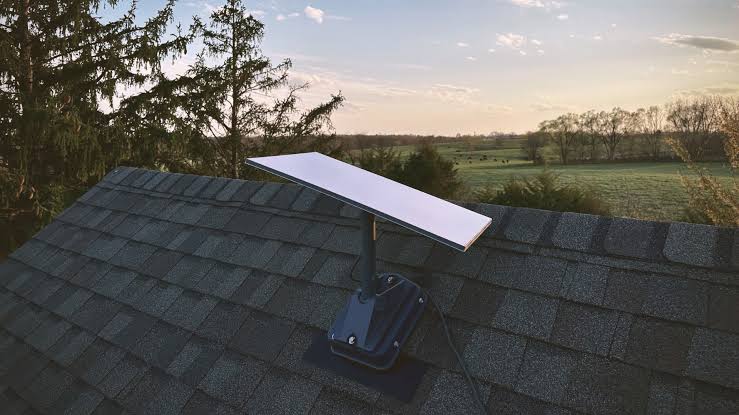
Satellite internet was supposed to be the fix for rural Alberta. For a lot of households, it has been. For plenty of others, it is a signal that drops the moment a storm rolls in.
A genuine win worth saying plainly
Low-earth-orbit satellite service changed the math for rural connectivity almost overnight, delivering real broadband speeds to farmyards that fibre was never going to reach economically. That part is a genuine win, and it deserves to be said plainly rather than buried under the complaints. A grid connection that used to top out at dial-up speeds now supports video calls and cloud-based farm management tools, and that shift happened in a handful of years, not a generation.
What it has not solved
What it has not solved is reliability during exactly the weather rural Alberta gets a lot of. Heavy snow load on a dish, a summer hailstorm, thick cloud cover during a work call, and the connection that was fine an hour ago is gone. For someone trying to run a business, attend school online or video call a doctor, an unreliable connection is barely better than no connection at all.
A patchwork, not a network
The honest picture is a patchwork. Satellite for the farmyard, spotty cell coverage on the road between there and town, and a fibre backbone built for a different era of demand entirely. Each piece works reasonably well on its own. None of them was designed to hand off to the others seamlessly, which means the weak link shifts depending on where a person happens to be standing that day.
What rural Alberta actually asked for
Rural Alberta did not ask to be a technology testing ground. It asked to be connected the same way everyone else already is, without needing three different fallback options for the one day a year the internet actually matters most, whether that is a harvest insurance deadline, a school exam or a call to 911.
What’s the one thing you still can’t reliably do online out here that people in the city take for granted?