

A framing crew in Airdrie did not set Ottawa’s counter-tariffs, but the bill will reach them through the lumber pile.
Key facts
- The Canadian Home Builders’ Association told members on August 25 that Canada would answer the new American tariffs with matching Canadian tariffs.
- CHBA puts the retaliation package at $27.6 billion across roughly 400 product lines, scheduled to take effect September 8.
- CHBA says the list covers steel, aluminum, softwood lumber, plywood, electrical components and tools.
- Alberta’s average new home price reached a record $736,519 in the second quarter, up 2.5% from a year earlier. We could not tie that figure to a primary release.
The Canadian Home Builders’ Association told its members on August 25 that Canada would answer the new American tariffs “dollar for dollar, rate for rate.” The package it described runs $27.6 billion and covers roughly 400 product lines. It is scheduled to take effect September 8. Scheduled is not in force, and that gap is the only part of this anyone can still act on.
Building materials sit on the list
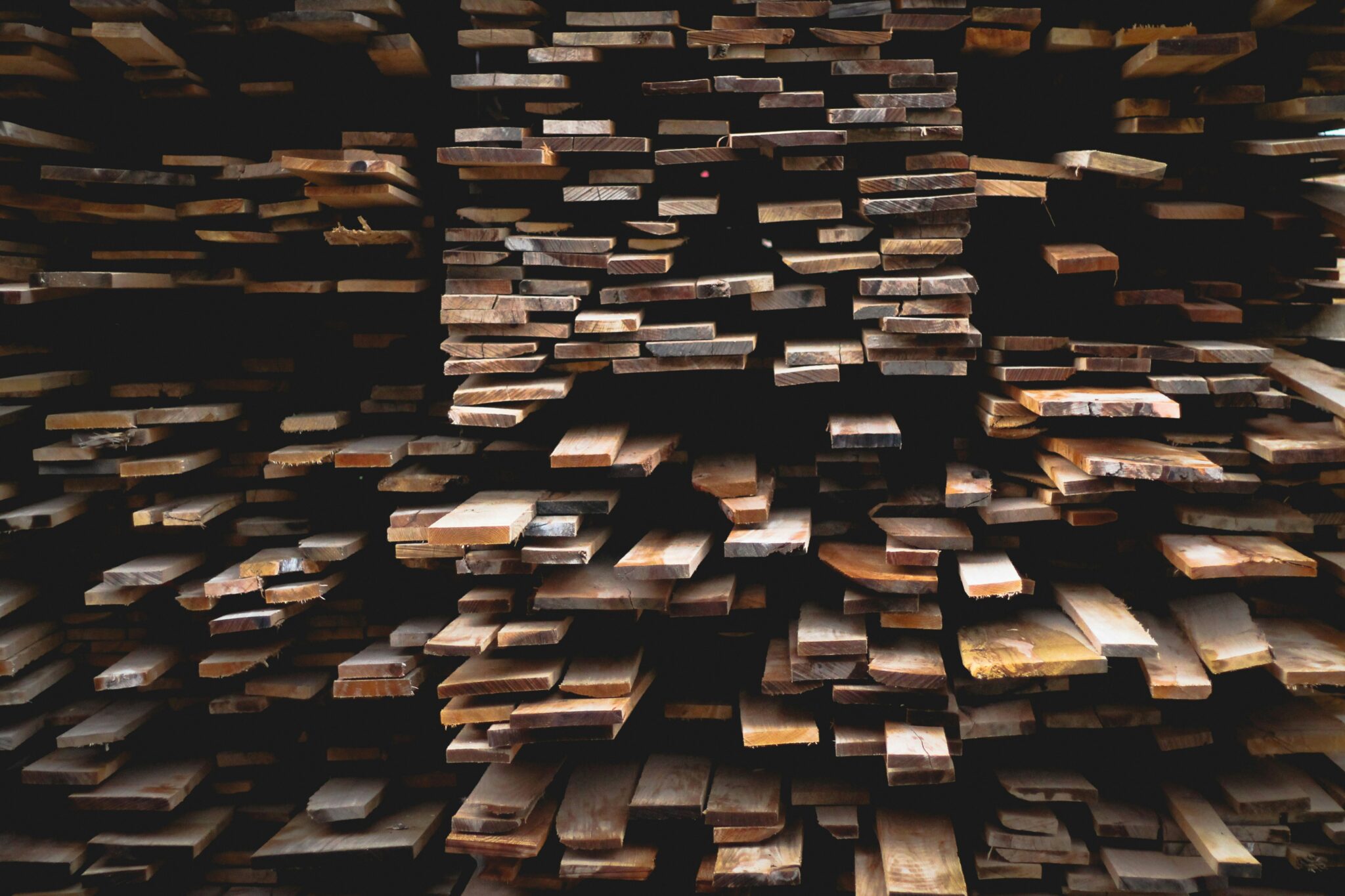
As CHBA describes it, the list includes steel and aluminum, softwood lumber, plywood, electrical components and tools. Rebar goes in the footings. Pipe runs under the slab. Fasteners hold the frame together, thousands of them in a single build. Plywood goes on the roof, and electrical components disappear behind the drywall.
That is most of a house on a federal retaliation list.
A tariff is paid further down the chain
A tariff is collected at the border and paid somewhere downstream. In residential construction that chain ends at a kitchen table where somebody signs a mortgage. The supplier issues a revised price sheet, the builder’s quote stops holding, and a trade on a fixed-price contract signed in June absorbs the margin. The buyer sees a bigger number at the bottom of the page weeks later.
The house was already expensive
Alberta’s average new home price reached a record $736,519 in the second quarter, up 2.5% from a year earlier, before any retaliatory tariff touched steel, lumber or wire. Ottawa’s tariff fight has already reached the grocery checkout one product line at a time, and a jobsite works the same way. The cost arrives as ordinary supplier pricing.
September 8 has not happened yet
Somebody with the authority to do it can still go down 400 product lines and sort the raw material of a house from the finished American product. Carving out steel, lumber, plywood, wire and fasteners would leave the counter-tariff aimed where it was meant to land. Builders and buyers in Grande Prairie should ask their MPs whether that review is happening, and the date to watch is September 8.
Related from Alberta Tribune: A Lower Mortgage Rate Won’t Hand You a Down Payment or a Home