


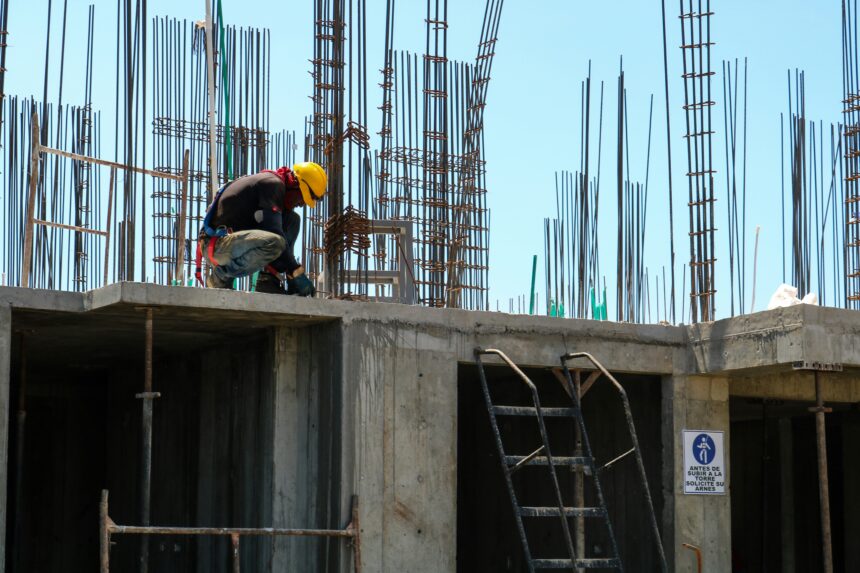
Every agenda item Canada now claims as a national priority, housing, pipelines, data centres, defence industry, rail, ends at the same bottleneck. Steel does not join itself, wire does not pull itself, and concrete shows up in trucks driven by people holding tickets. The country spent a generation treating those careers as a fallback for other people’s kids, and the bill for that snobbery is arriving exactly when the building boom is supposed to start.
Ottawa has noticed. Late April brought a federal program, five years and $6 billion deep, chasing 100,000 additional Red Seal certifications, sweetened by weekly $400 classroom-period top-ups that can reach $16,000 for each apprentice. On paper, welcome. In practice, a communiqué with a 2031 delivery date.
Alberta Funded Seats, Not Slogans
Compare the provincial approach. Alberta’s counterpoint arrived May 11 through Budget 2026, which directed $384 million at one school, NAIT, where apprenticeship capacity is growing by 5,500 seats. Funded now, enrolling now, producing journeymen on the ordinary apprenticeship clock rather than the ordinary federal one. Alberta has been training welders, electricians, pipefitters, millwrights and mechanics for a century, and treats the system as core economic infrastructure rather than a photo opportunity.
The distinction matters because trades capacity is a lagging asset. An announcement today produces a ticketed tradesperson years from now, after classroom seats, shop floors, instructors and employer placements all materialize. No country gets to order up millions of homes, new pipelines and a defence industrial base and then summon the workforce in the same year it is needed. It either built the pipeline of people a decade earlier or it imports the labour and exports the wages.
Respect Is Policy Too
There is a cultural correction buried in this file, and Alberta is ahead on that too. A first-year electrician apprentice in Edmonton earns while learning, graduates without student debt, and walks into a labour market desperate for the ticket. Set that against the four-year degree that ends in underemployment and a five-figure balance, and the trades stop looking like a fallback and start looking like the smart play. Guidance counsellors, parents and politicians are the last to update.
If Ottawa wants its $6 billion to matter, the route is unglamorous. Flow money through the provincial systems that already work, expand employer incentives so apprentices get hours, and measure success in completed tickets rather than enrolment press releases. Alberta’s model is sitting there, functioning, available for copying free of charge.
The economy still needs people who can build things. Alberta never forgot that. The rest of the country is welcome to remember along with it, preferably before the welding starts.
Would you point a seventeen-year-old toward a trade ticket or a degree right now? Tell us below.