


For three years Calgary buyers were told the same thing. Write the offer, drop the conditions, hope. That advice is now wrong in 97% of the city.
A report from the data firm Wahi looked at every Calgary neighbourhood with at least five home sales and found 97% of them sitting in underbidding territory. Homes are closing for an average of nearly $10,000 below the list price. Not listed low and bid up. Listed, then talked down.
That is what happened at the closing table, neighbourhood by neighbourhood, across almost the entire city.
Key facts
- BILD Calgary Region reports that Calgary posted three consecutive years of record housing starts through 2025, according to its August 2026 market update.
- BILD Calgary Region states that more than 20,000 homes were under construction in Calgary at the start of 2026, per the same BILD Calgary Region report.
- BILD Calgary Region says housing starts slowed somewhat in 2026 after those record years, as stated in its report on the Calgary housing market.
Calgary built its way here
There is no mystery about the cause, and there is no federal program to thank for it.
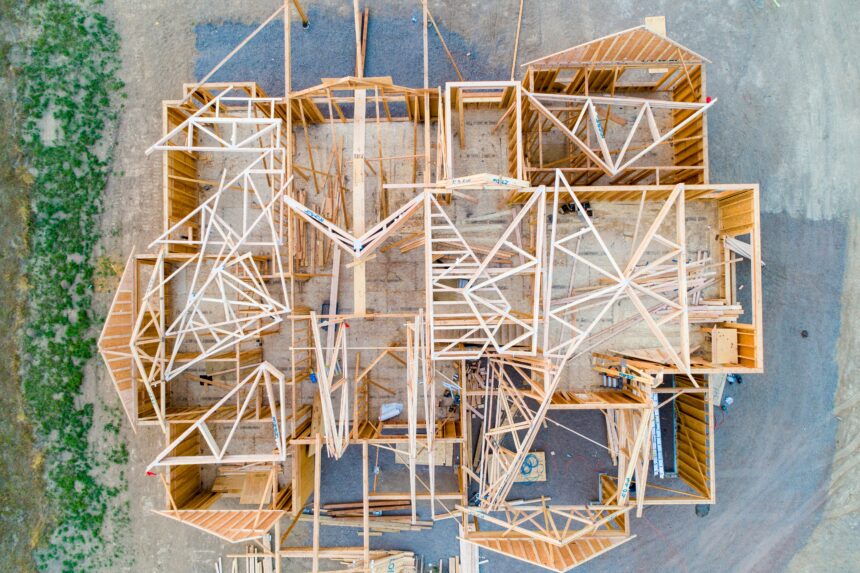
Calgary posted three consecutive years of record housing starts through 2025. At the start of 2026 there were more than 20,000 homes under construction inside the city. Twenty thousand. That is a small city’s worth of housing sitting at various stages of framing, drywall and final grade, all of it heading for a listing sheet at roughly the same time.
Starts have eased somewhat this year, which is what a market does once it stops running behind itself. The pipeline filled first. The prices followed. In that order, every time, in every housing market that has ever corrected.
Amie Blanchette, CEO of BILD Calgary Region, described increased supply as “one of the most effective long-term tools for improving housing affordability.” Nothing in that sentence would surprise anyone who has ever built something. It only sounds like a revelation in a country that spent a decade arguing about everything else.
The rest of the country argued about buyers
Think about where the national housing conversation actually went over the past ten years. First time buyer incentives. Mortgage rule adjustments. Savings accounts with matching contributions. Tax credits, purchase bans, rebate programs with application portals bolted to the side.
Every one of those measures shuffles money around on the demand side of a market that was short of the actual product. Hand more people more borrowing capacity in a city with too few homes and you have not fixed anything. You have made the lineup better funded.
Calgary did the unglamorous version instead. It let builders build, and it kept letting them build long enough for the volume to register. The outcome is a market where the buyer sets the terms, and it arrived without a single new federal acronym attached to it.
The leading edge showed up in March, when the Calgary housing market first started handing buyers a little negotiating room. What has changed since is the breadth. This is no longer a few soft pockets on the outskirts. It is 97% of the map.
What nearly $10,000 under list actually buys
It buys back everything buyers were forced to surrender.
Anyone who shopped for a house in this city between 2023 and last year knows the drill by heart. Listings up on a Thursday, offers due Sunday evening, and a real estate agent explaining that a clean offer means no conditions of any kind. Buyers were not negotiating. They were auditioning.
Conditions, for a start. A financing clause that means something rather than one included for decoration. An inspection with the power to end a deal. Time to walk through a house twice before committing to thirty years of payments, instead of once, in a hallway, with three other couples waiting on the front step.
The money is real too. Ten thousand dollars off the purchase price is the appliance package, the fence, the landscaping, and the first round of the things every new homeowner discovers in month four. For a family scraping toward a down payment, it is the difference between qualifying this year and trying again next year against a moving number.
The advantage is not permanent
Here is the part worth watching closely, because supply built this market and a shortage of it can take the market straight back.
Those 20,000 homes under construction get finished, sold and absorbed. Then the question becomes what is standing behind them. Starts have already slowed in 2026. Calgary keeps adding people. If the permit counter stalls, if levies climb, if approval timelines stretch out, the pipeline thins two and three years later, long after anybody stops connecting the two events.
Affordability in 2029 is being decided at a City counter in 2026. That is the lead time on a serviced lot.
The country spent years relearning something Alberta never had to unlearn. You cannot subsidize your way around a shortage of houses. While the debate ran, Alberta never stopped putting shovels in the ground, and the proof is now printed on the sale price of almost every neighbourhood in Calgary.
Buyers finally have room. The only way to lose it is to stop building.
Calgary’s construction pipeline is the affordability policy that actually worked, and it needs protecting before anyone goes looking for another program.
Related from Alberta Tribune: The Last Big City Where a First Home Exists