


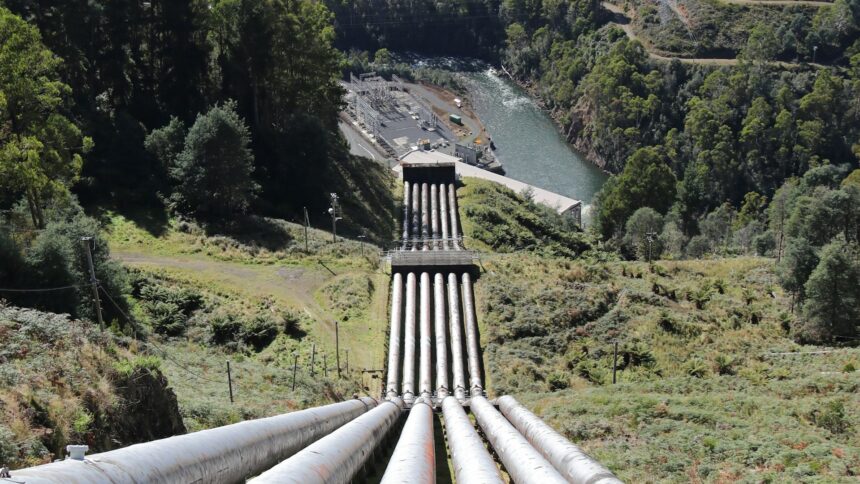
Three numbers tell the story of this pipeline. Kinder Morgan pencilled the expansion at $5.4 billion back in 2013. The federal government paid $4.5 billion for the whole asset in 2018. Getting it into service ran roughly $34 billion. Nobody disputes any of that anymore. What was never resolved is who ends up carrying the difference between the first number and the last one.
The File Sitting With the Regulator
That question is live at the Canada Energy Regulator as of July 8, when the Crown-owned operator brought forward terms it had hammered out with the shippers under contract. The package covers what they pay, on what schedule, under what service conditions. A decision is requested for October 1, with everything taking hold January 1, 2027. Shippers holding the bulk of contracted firm volume are signed on.
Among other things it would raise firm contracted capacity on the 890,000 barrel a day system from 80% to 90%, the change that squeezes the producers who cannot qualify for a long-term contract. That is one consequence. The tolls are the other, and they are the bigger one.
Tolls Decide Who Eats the Overrun
This is the part worth understanding, because it is where the money actually moves. Every dollar of cost overrun the shippers do not carry through tolls stays with the owner. The owner is the federal taxpayer, which means Albertans among everybody else.
The Parliamentary Budget Officer has already concluded the network is worth less than it cost to build, which puts a sale at a loss on the table whenever Ottawa decides to move it. A toll settlement that loads more of the recovery onto shippers improves that valuation. One that spares them worsens it. There is no version where the gap simply disappears.
The Other Half of the Ledger
Now the half of this that rarely makes a headline. Chemical friction reducers pumped into the crude, combined with upgrades at existing facilities, could reportedly push another 300,000 barrels a day through the same steel by late 2028. Something like 90,000 of that may land by the end of this year. No fresh right of way. No decade in hearings. No corridor fight with anybody. Just more Alberta crude reaching salt water on infrastructure that already exists.
An honest reckoning has to hold two facts in the same hand. This line is doing the thing it was built for, putting Alberta barrels on a coast at real volume for the first time. It also came in at more than six times the original private estimate, and that overrun did not evaporate because the oil started flowing.
Why This Matters for the Next One
In July the federal government committed to backing another line through much the same geography, under terms of passage negotiated without Alberta in the room. If you want a preview of how that one gets run, skip the press releases. Read what the regulator does with these tolls.
Cost discipline on a Crown-owned pipeline is not an accounting footnote. It is the entire question of whether the next one gets built for what it is supposed to cost, or whether Canada repeats the exercise and calls the result a success because the oil eventually moved.
Should Ottawa sell the line at a loss to clear it off the public books, or hold it until the tolls prove out?