
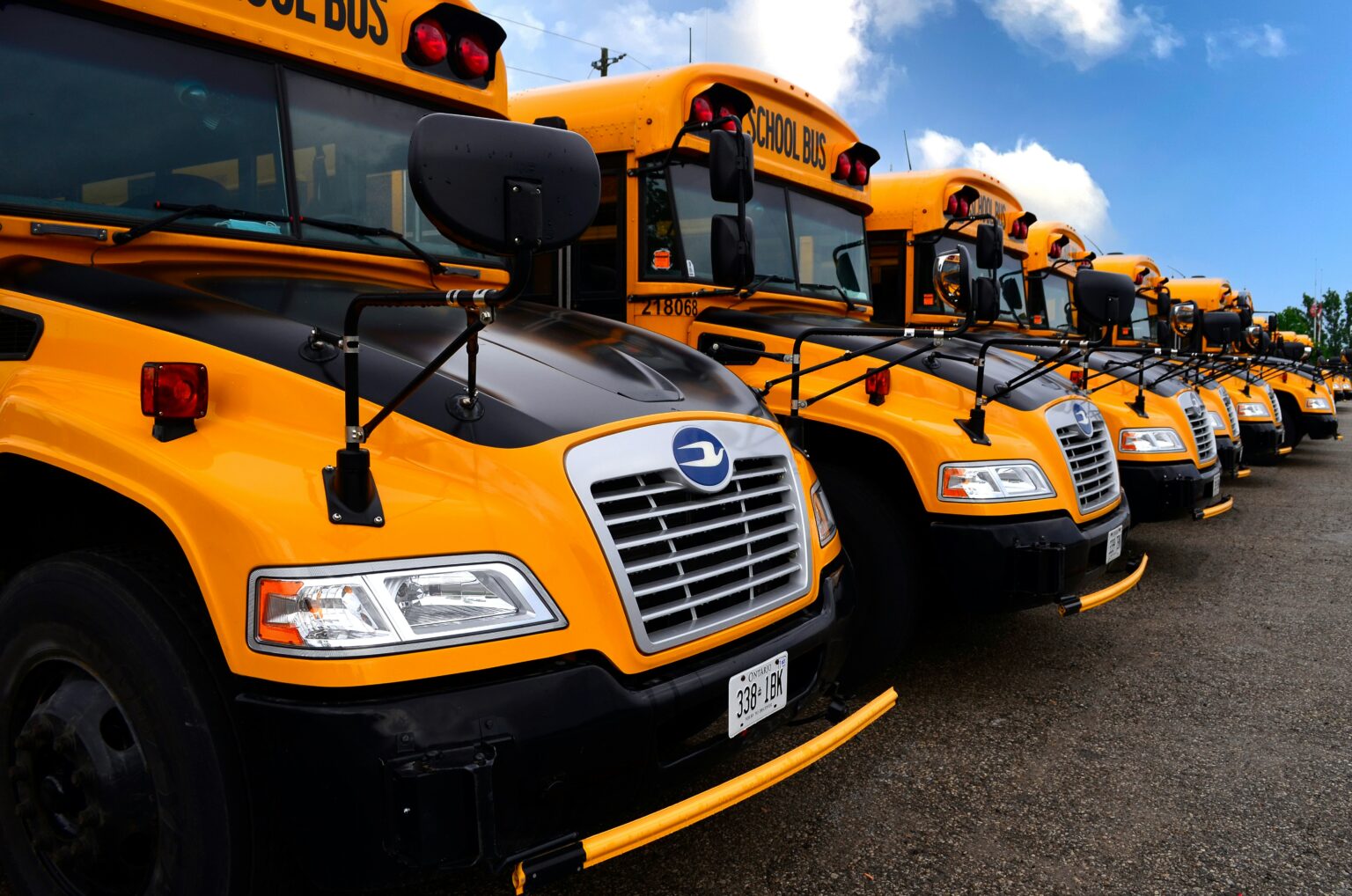

A one-room school used to be close enough to walk to. Now the bus ride to the nearest open school can run past an hour each way, and that hour says something true about where rural Alberta’s population has actually gone.
A decades-old trend, not a new one
Consolidation is not a new story. Rural Alberta has been losing school-age population to the cities for decades, a trend that predates any government now sitting in Edmonton and will outlast this one too. Fewer kids in a district eventually means fewer schools that can stay open and staffed properly, regardless of which party happens to be drawing up the budget in a given year.
What these meetings actually sound like
Anyone who has sat through enough of these community meetings over the years knows the arguments never really change. A school is more than a building. It is where a small town holds its concerts, its elections and its funerals. Close the school and a town loses more than a place to teach arithmetic. It loses one of the last rooms in the county that reliably fills up.
The honest problem underneath the vote
No school board enjoys making this call, and the honest problem underneath it is bigger than any one district’s budget. It is decades of young families choosing the city over the county, one moving truck at a time. The vote to close a school is usually just the paperwork catching up to a demographic shift that started a generation earlier.
A symptom, not the disease
A long bus ride is a symptom. The disease is a rural population that keeps thinning out, and no amount of school board courage fixes that on its own. Real solutions live upstream of the school board table, in whatever keeps a young family choosing to stay in a county rather than move to a suburb with a shorter commute and a fuller school.
If your town’s school was on the chopping block, what would you fight to keep, and what would you accept losing?