


Alberta invests $400M in advanced waterbombers to strengthen wildfire response
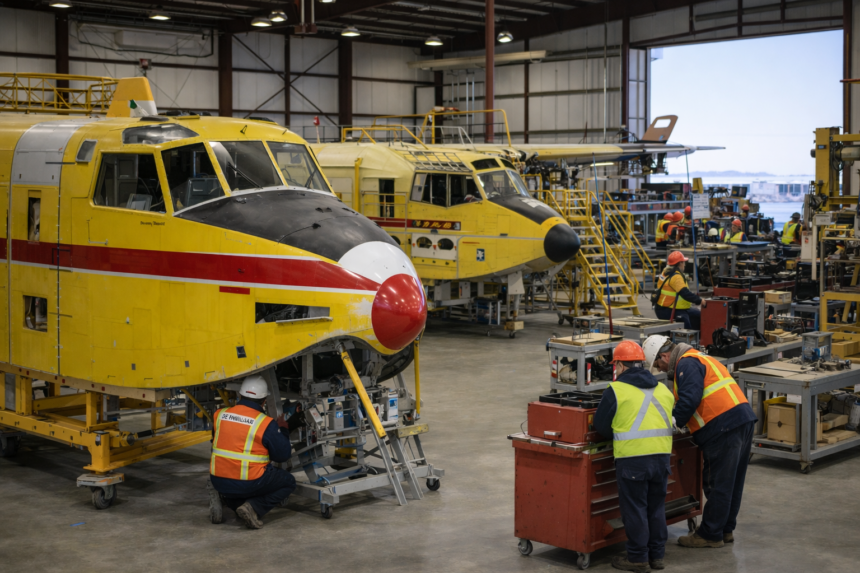
Alberta’s wildfire readiness is changing in a measurable way this week. The provincial government has committed $400 million to purchase five new, Alberta-built waterbombers to bolster the province’s firefighting capacity ahead of the 2026 wildfire season and beyond.
- The details behind the $400 million wildfire investment
- Wildfire response and economic considerations
- Preparedness this year and beyond
- How recent is the wildfire investment news
- What types of aircraft will Alberta acquire
- Why does Alberta need new waterbombers
- When will the new aircraft arrive
- How does this spending tie into Alberta’s broader wildfire strategy
- Related on Alberta Tribune
- Related from Alberta Tribune
This step goes beyond general preparedness spending. It is a concrete expansion of Alberta’s aerial firefighting infrastructure, providing both enhanced response tools and long-term economic returns as the aircraft are manufactured locally.
The details behind the $400 million wildfire investment
On February 17, 2026, the Government of Alberta confirmed a contract with De Havilland Aircraft of Canada to secure five new Canadair DHC-515 waterbombers. These aircraft will be assembled at De Havilland’s Wheatland County facility and are slated for delivery beginning in 2031.
Premier Danielle Smith framed the investment as proactive planning for wildfire risks that have grown more intense in recent years. In 2025 Alberta experienced high wildfire activity, with 1,260 recorded fires, a number well above the province’s ten-year average.
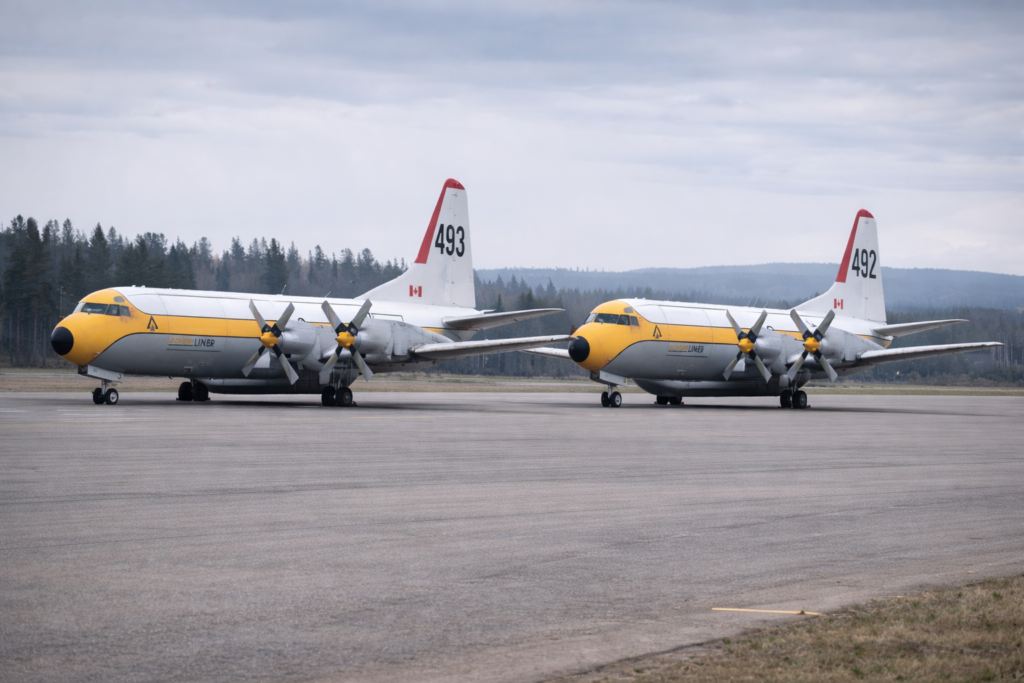
Officials emphasize the improved capability these new aircraft will bring. The DHC-515 fleet will fly up to 15% faster and carry 15% more water than many of Alberta’s current airtankers.
Beyond speed and volume, this purchase represents a nearly 60% increase in total operational drop capacity compared with the existing fleet.
[link to Alberta emergency management coverage]
Wildfire response and economic considerations
In practical terms, stronger aerial capacity means faster intervention when lightning storms ignite new fires and more options to support ground crews working in rugged, remote terrain. Operational readiness is not an abstract concept, it is a tool for protecting lives, communities, and local economies.
This funding also serves a dual purpose. By investing in aircraft built in Alberta, the province supports skilled manufacturing jobs, with officials projecting up to 1,000 new positions tied to the waterbomber contract and related facilities work.
For small towns, rural municipalities, and energy corridors that sit near forested areas, improved wildfire capability can mean fewer disruptions to commerce, transportation, and emergency services. That economic stability matters to farms, trades businesses, and energy producers alike.
[link to Alberta energy coverage]
Preparedness this year and beyond
Alberta’s current wildfire response structure already includes an annual wildfire management budget of roughly $160 million for crews, aircraft contracts, and operational logistics.
The new waterbombers will add robust capacity over the long term. Officials note the first of these new aircraft is expected to arrive several years from now, but the decision to secure the fleet now ensures Alberta is investing in its future resilience rather than reacting to the next crisis.
Wildfire seasons are beginning earlier and stretching longer than they used to, pushing provincial planners to act earlier as well. Strengthened aerial capacity, trained crews, and strategically positioned equipment reduce the time between ignition and containment.
How recent is the wildfire investment news
The Government of Alberta announced the $400 million contract for new waterbombers in mid-February 2026, marking one of the largest provincial investments in modern aerial firefighting capability.
What types of aircraft will Alberta acquire
Alberta is purchasing five Canadair DHC-515 waterbombers, advanced amphibious firefighting aircraft built by De Havilland Canada in Alberta.
Why does Alberta need new waterbombers
The new aircraft offer faster speeds, greater water carrying capacity, and improved operational effectiveness compared with many existing air assets, supporting quicker wildfire response.
When will the new aircraft arrive
The first DHC-515 waterbombers from the new contract are expected to begin arriving in 2031.
How does this spending tie into Alberta’s broader wildfire strategy
This capital investment complements the province’s annual wildfire operations budget and reflects a shift to securing long-term response capacity rather than reacting year by year.
The decision to invest early, with tangible assets on order, reflects a grounded approach to public safety and economic stewardship. In Alberta, where rural communities, industrial infrastructure, and natural landscapes intersect, readiness is an outcome of planning and budgeting, not timing or chance.