


Alberta AI adoption is reshaping the energy economy
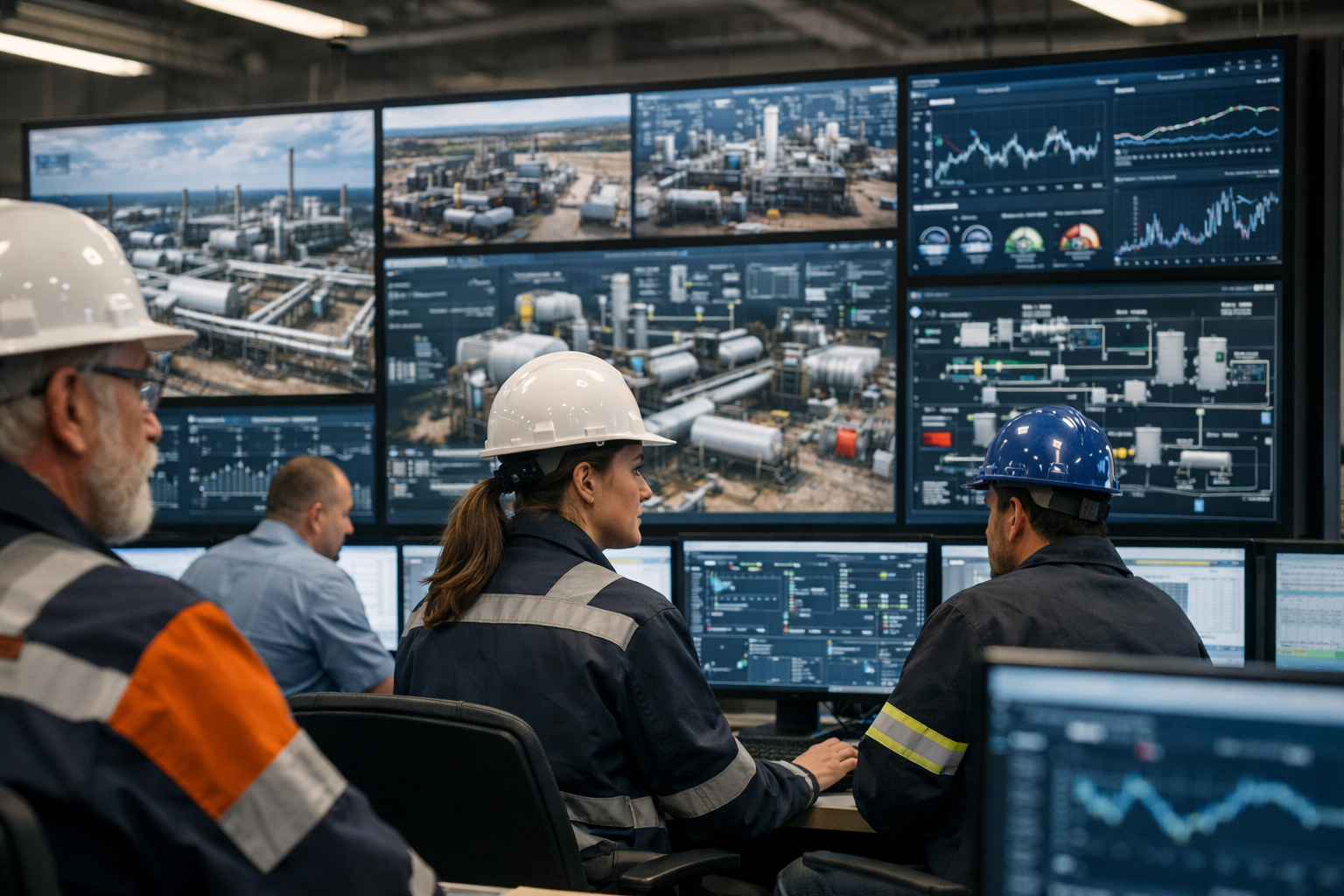
Alberta AI adoption is no longer a speculative conversation about startups in shared office space. It is unfolding inside control rooms, drilling sites, and industrial facilities that have powered the Canadian economy for decades. The province’s established energy sector is integrating predictive analytics, automation, and machine learning into daily operations with a focus on measurable efficiency rather than abstract innovation.
This shift matters for Alberta’s economic future. Public debate often treats artificial intelligence as a disruptive force arriving from outside traditional industries. In Alberta, AI is emerging from within them. Oil sands operators, pipeline companies, and power producers are embedding data systems into infrastructure that already exists. The result is less downtime, improved safety performance, and tighter cost management.
If Canada is asking where industrial productivity growth will come from, it should be looking west.
How is AI being used in Alberta’s energy sector
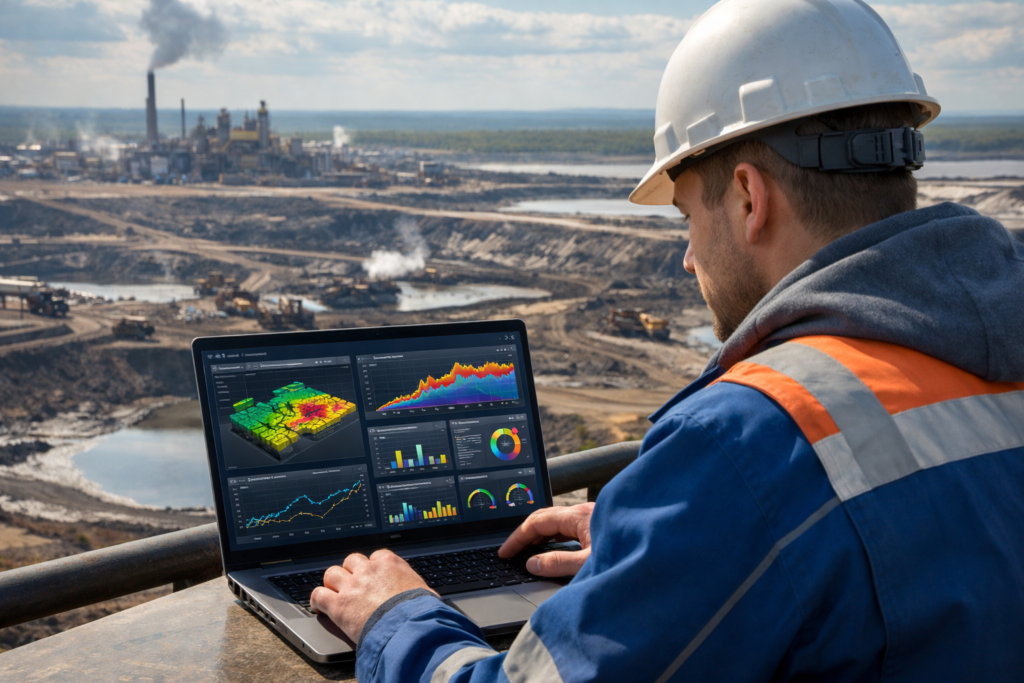
Artificial intelligence in Alberta’s energy sector is largely practical. Companies are using machine learning models to predict equipment failure before it occurs. Sensors installed across facilities feed real-time data into analytics platforms that flag anomalies. Maintenance schedules are adjusted based on predictive insights rather than fixed calendars.
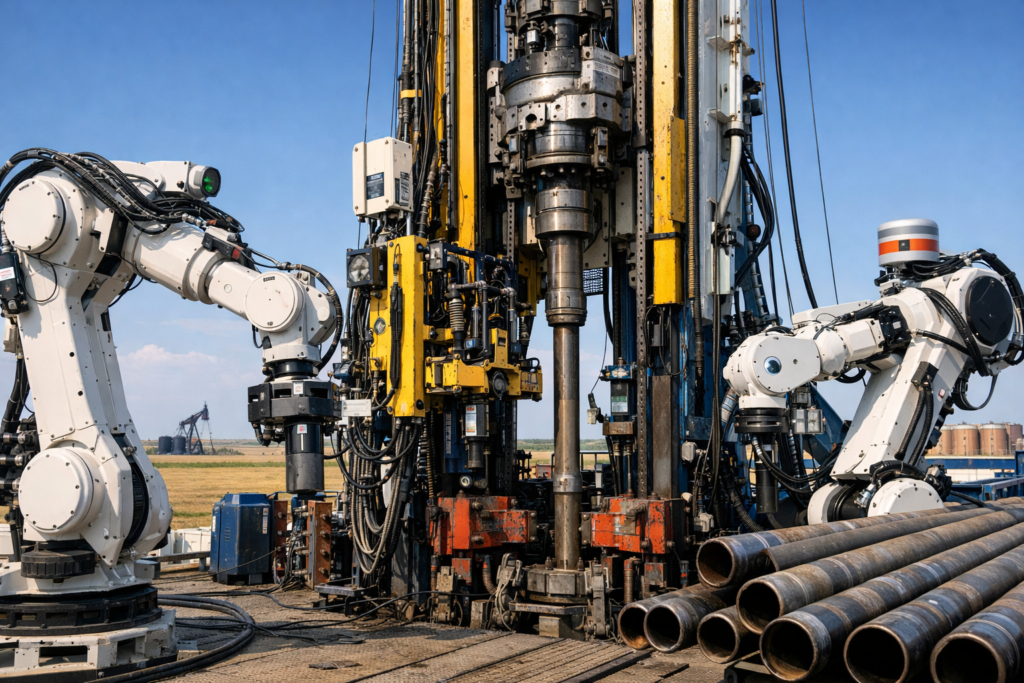
Automation in oil and gas operations is also expanding. Remote monitoring reduces the need for manual inspections in hazardous environments. Drilling optimization software improves well placement and reduces wasted inputs. Electricity producers are using AI to forecast demand and integrate intermittent renewable sources more effectively.
In simple terms, AI is helping Alberta energy companies reduce costs, increase uptime, and improve environmental performance without fundamentally altering their core business model.
This approach reflects the province’s technical workforce. Engineers, geologists, instrumentation specialists, and tradespeople already manage complex systems. Integrating artificial intelligence tools into those systems builds on existing expertise rather than replacing it.
A productivity answer Canada has overlooked
Canada has struggled with lagging productivity growth compared to peer economies. Federal policy discussions often focus on research funding, venture capital, and urban tech ecosystems. These matter. Yet much of the country’s capital stock sits in resource and industrial sectors.
Alberta AI adoption directly addresses productivity in sectors that contribute heavily to exports and GDP. Downtime reduction in a major facility translates into significant economic gains. Even marginal efficiency improvements in large-scale operations can produce measurable provincial revenue effects.
The broader question is whether policymakers fully appreciate this dynamic. Innovation policy is frequently framed around startups and digital platforms. Less attention is paid to industrial AI deployment in established sectors.
That gap risks misaligning public support with actual economic impact.
What does AI adoption mean for Alberta jobs
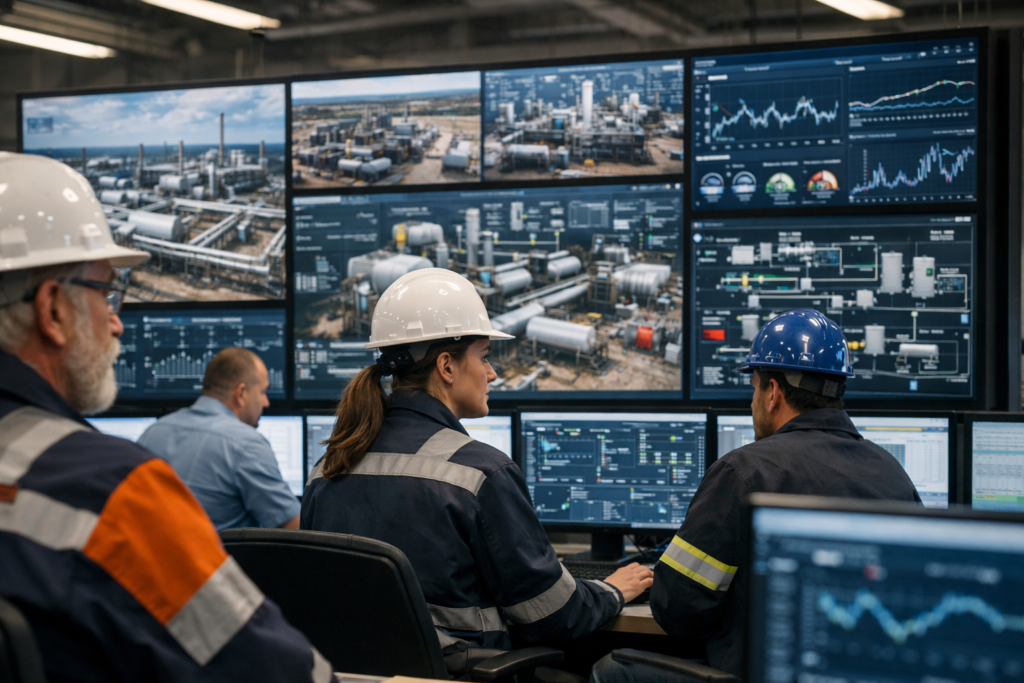
The employment implications are often misunderstood. Fears of widespread displacement overlook the reality that Alberta’s AI adoption is augmenting existing roles. Predictive maintenance systems still require skilled technicians. Data analytics platforms require engineers who understand both algorithms and physical operations.
There will be change. Some routine tasks may diminish. However, the dominant trend appears to be skill elevation rather than wholesale job elimination. Companies report investing in retraining programs to ensure employees can interpret data outputs and manage automated systems.
In the near term, AI in Alberta energy is more likely to increase demand for technically proficient workers than to shrink overall employment.
Concise answer for readers
AI adoption in Alberta’s energy sector primarily improves operational efficiency.
Companies use predictive analytics and automation to reduce downtime, enhance safety, and lower costs. Rather than replacing large numbers of workers, most current applications support skilled employees by improving decision-making and maintenance planning.
Can traditional industries drive AI innovation in Canada
This question cuts to the heart of Alberta’s evolving identity. For years, technology strategy in Canada has emphasized software startups and urban innovation corridors. Alberta offers a different model. Traditional industries can be early adopters of AI because they operate capital-intensive systems that benefit from optimization.
Machine learning in oil sands facilities is not experimental theater. It produces immediate return on investment. That financial incentive accelerates adoption.
If Canada seeks a nationally competitive AI ecosystem, it should consider how industrial users create stable demand for advanced tools. Established sectors can provide scale and real-world testing environments that pure tech firms often lack.
There is also a geopolitical dimension. Global energy markets remain competitive. Producers that achieve lower emissions intensity and higher efficiency through AI will hold structural advantages. Alberta’s ability to integrate data systems into legacy infrastructure may determine its relative competitiveness in the coming decade.
Governance and policy alignment
Government policy has begun to recognize the importance of artificial intelligence, including federal strategies and research investments. Yet coordination between industrial policy and digital policy remains uneven.
Alberta’s provincial government has emphasized economic diversification and technology investment. Aligning those ambitions with practical AI deployment in energy, agriculture, and manufacturing could strengthen long-term resilience.
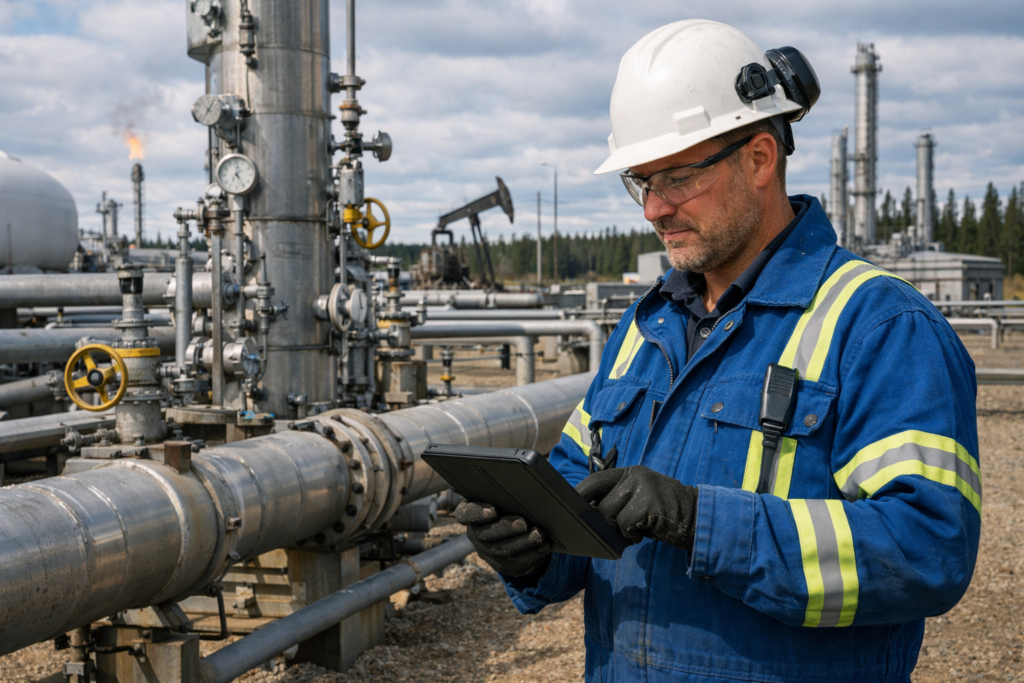
Regulatory clarity also matters. Companies integrating automation into safety-critical environments require predictable standards. Clear frameworks for data governance and cybersecurity will influence adoption speed.
There is an opportunity for cooperative federalism. Ottawa can support AI research and talent pipelines, while provinces such as Alberta facilitate industrial implementation. The alternative is fragmented policy that overlooks sector-specific realities.
Editorial note for internal linking: See our previous coverage on Alberta productivity trends and federal industrial strategy.
Filling the blind spot
National coverage of artificial intelligence often centers on generative tools, creative industries, or high-profile research labs. That focus is understandable but incomplete. Less visible industrial applications receive limited attention despite their economic significance.
Alberta AI adoption demonstrates that innovation does not always arrive through new companies. Sometimes it evolves from established sectors adapting intelligently to competitive pressure.
The province’s existing industries are not relics waiting to be disrupted. They are platforms for technological integration. If policymakers and the public recognize this, debates about diversification may shift. Rather than viewing energy and technology as separate futures, Alberta may find they are increasingly intertwined.
Canada’s economic strategy would benefit from acknowledging that reality.