

A winter of tighter margins
As Alberta moves through February, the provincial budget looms over every serious economic conversation. With West Texas Intermediate crude trading in the low 60 dollar range in recent weeks, revenue projections are no longer as comfortable as they appeared during last year’s stronger pricing environment.
That matters in a province where energy royalties remain a central pillar of public finances.
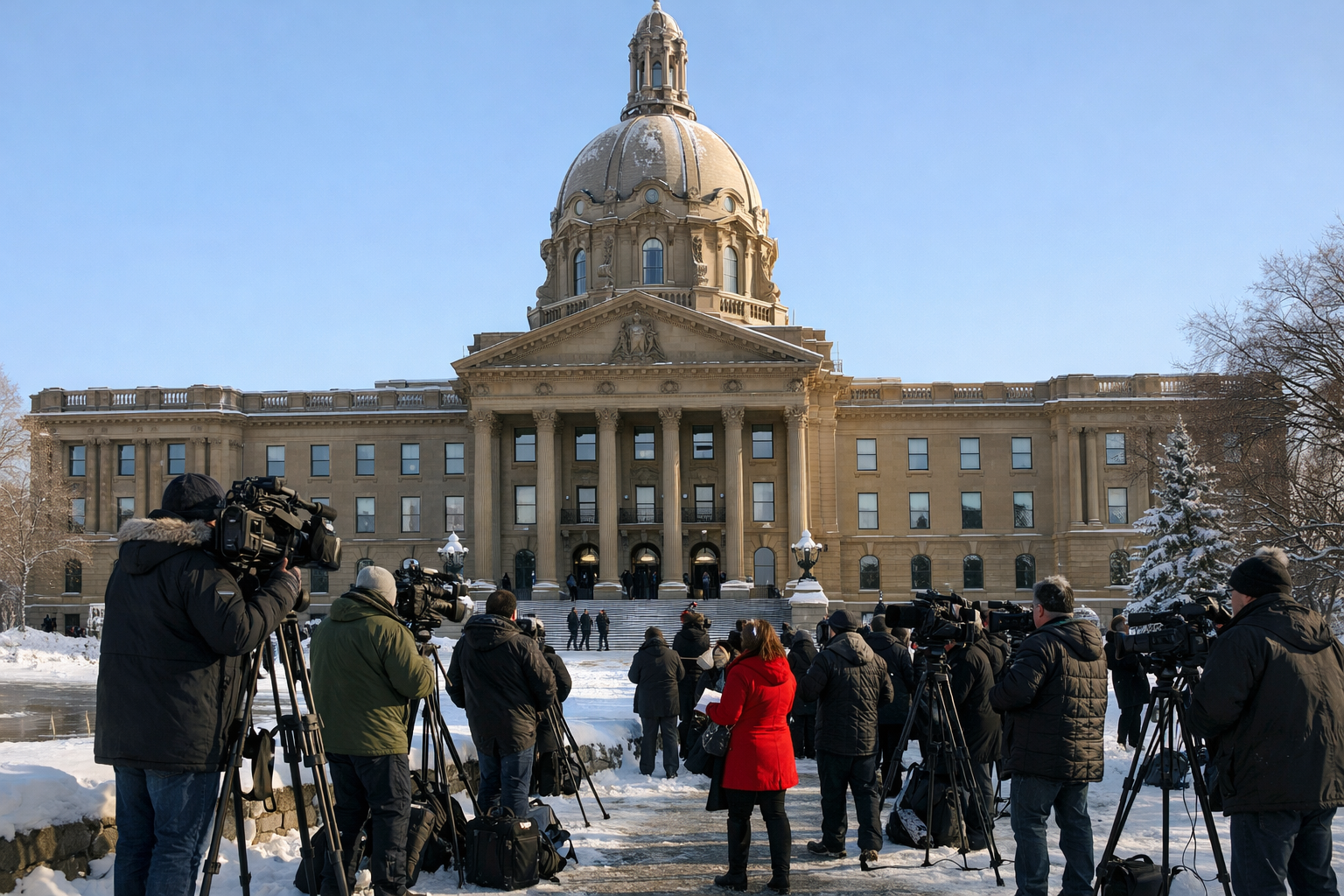
Premier Danielle Smith’s government has already signaled that short term deficits are possible, even likely, depending on final revenue numbers. At the same time, it has ruled out broad based tax increases and deep structural cuts to health or education. That posture places Budget 2026 in a narrow corridor between fiscal prudence and political practicality.
The challenge is not abstract. It is arithmetic.
Oil volatility returns to the foreground
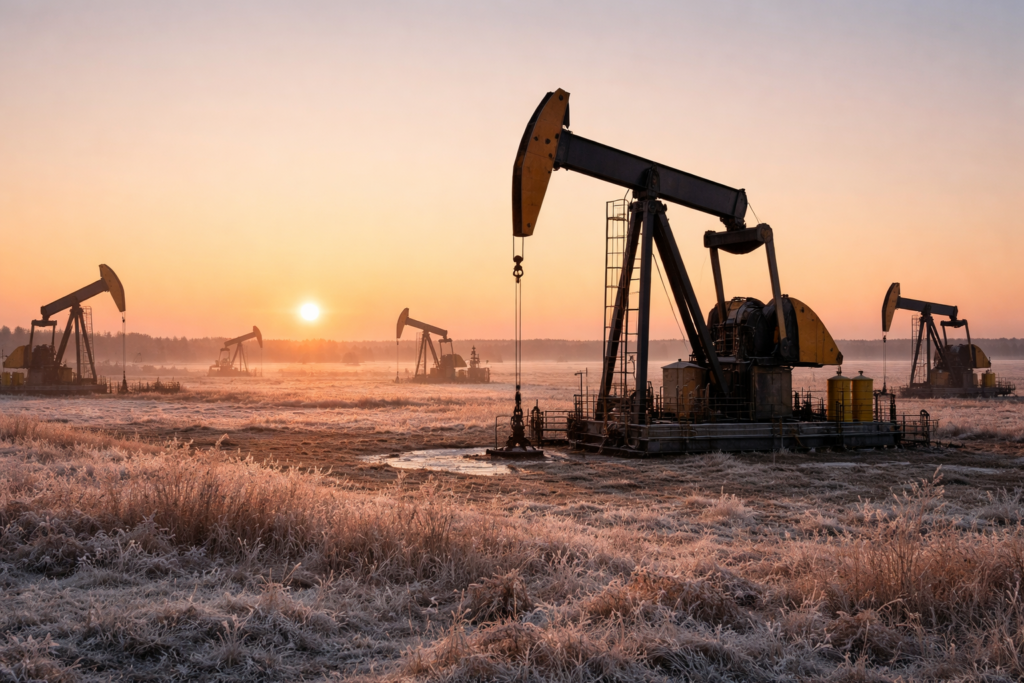
Alberta has experienced this cycle before. When global oil prices dip, royalty revenues tighten, and the provincial treasury feels it quickly. Even modest price swings can shift projected revenues by billions of dollars over the fiscal year.
Production levels remain strong, and Alberta continues to supply a substantial share of North American crude. Yet price, not volume alone, determines the scale of royalty intake. That reality has resurfaced just as public expectations around infrastructure, population growth, and service delivery have intensified.
The province has grown rapidly over the past several years. Interprovincial migration has boosted housing demand and labour markets. Schools, hospitals, and transportation networks are under pressure to expand. That growth is a sign of economic strength, but it is also expensive.
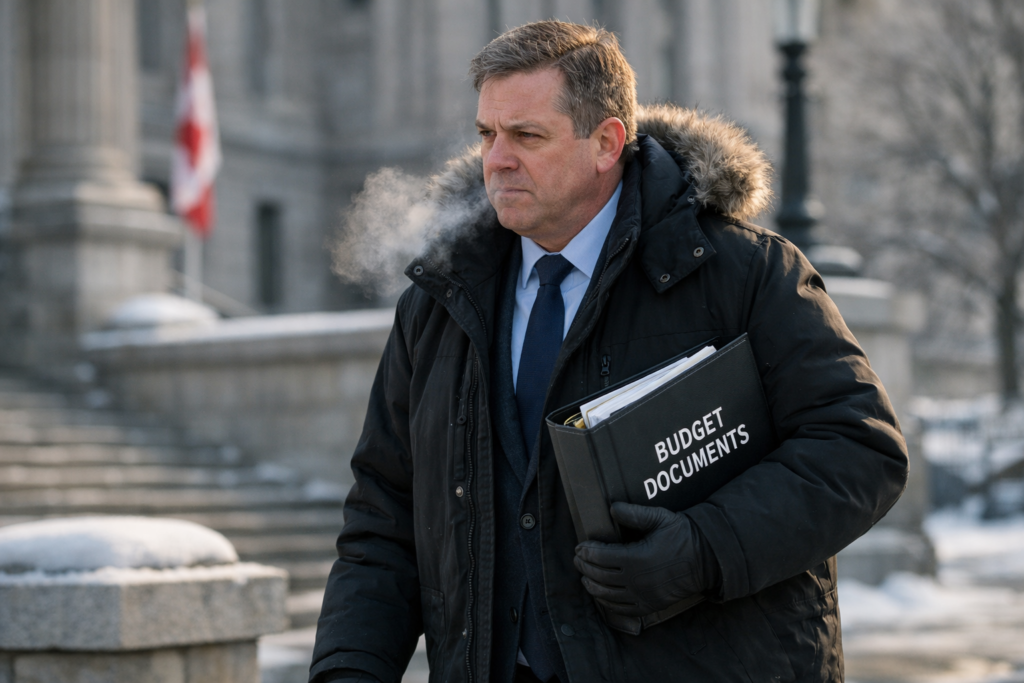
The politics of restraint
The government’s commitment to avoid broad tax hikes reflects a long standing provincial instinct. Alberta has built much of its economic identity around competitive taxation and a business friendly environment. Any signal that this framework is at risk would be closely watched by investors and employers.
At the same time, running deficits is not politically cost free. Voters who remember earlier cycles of fiscal instability will be alert to signs of structural imbalance rather than temporary shortfalls tied to commodity prices.
The key distinction is whether any projected deficit is framed and managed as cyclical, linked to oil price softness, or whether spending growth outpaces realistic long term revenue capacity. The former can be defended as prudent stabilization. The latter would raise deeper concerns about sustainability.
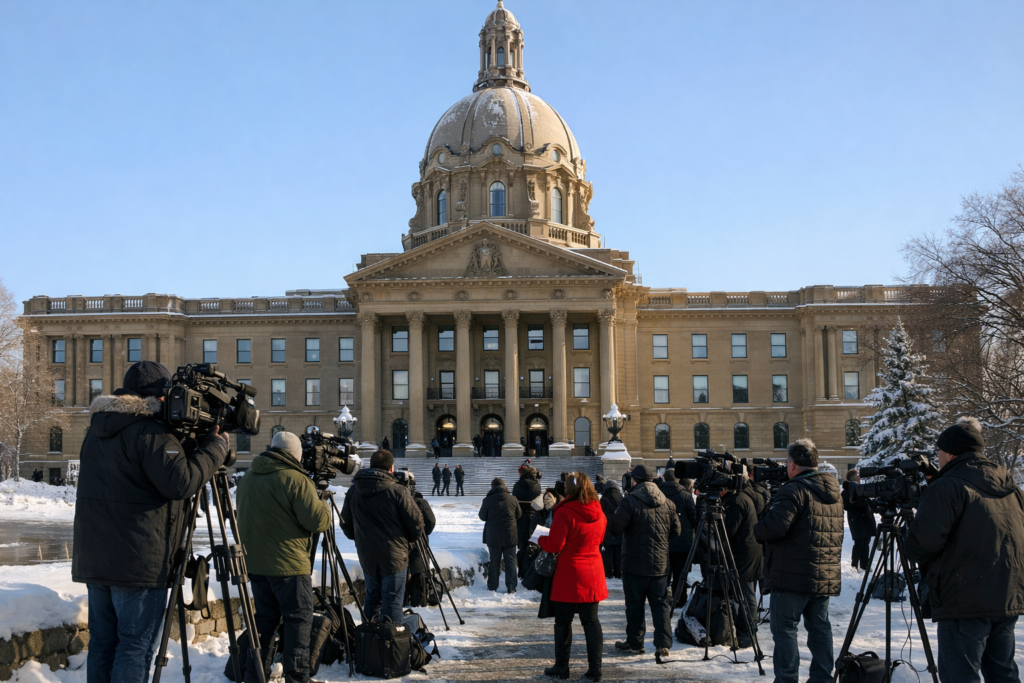
Business confidence on the line
For Alberta’s private sector, clarity is often more valuable than optimism. Companies can plan around moderate deficits if they trust that the broader fiscal framework remains disciplined. What unsettles investment is uncertainty about future tax changes, regulatory shifts, or abrupt policy reversals.
Budget 2026 therefore carries implications beyond government balance sheets. It will signal whether Alberta intends to maintain its reputation for predictable governance during economic headwinds.
Entrepreneurs in Calgary and Edmonton, as well as energy producers in rural regions, are watching for signs that capital spending will be prioritized carefully. Infrastructure that supports trade corridors, industrial land development, and energy projects can strengthen long term growth. Spending untethered from measurable outcomes would do the opposite.

The long view
There is a temptation in every budget season to focus narrowly on the next fiscal year. Yet Alberta’s economic cycles demand a longer horizon. Commodity dependent jurisdictions require reserves during boom periods and discipline during softer phases.
Recent years of stronger revenues provided an opportunity to reduce debt and build fiscal room. The extent to which that room now absorbs price volatility will be one of the quiet but important stories in this budget.
The province does not face crisis conditions. Employment remains comparatively strong. Population growth continues. Major capital projects are underway. But stability should not be mistaken for immunity.
The prudent course lies between complacency and alarm. Albertans expect their government to acknowledge revenue risks honestly, avoid unnecessary tax burdens, and protect core services without expanding commitments that cannot be sustained when oil prices fluctuate.
Budget 2026 is unlikely to produce dramatic headlines. Its significance will lie instead in tone and structure. A credible plan that recognizes volatility while reinforcing Alberta’s competitive position would strengthen confidence at a time when global economic signals are mixed.
Fiscal discipline is not ideological theatre in this province. It is lived experience. February’s budget will reveal whether that experience still guides decision making at the centre of government.