

Alberta tabled its 2026 provincial budget on February 26, projecting a multibillion-dollar deficit amid softer oil prices and continued population growth.
The government confirmed the province will run a deficit this fiscal year, reflecting lower resource revenue and increased pressure on core services.
Finance Minister Nate Horner stated there will be no tax increases in Budget 2026. Instead, the government is increasing spending in key areas while pledging overall restraint.
Education funding is set to reach $10.8 billion, representing a significant increase year over year. Physician funding will rise to approximately $7.7 billion, reflecting a major boost in health-care investment.
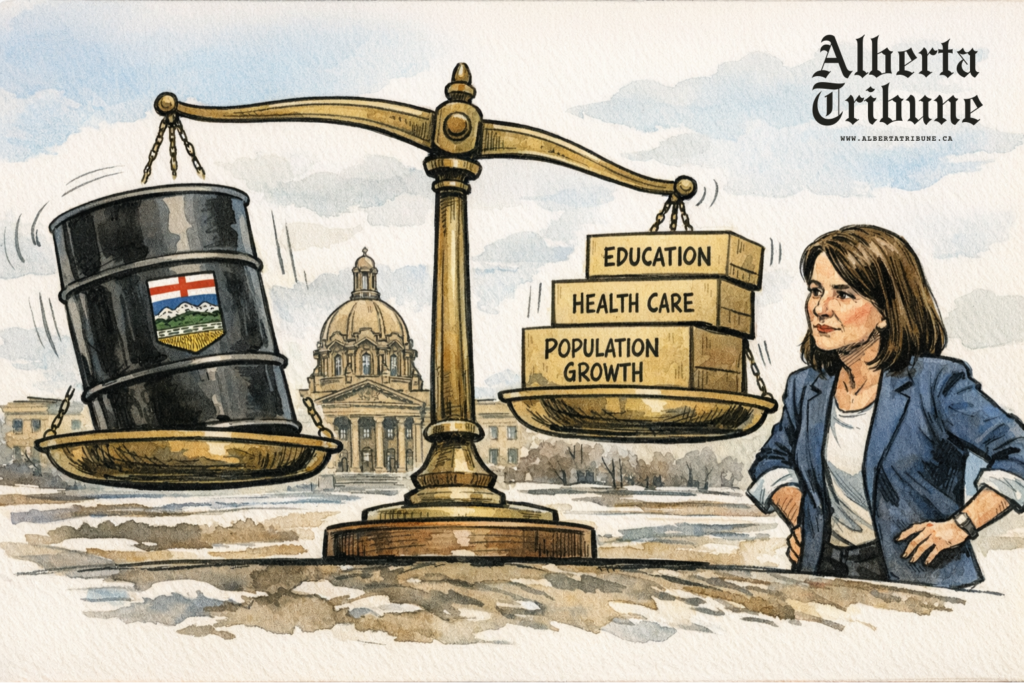
Alberta continues to grow rapidly. That growth brings real demands on schools, hospitals, and infrastructure. At the same time, oil prices remain below the levels seen in previous surplus years, limiting provincial revenue.
This is the Alberta fiscal reality.
No tax hikes, but discipline will matter
Premier Danielle Smith has emphasized spending control alongside frontline investment. The government’s approach appears focused on protecting core services while avoiding new taxes on families and businesses.
For small business owners, tradespeople, and working Albertans, stability matters. Alberta’s competitive tax environment has long been one of its economic strengths.
But deficits are not abstract. If spending growth outpaces revenue for multiple cycles, pressure builds quickly.
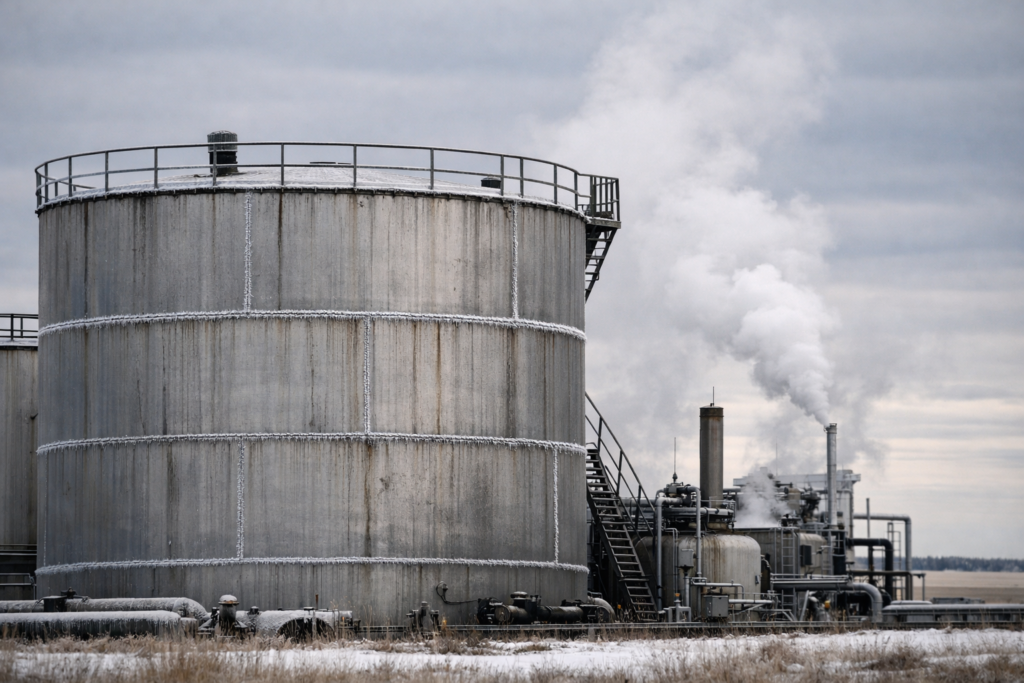
Oil volatility remains central
Alberta’s budget remains sensitive to global commodity prices. When oil revenues soften, the provincial treasury feels it immediately.
The province cannot control global markets. It can control fiscal discipline, regulatory certainty, and long-term economic positioning.
Whether through expanded energy infrastructure, value-added resource development, or emerging sectors like AI data infrastructure, Alberta’s long-term stability depends on diversifying while protecting its core strengths.
Budget 2026 is not ideological.
It is arithmetic.
Oil prices are lower. Alberta is growing. The decisions made this year will shape how the province manages both.