

Alberta’s crop is having a better year than most people outside the countryside realize, and the number underneath that statement is bigger than a passing headline.
A Better Year Than Most People Realize
The province’s latest crop report puts dryland major crop yields on track for 20.4% above the five year average and 9.6% above the ten year average. Provincially, 62.3% of crops are rated good to excellent, just ahead of the ten year mark of 60.4%. That is not a marginal beat. It is a season running meaningfully ahead of what the historical record would predict, in a year when a lot of the national economic conversation has focused on trade fights and slowing growth elsewhere.
Pasture conditions are tracking well too, rated 67% good to excellent province-wide, which matters for the cattle side of the industry as much as the grain side. A strong pasture rating this deep into summer means less supplemental feeding heading into fall, which is real money staying in a rancher’s pocket rather than going out the gate for hay somebody else grew.
None of this shows up as a headline the way a tariff announcement or a rate decision does. Grain and pasture numbers do not move markets the same day they are published. But this is the kind of number that shows up six months later in export receipts, in farm equipment sales, in small town economies across the south and central belt having a decent year instead of a lean one.
The Regional Divide Behind The Provincial Number
The provincial average is doing some flattering work here, because the story underneath it splits hard by region. The south is carrying the number, with close to 79% of crops rated good to excellent. Central Alberta sits at 76%. Both regions are running well ahead of their long-run benchmarks.
Head north and the picture changes fast. The North West sits at 36.8% good to excellent and the North East at 47.4%, both well off the provincial pace. Those regions have spent the season dealing with the opposite problem from the south, excess moisture and rain that keeps interrupting fieldwork rather than a shortage of it. A province-wide average can hide two completely different growing seasons happening at the same time, and this year it is.
The Moisture Problem Sitting Under The Good News
The number worth watching now is not the yield projection. It is the moisture trend feeding it. Good to excellent surface moisture ratings fell 14 percentage points in a single week, down to 54% province-wide, and subsurface moisture dropped 13 points to 60% over the same stretch. That is a fast slide, and it is happening in the south and central regions carrying the strongest yield numbers.
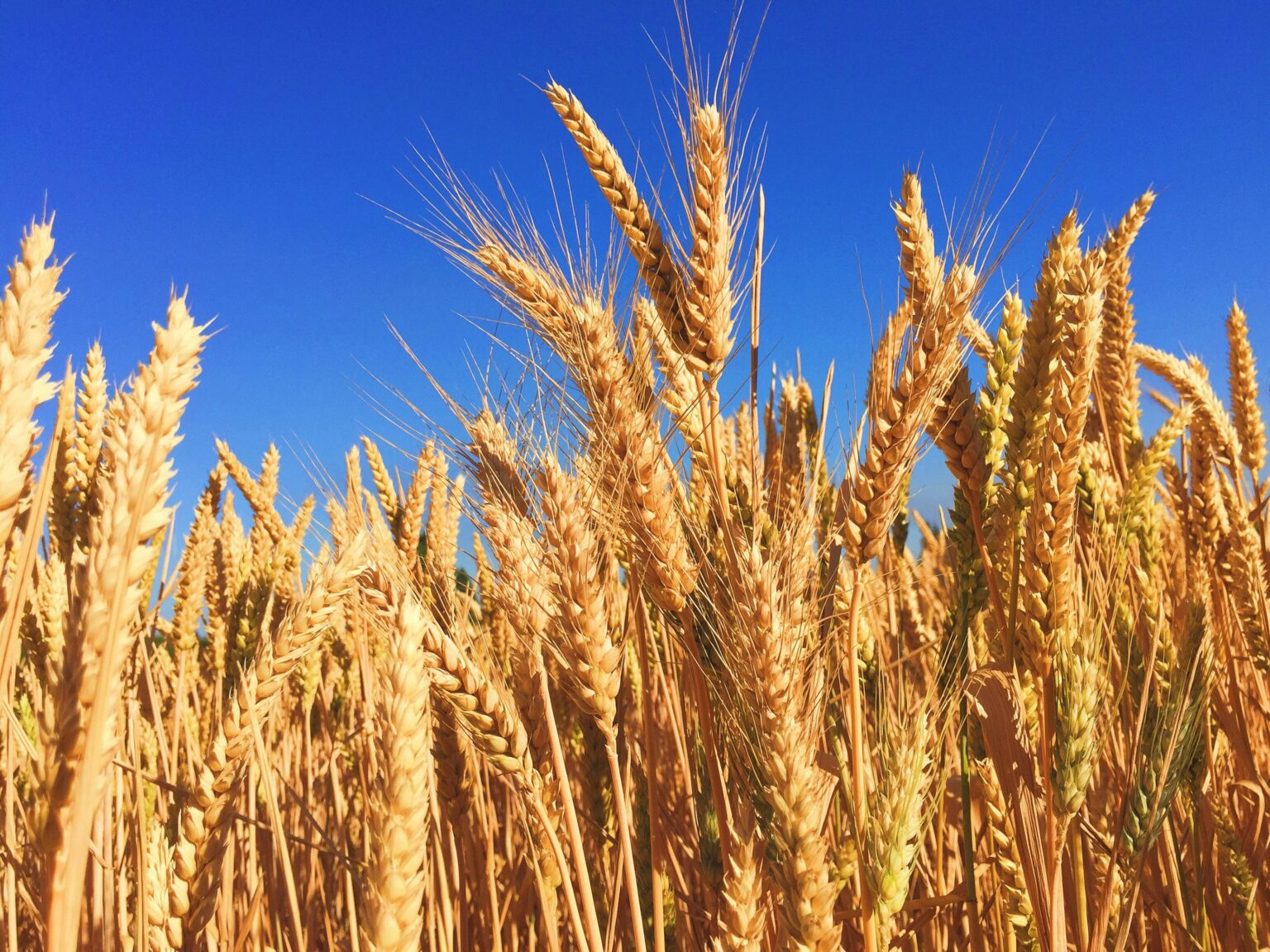
Grain fill, the stage where the kernel actually packs on weight and turns a decent-looking field into a strong bushel count, is happening right now, in August heat, in soil that is drying out underneath the crop standing on top of it. A field can look good to excellent in a windshield survey and still be losing yield potential by the day if the moisture keeps sliding through the fill window.
What August Decides
This is the stretch of the calendar where a season gets made or gets taken back. A couple of good rain events across the south and central belt over the next few weeks likely locks in a strong year, one of the better ones on record against both the five and ten year benchmarks. Continued dry heat through grain fill trims the number the crop report is currently showing, and trims it fast, because moisture stress late in fill costs bushels in a way that is hard to recover from once it happens.
Alberta ranchers and grain producers alike are watching the same sky right now for different reasons, and both know how much a single dry week in August can take off a number that looked locked in during July.
Alberta grows a meaningful share of what the rest of the country eats and a real share of what the world buys, and the whole thing still turns on a couple of weeks of weather every single year, in a way spreadsheets and futures markets never fully capture until the combines are actually in the field. That is worth remembering the next time farming gets talked about like a line item in a national accounting exercise instead of an industry that still answers to the sky.
With the south and central belt carrying this year’s number, does a dry August still turn a strong year into a story about what almost happened?