

Prime Minister Mark Carney picked Toronto on June 4 to unveil AI for All, the federal government’s five-year run at artificial intelligence policy. The package promises north of $2 billion, sovereign compute scaling to 850 MW before the decade closes, a public supercomputer, and 250,000 jobs by 2031.
Ambition is welcome. Canada needs compute, talent and investment, and a federal government finally treating AI infrastructure as economic policy is better than one treating it as a research grant. But for anyone reading from Alberta, the announcement had a familiar shape. It described, as a future aspiration, things this province started building two years ago.
What Alberta Already Has Running
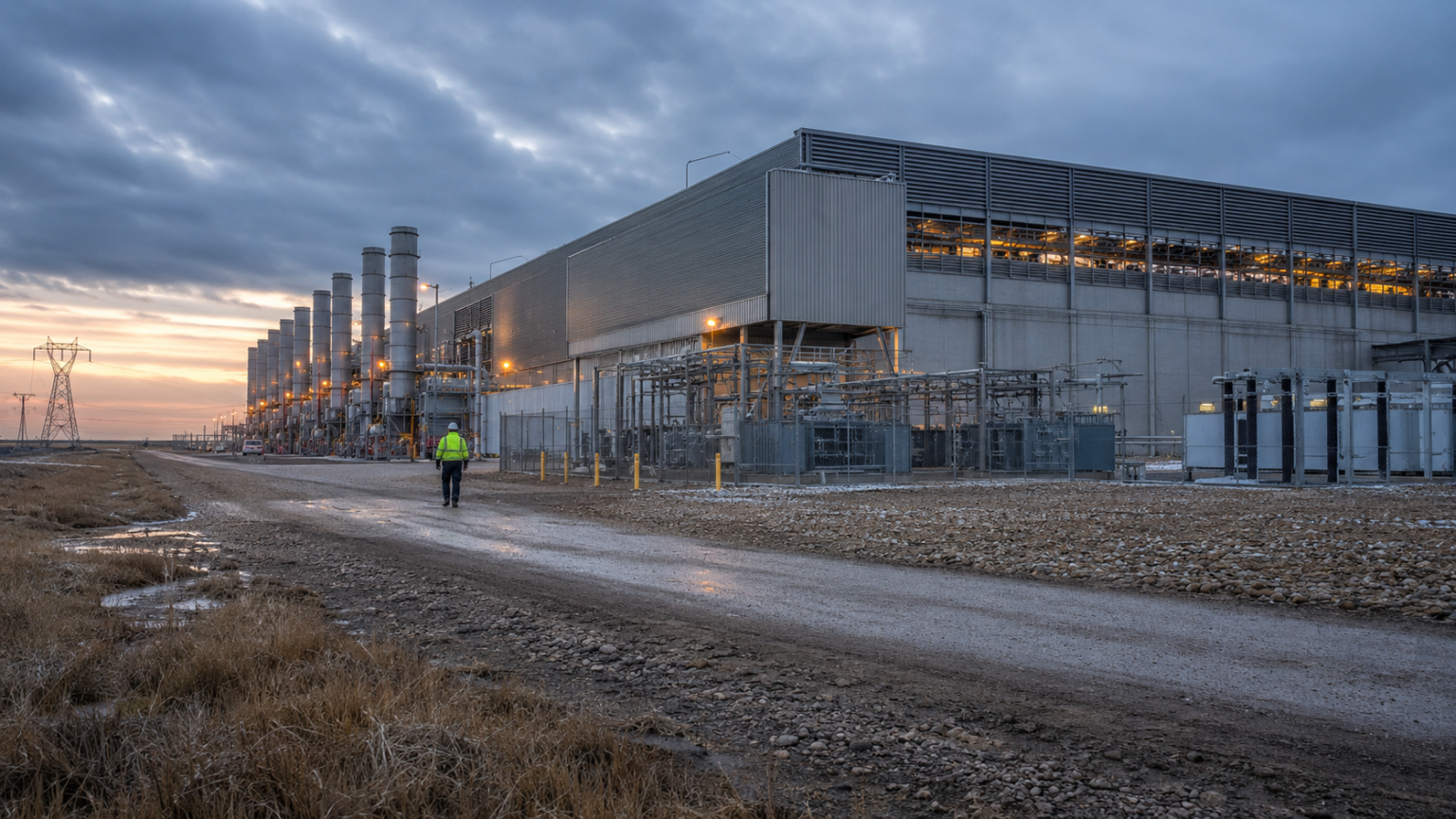
Alberta published its AI Data Centre Strategy back in December 2024, then did the unglamorous follow-through. Legislation passed. A levy design landed. Permits started moving. Over 30 data centre applications currently sit before the provincial utilities regulator, representing tens of billions of dollars in proposed private investment, drawn here by abundant natural gas, cold air, available land and a regulator that makes applicants clear a real bar.
None of that required a national summit. It required the unglamorous work of writing rules investors can price. Capital responded the way capital always responds to predictability. It showed up early and in size.
A National Plan That Skips the Nation’s Builder
Here is the detail that should bother Albertans. The federal strategy speaks at length about sovereign infrastructure, yet not one Alberta project appears in it by name. The jurisdiction poised to host the bulk of Canada’s near-term AI power buildout, where the gas turbines, transmission upgrades and server halls are actually being proposed, appears in the document mostly by implication.
That omission is not just discourteous. It is strategically strange. Sovereign compute runs on energy, and Canada’s energy advantage is concentrated in one province. Any honest national AI plan would put Alberta at its centre, the way American plans put Texas and Virginia at theirs.
Announcing Versus Building
The federal plan now has to clear the gap every Ottawa strategy faces, the distance between the press release and the procurement. An 850 megawatt sovereign target by 2030 means siting decisions, power contracts and regulatory approvals on a schedule the federal government has rarely met on any infrastructure file. Alberta’s queue, by contrast, is made of named projects with named proponents spending their own money.
There is a productive version of this story. Ottawa brings research funding, adoption programs and international agreements. Alberta brings power, land, speed and an operating regulatory machine. If the federal strategy treats the province as its delivery partner rather than an afterthought, the national targets become achievable almost by default.
One government drafts ambitions while one province pours concrete, and the gap between those two postures is sitting in plain view. One published a plan this month. The other published one in 2024 and has been approving projects ever since.
Should the federal AI build run through Alberta’s existing framework, or will Ottawa try to reinvent it? Tell us below.