


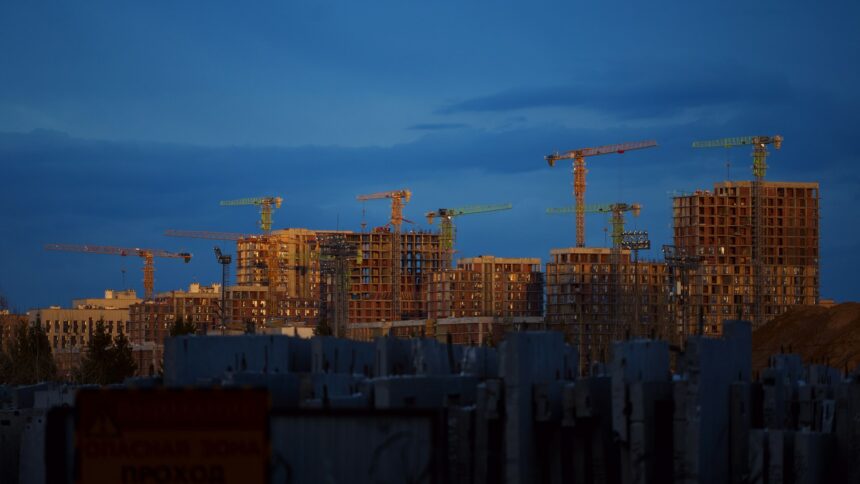
Ontario municipalities are about to cut development charges by half, with federal help behind them. Calgary charges $93,000 a unit and was not part of the conversation.
The plan was announced March 30. Development charges reduced by up to 50% in Ontario municipalities that between them hold 80% of that province’s population, held down for three years, with the federal government reported to be supporting the reduction. Applause from the building industry, which has been asking somebody to do this for a very long time.
Good for Ontario. Genuinely. Anyone who has watched a charge schedule climb for twenty five years should be pleased to see one finally go the other direction.
Now check what came west out of the same announcement. Nothing.
What it costs to be allowed to build in Calgary
The Canadian Home Builders’ Association benchmarked municipal charges city by city across the country and published the results. Calgary came in at $93,000 per low rise unit. The national average is $82,600. Edmonton sits at $36,000.
Read those three numbers together and let them sit for a second.
Two cities, same province, same provincial framework, same building code, same trades driving back and forth between them. One charges more than two and a half times what the other does before a shovel touches dirt. Calgary is running better than $10,000 above the national average. Edmonton is running at less than half of it.
That gap is not federal. It is not provincial either. Somebody at Calgary city hall set that number, and somebody at Calgary city hall can unset it. The $57,000 difference between those two cities is a decision, made by people who stand for election every four years and are rarely asked about it.
Ninety three thousand dollars is a down payment. It is the whole down payment, on a house, gone before the framing crew shows up, in a Calgary housing market where affordability is already stretched. And it does not appear on any statement the buyer ever sees, because it went to the city long before the listing existed.
A 700% increase and nobody voted on it
Kevin Lee, chief executive of the association, says development charges “have risen more than 700% over the past 25 years.”
Twenty five years. A 700% climb. Over a stretch of time in which no municipality had to hold a referendum on it, campaign on it, or defend it to a single voter at a door. The schedule got amended at a council meeting on a Tuesday afternoon, the cost was folded into the price of a house, and the person who eventually paid it was still in high school when the increases started.
Stack every layer of government charge together and the total tax burden on new housing reaches 30% of the home price in some communities. Not 30% of the builder’s margin. Of the price. Close to a third of what a family pays for a house is government cost, sitting inside the number they will be paying interest on for the next twenty five years.
Nobody campaigned on a third. It accumulated.
Voters already figured this out
Polling done for the association in December found 51% of Canadians say development taxes place an excessive cost burden on new home buyers. That survey reached 3,000 people between December 1 and 8, with a margin of error of 1.79%, 19 times out of 20.
A majority. On a subject almost nobody has ever had explained to them properly, involving a fee most home buyers could not name and will never see itemized. People worked out on their own that something was being loaded into the price of a house.
One province got a deal
Here is the part that grates.
Ontario municipalities covering a reported 80% of that province’s population are set to get federal support to cut their charges in half for three years. Calgary, charging more than $10,000 above the national average per unit, gets a spot in a benchmarking table. Edmonton, which has kept its charges at a level most of the country cannot match, gets no recognition for it either.
None of this is Ontario’s doing. Ontario asked and Ontario got. Good on them. The pattern is federal, and Albertans have seen the shape of it before, on file after file, right down to Alberta’s carbon price. The deals get cut where the seats are.
Two things need to happen and neither one requires anybody’s permission. Calgary can look at $93,000 against Edmonton’s $36,000 and explain the difference or close it. And Alberta can ask for the same arrangement Ontario just received, in writing, publicly, so the answer is on the record.
Development charges rose 700% while everybody was looking somewhere else. Ontario just got half of that back. Alberta got a table with its name in the wrong column.
Related from Alberta Tribune: The Next Building Code Adds Up To $40,000 Per Home